Introduction
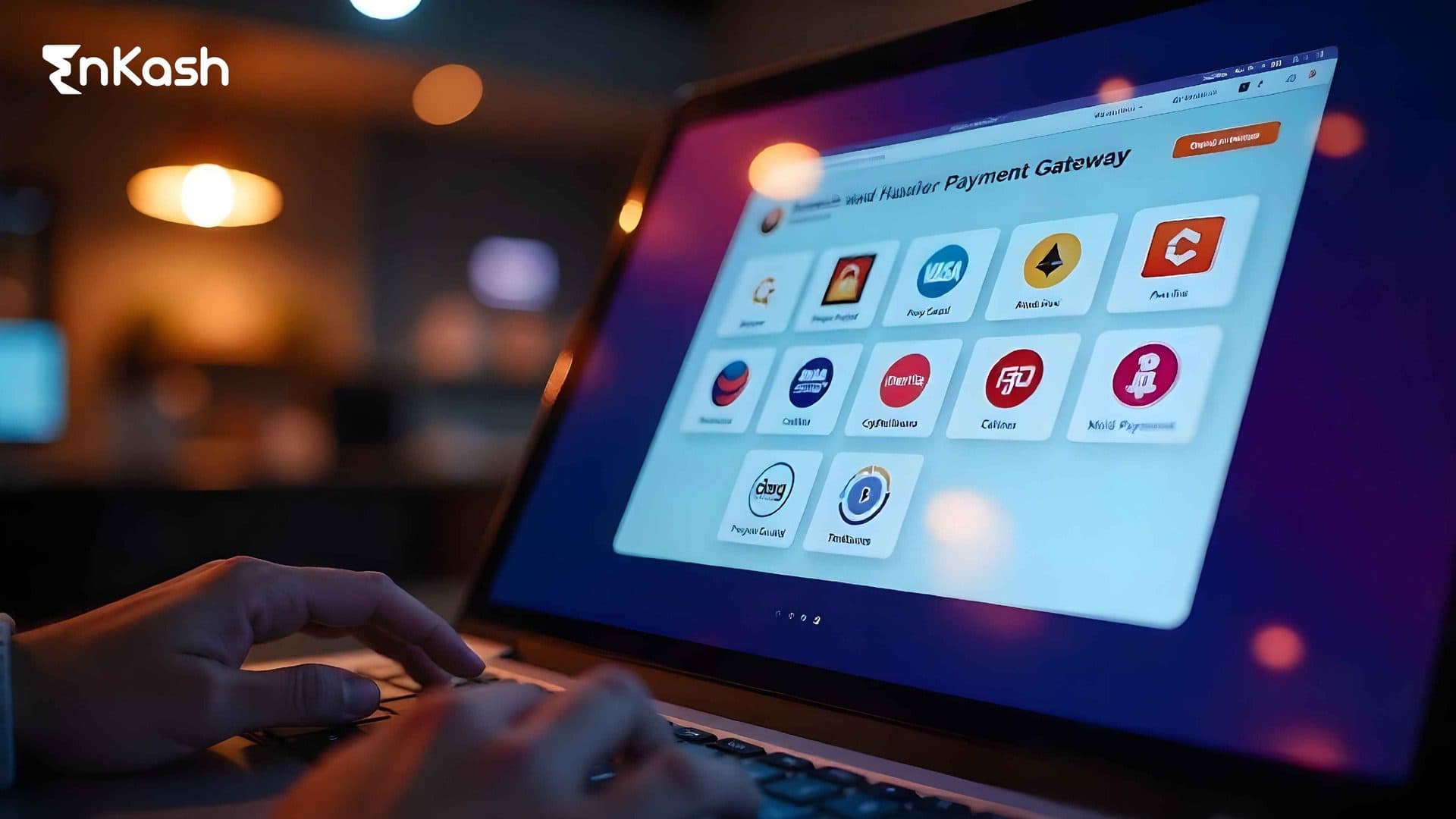
As payment methods become more digital, payment gateways play a critical role. It streamlines the connection between businesses and customers, making sure that every payment is authenticated, encrypted, and executed without a hitch. Payment gateways enable the movement of funds with ease and confidence, making them vital when shopping, subscribing, or donating online.
Even though businesses have digitized, selecting a payment gateway is a fundamental decision that impacts the customer experience. It also impacts the workflow efficiency, legal compliance, and overall growth of the organization.
This guide seeks to highlight payment gateways, discussing various types and their operational frameworks, relevant users, merits, and demerits, along with suitable methodologies to select the most appropriate gateway.
What is a Payment Gateway?
A payment gateway is a secure technology system that authorizes and processes online payments. When a customer enters card, UPI, or Digital wallet details on a website or app, the gateway encrypts this information, routes it through the payment processor or card network to the issuing bank for verification, and returns an approval or decline message. to the issuing bank for verification, and returns an approval or decline message.
For example, when a customer pays for an order on an e-commerce website, the payment gateway manages the entire flow: data encryption, bank verification, and confirmation of the transaction. This ensures that sensitive information is protected and the payment is completed safely.
Read more about Payment Gateways
Key Functions of a Payment Gateway:
- Encrypts sensitive payment information.
- Authorizes transactions by communicating with the customer’s issuing bank.
- Relays approval or decline messages to merchants.
- Facilitates refunds and recurring payments.
In short, a payment gateway is the secure technology that makes digital payments possible.
Types of Payment Gateways
Not all payment gateways are created equal, and there is no one-size-fits-all solution. There are 5 widely used payment gateway models. Each offers a unique set of features and functionalities, catering to different business needs.
1. Hosted Payment Gateways:
These gateways are the most user-friendly option, often referred to as “redirect gateways.” These gateways provide a pre-built checkout page hosted on the provider’s server. You simply integrate their code into your website or app, and they handle the entire checkout process. This eliminates the need for you to manage complex security protocols yourself. However, you relinquish some control over the customer experience as the checkout page design belongs to the gateway provider.
How does it work?
When a customer wants to make a purchase from your website/app, they simply add the product to their cart and click on “Proceed to checkout”. The customer reaches checkout and clicks on “Buy Now”, then they’re redirected to the payment gateway’s secure server to enter their payment information. Once the payment is processed, they are redirected back to your website.
Who can use it?
Hosted payment gateways are ideal for startups, small businesses, and businesses with limited technical expertise or those prioritizing ease of setup.
Examples:
- PayPal – The most widely used international payment gateway.
- Razorpay - A popular payment gateway in India that accepts various payment modes.
- PayU– Known for ease of use and security.
Pros:
- Easy to set up.
- Secure (provider handles PCI compliance).
- No need for advanced technical knowledge.
Cons:
- Less control over checkout design.
- Customers may abandon the purchase during redirection.
2. Self-Hosted Payment Gateways:
As the name suggests, with self-hosted gateways, you have complete control over the checkout process. Offering a higher degree of customization, self-hosted gateways integrate directly with your website or app. This allows you to design a checkout experience that aligns seamlessly with your brand identity. However, the responsibility for security and PCI compliance falls on your shoulders. This requires a dedicated technical team and ongoing maintenance.
Who can use them? Suitable for large businesses with the resources to manage complex security infrastructure.
How does it work?
In self-hosted setups, the checkout and payment form are hosted on your website or app. Payment data is then securely submitted to the gateway or processor for authorisation and settlement through your acquirer.. When a customer proceeds to checkout and clicks on “Buy Now”, you handle everything from collecting their payment information to sending it to the payment processor.
Who can use it?
Suitable for large businesses with the resources or in-house IT teams to manage complex security infrastructure and a high volume of transactions.
Examples:
Enterprise checkout hosted on the merchant site with direct integration to a gateway/processor (common for large e-commerce and travel platforms). In-house payment systems used by large enterprises, typically integrated with one or more processors and acquirers
Pros:
- Complete control over checkout flow and branding.
- Customizable features.
Cons:
- PCI DSS compliance is your responsibility.
- Requires significant technical expertise and ongoing security monitoring.
3. API-Hosted Payment Gateways:
These gateways offer an Application Programming Interface (API) that allows you to integrate payment functionality directly into your website or app. This hybrid approach offers the best of both worlds. You can maintain control over the checkout experience while leveraging the provider’s secure processing infrastructure. This is a popular choice for businesses that want a customized checkout experience without the full burden of self-hosting, but similar to self-hosted solutions, it also necessitates significant technical expertise for setup and maintenance.
How does it work?
API-hosted gateways allow businesses to send payment data directly from their front end to the gateway provider’s backend for processing, without redirection. Once processed, the gateway sends the transaction status back to your platform, allowing you to confirm the purchase with the customer.
Who can use it?
Businesses with strong in-house development teams that want complete control and a highly customized checkout experience.
Examples:
- Stripe– For worldwide businesses and developers.
- CCAvenue- Highly customizable with multiple payment options.
- Instamojo– Ideal for sellers dealing in digital products and entrepreneurs.
Pros:
- Full control of UI/UX.
- Supports advanced customization and automation.
- Combines flexibility with external security.
Cons:
- Requires skilled developers.
- Maintenance is ongoing.
4. Local Bank Integration Gateways:
These gateways connect directly to specific regional or local banks, offering potentially lower fees and faster transaction processing within a particular geographic area, but may require additional setup with your bank. Also, they may not offer the same level of global reach as other gateway options.
How does it work?
When a payment is initiated by the customer, it is handled by securely transferring the customer’s payment information to the relevant local bank for processing. The bank then verifies the transaction and sends the results back to the business.
Who can use it?
Businesses that operate primarily in a specific region or country, focus on domestic sales, and prioritize lower fees.
Examples:
- HDFC Payment Gateway– Built for secure transactions for Indian businesses.
- ICICI Payment Gateway– Advanced fraud protection and transaction tracking.
Pros:
- Lower fees compared to global providers.
- Faster local settlements.
Cons:
- Limited global reach.
- More setup and approvals are required.
5. Cryptocurrency Payment Gateways
Cryptocurrency payment gateways are a mechanism for enabling transactions in several digital currencies, including Bitcoin, Ethereum, and Litecoin. They enable businesses to receive payments completely detached from traditional banking.
Features:
- Enables payment processes in decentralized digital currencies.
- Transaction fees can be lower than traditional gateways, but may vary by platform and may be affected by price volatility or higher gas fees, depending on the blockchain used.
- No conversion of currency is required for international transactions.
- Familiarity with the security and regulatory frameworks surrounding cryptocurrency is required.
Who can use it?
Tech startups and businesses working on the blockchain endeavor to accept digital currencies.
Global businesses that seek to lower their payment processing fee burdens.
Examples:
- Bitpay– One of the leading Bitcoin payment processing solutions.
- CoinGate– Similar gateways now support several cryptocurrencies for online payments.
- Coinbase Commerce - lets merchants accept cryptocurrency payments.
Pros:
- Low transaction fees.
- Enables global, borderless payments.
- No chargebacks (irreversible transactions).
Cons:
- Volatile exchange rates.
- Requires understanding of crypto regulations.
- Limited mainstream adoption (but growing).
Compare Different Types of Payment Gateways
If you want the fastest setup, choose a hosted gateway. If you want full control over checkout, choose an API-integrated gateway. If you operate mainly in one market and want direct acquisition, consider a bank gateway.
| Type | How It Works | Pros | Cons | Best For |
| Hosted | Redirects to the provider’s checkout page | Easy to use, secure, low setup | Limited customization | Small businesses/startups |
| Self-Hosted | Payment info collected on your site, processed on your own server | Full control, customizable | PCI burden, complex setup | Large enterprises with IT teams |
| API-Hosted | Integrated via APIs, customers stay on site | Customizable, secure, flexible | Developer expertise needed | Mid-to-large businesses |
| Local Bank Integration | Direct bank connection for local markets | Lower fees, fast local processing | Limited global reach | Regional/domestic businesses |
| Crypto Gateways | Accepts digital currencies like BTC, ETH | Low fees, global reach | Volatility, limited adoption | Tech startups, global businesses |
Who Can Benefit from Payment Gateways?
The answer to this question is simple – any business that accepts online payments! From established e-commerce giants to small startups, integrating multiple payment gateways is beneficial for businesses of all sizes:
- E-commerce Businesses: The advent of payment gateways led to major growth for e-commerce businesses, as more and more people started preferring online shopping from the comfort of their homes, sales via e-commerce websites/apps started skyrocketing and all these transactions were processing smoothly solely because of the integration of payment gateways, it provides a secure and convenient way for customers to pay for their purchases and businesses to accept payments quickly.
- Subscription services: Payment gateways allow you to easily set up recurring billing for subscriptions. This means your customers can sign up once and have their payments automatically processed each month, saving them time and ensuring you get paid on time.
- Freelancers and service providers: If you offer your services online, a payment gateway lets you accept payments from clients around the world. This gives you a wider reach and makes it easier for people to do business with you.
- Non-profit organizations: Payment gateways make it simple for people to donate to your cause online. This can be a great way to raise more money and reach a wider audience of potential supporters.
Why Payment Gateways Matter for Customer Retention
With increasing competition among businesses to provide the best customer experience to increase customer retention, it’s important to offer a variety of payment options and make the checkout process as smooth as possible for your customers. Multiple payment gateway integration can help you achieve this in a few ways:
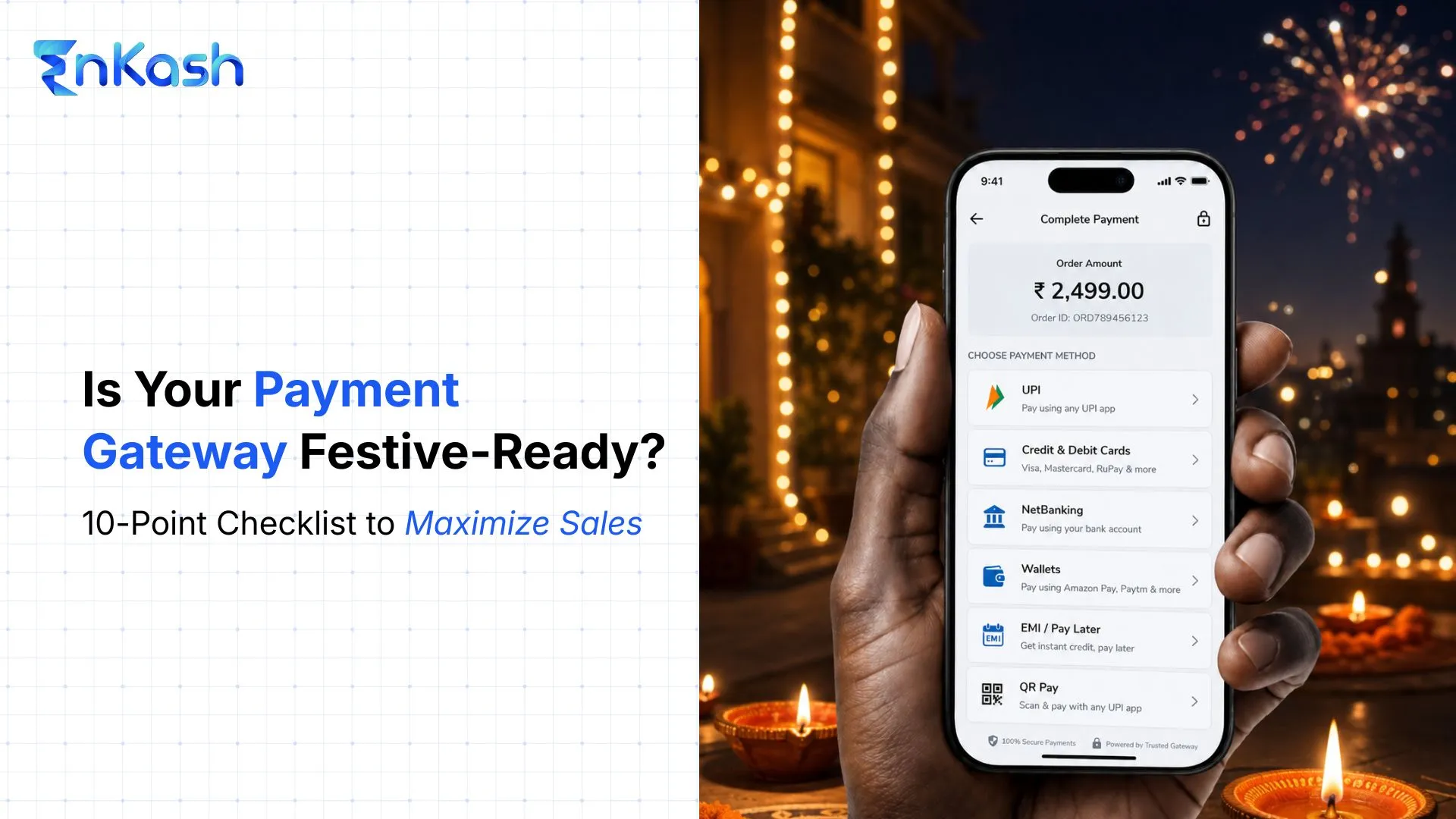
- Convenience is king: Customers don’t want to be limited to just one or two payment methods. Payment gateways allow you to offer a variety of options, such as credit cards, debit cards, and popular e-wallets. This makes it easier for people to pay you the way they prefer.
- Speed matters: No one likes a slow checkout process. Payment gateways encrypt financial information and streamline transactions so your customers can pay quickly and get back to what they were doing.
- Security is a must: Protecting your customers’ financial information is essential. Payment gateways use industry-standard security measures to keep data safe and prevent fraud. This gives your customers peace of mind when they shop with you.
- Global Reach: Thinking about expanding your business internationally? Many payment gateways offer global processing capabilities, allowing you to collect payments from customers around the world and tap into new markets.
How to Choose the Perfect Payment Gateway Options?
With a plethora of options available, selecting the right flexible payment gateway can feel overwhelming. Here are some key factors to consider:
- Transaction Fees: Think about how many transactions you typically process each month and compare the pricing structures of different gateways. Look at factors like per-transaction fees, monthly fees, and any additional charges for things like chargebacks (when a customer disputes a payment).
- Security: Make sure the payment gateway you choose adheres to strict security protocols like PCI DSS compliance. This ensures that your customers’ financial information is always protected.
- Payment Methods: Choose a gateway that supports the most popular payment methods used by your target audience and in your region.
- Ease of Use: Consider your technical expertise. If you’re not very tech-savvy, choose a gateway with a user-friendly integration process or readily available customer support.
- Scalability: Think about your future business goals. Choose a payment gateway that can grow with your business and handle an increase in transaction volume as your business expands.
EnKash Payment Gateway
EnKash, a leading provider of business payment solutions, offers its Payment Gateway. This robust and secure gateway caters to businesses of all sizes, from startups to large enterprises.Key features of EnKash Payment Gateway:
- Multiple Payment Options: Accept a wide range of payment methods, including credit cards, debit cards, popular e-wallets, and local payment methods, catering to your global customer base
- Seamless Integration: Integrate the gateway easily with your existing website or app using various integration methods like hosted checkout pages, API integration, and plugins for popular platforms
- Enhanced Security: EnKash payment gateway adheres to stringent security standards like PCI DSS compliance, ensuring the safety of your customers’ financial data
- Fraud Management: Benefit from advanced fraud prevention tools to minimize fraudulent transactions and protect your business
- Real-time Reporting & Analytics: Gain valuable insights into your transactions with detailed reporting and analytics tools.
Benefits of using EnKash Payment Gateway:
- Increased Sales: Offer a wider range of payment options to improve customer convenience and boost sales
- Reduced Costs: Enjoy competitive transaction fees starting at 1.99%** and potentially lower costs compared to traditional payment processing methods
- Improved Customer Experience: Provide a smooth and secure checkout process for your customers, fostering trust and loyalty
- Streamlined Operations: Simplify payment processing and manage all your transactions from a centralized platform.
* Pricing may vary by payment mode, risk category, and settlement terms*Conclusion
Multiple payment gateway integration plays a crucial role in the success of any online business. By choosing the right gateway, you can provide a smooth and secure checkout experience for your customers, leading to increased sales and customer satisfaction. Consider the factors discussed in this guide to select the payment gateway that best suits your business needs.
Additionally, explore the EnKash Payment Gateway for a comprehensive and secure payment processing solution. We hope this comprehensive guide has equipped you with the knowledge to understand the different types of payment gateways and make an informed decision for your business.
FAQs
1. What is the difference between a payment gateway and a payment processor?A payment gateway securely transfers customer payment data to the processor. The processor then completes the actual transaction with the bank.
2. Which type of payment gateway is best for small businesses?Hosted gateways are ideal for small businesses since they’re easy to set up, secure, and require no advanced technical knowledge.
3. Can I integrate multiple payment gateways into one website?Yes. Many businesses use multiple gateways to offer more payment options, reduce downtime risk, and increase customer retention.
4. Are payment gateways safe?Yes. Reliable gateways follow PCI DSS standards, use encryption, and apply fraud detection to secure transactions.
5. What are typical payment gateway fees?Most providers charge between 1.5%–3% per transaction, with possible setup or monthly fees. Some also charge for refunds/chargebacks.
6. Can I accept international payments?Yes, but you’ll need a gateway that supports multi-currency, cross-border payments, and complies with RBI regulations if you’re in India.
7. Do payment gateways support UPI and wallets in India?Yes. Most leading Indian gateways now support UPI, PhonePe, Paytm, Google Pay, and Amazon Pay.
8. What happens if a payment fails?The customer is notified, and the funds are usually reversed automatically. Good gateways provide error logs to help merchants troubleshoot.