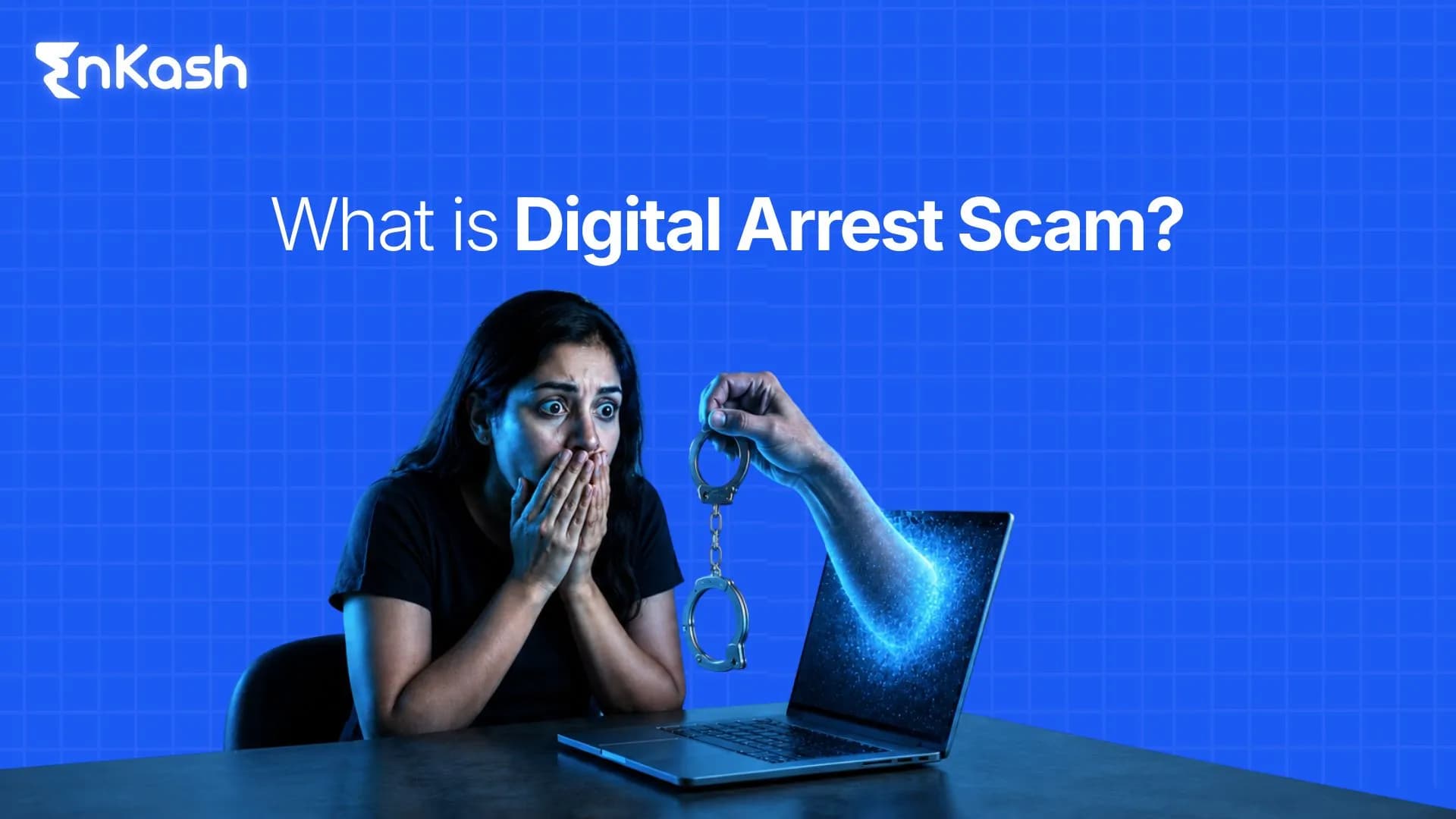
As of 31 January 2026, India’s financial cyber fraud response system had helped protect over ₹8,690 crore across 24.65 lakh complaints. In 2025, financial cyber fraud complaints on the national cybercrime platform reportedly crossed lakhs of cases, with losses running into thousands of crores. Use exact numbers only with an official citation. These figures explain why a phone call about a parcel, SIM card, Aadhaar record, or bank account needs immediate caution.
Digital arrest begins with authority pressure. A caller claims your identity has appeared in a money-laundering file, a narcotics parcel, an illegal account trail, or a telecom misuse case. The fear grows when fake badges, official-looking notices, and video-call demands enter the conversation. The victim is pushed into silence before they verify anything.
In the following sections, you will learn how this scam works, the warning signs people miss, what to do during a suspicious call, and the security steps that reduce future risk. It also helps readers understand why cyber scams in India spread through pressure, secrecy, and urgent financial demands, and why independent verification should precede any response.
What is the Digital Arrest Scam
A digital arrest scam is a cyber fraud where criminals pretend to be police, CBI, ED, customs, RBI, courier, or telecom officials and falsely claim that a person is under investigation. Their main aim is to intimidate you into paying money and other sensitive details.
There is no legal concept of digital arrest in India. If you receive such a call, disconnect, do not pay, do not share OTPs or UPI PINs, verify independently, and report financial fraud through 1930 or the National Cyber Crime Reporting Portal
Indian law does not allow remote arrest via WhatsApp, Skype, Zoom, Telegram, or phone call. A real investigation follows procedure, documented communication, identifiable officers, and lawful action through recognized channels. No genuine law enforcement officer can keep a citizen under camera watch or demand a private payment to clear suspicion.
Why ‘Cyber Arrest’ is a Fake Legal Threat
Cyber arrest is built to sound technical, serious, and official. Fraudsters use terms such as digital custody, online surveillance, priority case, sealed file, and virtual interrogation to make the victim feel trapped. The words sound legally serious, but they do not create any legal authority.
The strongest warning appears when the caller links secrecy with payment. A victim may hear that the case can be paused through a refundable deposit, an account audit, a verification charge, or a safe account transfer. No court, police team, enforcement unit, or banking authority clears criminal allegations through such payments.
Why Victims Believe Digital Arrest Scammers
The fraud succeeds because it attacks judgment before facts can be checked. A caller may mention a correct name, address, parcel reference, identity detail, or bank-related clue. Those fragments make the story appear grounded.
The staging then adds pressure. A fake officer may display a badge, send a forged notice, use a police-style background, or transfer the call to another person. Senior citizens, students living away from home, working professionals, business owners, and homemakers can become vulnerable when the threat sounds immediate. The scam works only when the victim is kept fearful, isolated, and rushed.
How Digital Arrest Scams Operate
A fraud attempt may begin with an automated call about a courier hold, telecom misuse, a customs alert, a bank concern, or an identity-linked complaint. The caller may ask the person to press a number for urgent support. Once a human operator joins, the tone shifts from customer support to legal pressure.
The first story may involve drugs in a parcel, a SIM card used for fraud, suspicious bank transfers, or an Aadhaar record linked with an investigation. A local-looking number, government emblem, or official caller name can make the warning appear believable.
Impersonation of Officials and Fake Case Transfer
The caller may then transfer the person to a fake senior officer. This staged handover makes the fraud feel formal. The next voice may sound stricter, share a case number, or send a forged PDF with stamps, logos, and official language.
In a digital arrest scam in India, every transfer is designed to weaken doubt and push the victim toward obedience.
Fake Allegations Used to Create Panic
The allegation soon becomes personal. Scammers may mention narcotics, Aadhaar misuse, passport fraud, illegal accounts, or money laundering. They may warn that bank accounts can be frozen, that family members can be questioned, or that travel documents can be blocked.
Some fraudsters use desk noise, police-style backgrounds, uniformed video frames, and files marked 'confidential' or 'urgent'. These details create pressure, not proof.
Isolation Through Secrecy and Video-Call Control
Once fear rises, the caller may demand video contact through WhatsApp, Skype, Zoom, Telegram, or another platform. The victim may be told to keep the camera on, remain alone, avoid family calls, and wait for clearance.
Money Demand Through Safe Account or Verification Claims
The final demand may appear as a refundable deposit, an account audit, bail support, a verification charge, or a safe account transfer. Funds may move through mule accounts, UPI IDs, wallets, or layered bank routes. At this point, digital crime turns into financial loss.
How to Protect Yourself From Digital Arrest
Treat Video-Call Arrest Claims as a Scam Signal
A demand to remain on camera should be treated as a clear warning sign. A genuine officer does not need a private video feed to verify identity, check a parcel issue, or examine a bank concern. If the caller says disconnection will lead to arrest, end the call and verify separately.
Disconnect First and Verify Separately
Do not argue with the caller or explain your position. Long conversations help scammers collect details, test fear, and adjust the story. Note the number, platform, caller name, claimed department, and exact demand before ending contact.
Verification should happen through a route you choose. Contact the nearest police station, the official cybercrime portal, the bank’s verified helpline, or a trusted family contact. Never depend on numbers, links, email IDs, PDF notices, or helpline details shared by the caller.
Never Share Sensitive Details
Keep Aadhaar, PAN, bank account numbers, debit card details, credit card details, CVV, OTP, UPI PIN, net banking password, device password, and screen-sharing access private. A payment password cannot clear a criminal allegation. Screen access can expose messages, saved cards, emails, identity papers, and financial apps within seconds.
Call a family member, friend, lawyer, bank official, or local police station after ending the suspicious interaction. A second person can identify pressure tactics that the target may miss in the heat of the moment.
Families should set a simple rule. No payment linked to an arrest, parcel trouble, account freezing, or official clearance should be made without checking with another trusted person. Senior citizens and students living away from home should keep one emergency contact written down outside the phone.
Recognize Pressure Phrases
Certain phrases should be enough to end the conversation immediately. These include confidential cases, cameras must remain on, do not tell anyone, final warning, account freeze order, national security review, and transfer now. Cyber arrest claims rely on secrecy and speed, while verified processes allow proper checking.
What to Do If You Are Targeted by Scammers
End communication once the caller uses threats, fake legal language, or payment pressure. Do not join another video link, install any app, or continue defending yourself. Save the phone number, caller name, profile image, chat messages, call logs, screenshots, forged papers, payment instructions, and platform details before blocking the contact.
Note the first call time, names used, allegation made, amount demanded, account details shared, and every transfer attempt. Keep original files, since edited screenshots can weaken later review.
Report Financial Fraud Through 1930 and the National Cyber Crime Reporting Portal
If money has been transferred, call 1930 immediately and file a complaint on the National Cyber Crime Reporting Portal. Add the transaction ID, UPI ID, beneficiary account, amount, date, time, phone numbers, email addresses, chat handles, and fake notices.
A digital arrest scam in India complaint should mention video calls, screen sharing, official logos, courier labels, bank names, or police-style backgrounds used by the caller.
Contact the bank through its official helpline, mobile app support, or branch. Request card blocking, UPI restriction, internet banking review, beneficiary check, and written acknowledgment. Early reporting can help limit loss and may affect customer liability in unauthorised electronic banking transactions, subject to RBI rules, bank investigation, and case facts.
Approach the local police or the Cyber Police Station
Visit the nearest police station or cyber police station when there is financial loss, identity misuse, threats, blackmail, forged papers, or repeated harassment. Carry the cybercrime complaint acknowledgment, bank complaint, screenshots, transaction records, and identity proof. If office data was shared, inform the employer quickly.
How to Improve Your Security
Make Banking and UPI Safer
Reduce the money exposed through daily payment apps. Keep larger savings away from routine UPI use where practical. Set daily transaction limits, review saved beneficiaries, and disable card channels you do not use, such as international payments, contactless payments, or online merchant usage. Check every UPI screen before approval. To receive money through UPI, you do not need to scan someone else’s QR code or enter your UPI PIN. A collect request should be approved only after checking that it is meant to debit your account.
Secure Phone and App Access
Phone hygiene protects financial access before cyber scams in India reach the user. Keep the operating system, banking apps, UPI apps, email apps, and messaging apps up to date. Remove unknown apps, old APK files, and tools installed from chat links. Review permissions for camera, microphone, SMS, contacts, storage, and accessibility. Screen-sharing apps need careful handling because a guided call can expose OTP alerts, banking screens, saved cards, emails, and identity papers.
Strengthen Email and Account Protection
Use separate passwords for banking, email, shopping, social media, and work tools. Enable multi-factor authentication on email and financial accounts. Keep recovery numbers and recovery email addresses updated. Delete old screenshots that contain passwords, card details, identity documents, or banking information. Turn on bank alerts via SMS, email, or app notifications, as early warnings can limit damage from digital crime after a mistaken tap.
Create Family-Level Safety Rules
A shared family rule can prevent rushed payments. No urgent payment linked to an arrest, hospital trouble, courier issue, or account freezing should be made without checking with another trusted person. Families can decide a private emergency phrase for real distress calls. Children, elders, and domestic staff should know that unknown callers cannot demand secrecy, video access, or financial verification. Review these rules during device changes, new SIM use, account opening, and festive shopping periods, when scam messages rise.
Business owners should also restrict access to net banking, vendor lists, payroll files, and payment approvals on shared office devices without prior written approval.
Other Cyber Crimes and How to Protect Yourself
Phishing Links and Fake Websites
Phishing fraud uses links that look like bank pages, courier forms, electricity bill notices, tax refund pages, KYC updates, PAN corrections, or shopping refund pages. The page may ask for card details, login passwords, OTPs, selfies, cheque images, or identity documents. Protection begins with the address bar. Type official website addresses manually, check domain spelling, avoid urgent links, and never submit financial details through pages reached from random messages.
UPI Collect Request and QR Code Fraud
UPI fraud depends on confusion between sending and receiving money. Scammers may claim they are paying rent, buying a product, issuing a refund, or sending a delivery amount. The victim is then asked to approve a collect request or scan a QR code. Receiving money does not require a UPI PIN. Before approval, check the transaction direction, amount, receiver name, and reason displayed on the screen.
Fake Investment, Trading, and Loan App Scams
Fake investment scams may appear through trading groups, crypto tips, guaranteed return plans, fake dashboards, or celebrity-style promotions. Loan app fraud may involve instant approval, upfront fees, full access to contact information, and later harassment. Check financial entities through proper channels before sending money. Avoid fake APK files, private trading mentors, and groups that pressure quick deposits. Many cyber scams in India begin with small test payments before greater demands are made.
Remote-Access and Fake Customer-Care Scams
Remote-access fraud uses fake support claims. The caller may pose as bank staff, UPI support, courier help, telecom support, tax-refund teams, or e-commerce agents. The user is asked to install a remote-access app, share the screen, or enter codes. Use support within the official app or on the verified website. Avoid random customer-care numbers found through search results, ads, or social posts.
SIM-swap attempts deserve separate caution. If the mobile network suddenly disappears, contact the operator and the bank quickly. A replaced SIM can receive account alerts, reset links, and payment confirmations before the real account owner notices the pattern clearly.
Sextortion uses fake profiles, video-call traps, edited images, and threats to contact family or employers. Paying rarely ends the pressure. Save evidence, block after documentation, report the profile, and file a complaint through the cybercrime portal. The safest response to digital crime is early reporting, clear evidence, and no private settlement with the offender.
Read more: What is a Fake Payment Screenshot Scam? How to Handle and Avoid it?
Final Thoughts
Digital arrest is a fraud built on fear, false authority, and rushed decisions. A genuine legal process does not require private video monitoring, secret cooperation, OTPs, UPI PINs, or payment to a safe account. The safest response is practical: disconnect, verify through an official route, speak to another person, preserve evidence, and report quickly if money moves.
Fraudsters succeed when a person is kept alone with a threat. A short pause can break that control. Families should discuss these calls before they occur, set payment-check rules, and keep 1930 within reach for reporting financial fraud. As cyber scams in India become more organized, awareness has to become part of daily digital behavior, not an occasional safety discussion. Every suspicious call deserves verification before responding, making payments, sharing documents, or granting screen access.
FAQs
1. What is digital arrest in India?
Digital arrest is a cyber fraud where criminals pose as police, CBI, ED, RBI, customs, or courier officials and claim a person is linked with a crime. No Indian law allows arrest through phone calls, video calls, or messaging apps.
2. How does a digital arrest scam start?
A digital arrest scam can begin with a call about a parcel, SIM card, Aadhaar record, bank account, or suspicious transaction. The caller creates fear through fake case numbers, forged notices, official-sounding language, and urgent instructions.
3. Is digital arrest real in India?
No. There is no legal concept of digital arrest in India. Any caller claiming that you are under arrest through WhatsApp, Skype, Zoom, Telegram, or a phone call should be treated as suspicious.
4. What should I do if I receive a digital arrest call?
Disconnect the call, save evidence, speak to a trusted person, and verify the claim through the nearest police station or official cybercrime channels. Do not transfer money, share OTPs, install apps, or keep your camera on.
5. Can police ask for money to clear a digital arrest case?
Police, courts, RBI, CBI, ED, customs, or bank officials do not ask citizens to transfer money to clear criminal allegations. Safe account transfers, refundable deposits, verification fees, and account audit payments are fraud signals.
6. Where should I report a digital arrest scam in India?
If money has been lost, call 1930 immediately and file a complaint on the National Cyber Crime Reporting Portal. Also, inform your bank if your account, card, UPI, or net banking details were exposed.
7. What evidence should I keep after a digital arrest scam call?
Keep phone numbers, caller names, call logs, chat messages, screenshots, fake notices, UPI IDs, bank account details, transaction IDs, video-call images, and the timeline of events. Clear evidence helps cybercrime teams examine the contact route.
8. What are the warning signs of a digital arrest scam?
Warning signs include fake legal threats, video-call monitoring, secrecy instructions, forged notices, urgent payment demands, safe account transfers, and requests for OTPs, UPI PINs, or screen-sharing access.
9. How can senior citizens avoid digital arrest scams?
Senior citizens should follow a family verification rule before responding to legal or financial threats. Unknown callers should not receive camera access, OTPs, banking details, or identity documents. A printed emergency contact list can reduce panic.
10. How can I prevent cyber scams in India?
Use strong passwords, enable multi-factor authentication, keep banking apps updated, lower daily transfer limits, avoid unknown links, and verify urgent calls independently. Strong digital habits reduce exposure to cyber scams in India and other forms of digital crime.