A few years ago, digital payments in India looked very different. Cash dominated most transactions. Bank transfers required account numbers and IFSC codes. Wallets worked only within limited networks. Digital payments existed, but convenience remained inconsistent. In 2016, the Unified Payments Interface entered this environment. It was introduced by the National Payments Corporation of India with a simple objective.
Direct bank-to-bank payments through a mobile phone, without sharing sensitive banking details. One system. One identifier. One payment flow across banks. The idea found immediate relevance. Everyday use cases such as paying merchants, sending money to family members, and settling small dues no longer required multiple steps or platforms. Banks, apps, and users aligned around a common payment layer.
Over time, UPI became embedded into daily financial activity. Transaction volumes increased steadily, merchant acceptance widened, and app ecosystems expanded on top of the same underlying rails. Today, UPI supports billions of monthly transactions and operates under regulatory oversight from the Reserve Bank of India, forming the foundation of India’s digital payment infrastructure.
What are UPI Apps?
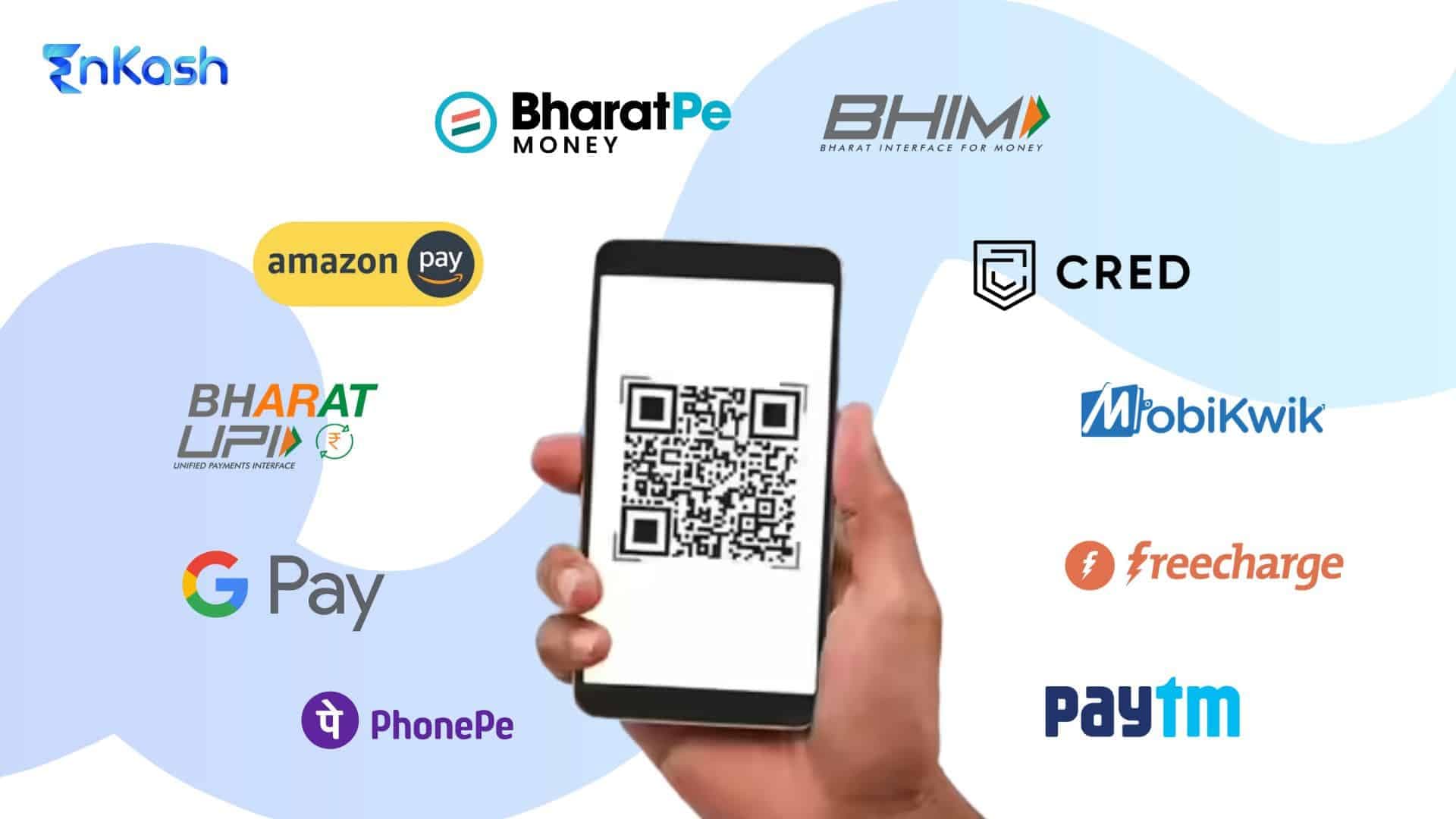
UPI apps are mobile applications that enable instant money transfers through the Unified Payments Interface (UPI) system. They allow seamless transactions directly from a bank account, removing the need for physical cash or separate digital wallets.
Advantages of UPI Apps
UPI apps have made digital payments easier and faster for everyone. They offer several benefits that make money transfers, bill payments, and everyday transactions more convenient and secure.
- Instant Transfers: Money can be sent or received within seconds, anytime and anywhere.
- No Wallet Required: Transactions happen directly from the linked bank account, removing the need for separate wallets.
- 24×7 Availability: Payments can be made round the clock, even on weekends and bank holidays.
- Secure Transactions: UPI uses multi-level authentication, ensuring safe and verified payments.
- Ease of Use: Only a mobile number, UPI ID, or QR code is needed to make payments.
- Wide Acceptance: Accepted by small merchants, online stores, and service providers across India.
- Low or No Charges: Most UPI transactions are free, making them affordable for everyone.
- Supports Multiple Banks: One UPI app can handle several bank accounts at once.
UPI apps act as digital wallets in India, enabling users to pay through any trusted pay app without storing money separately.
How we Determine the Best UPI Apps in India
Identifying the top UPI apps in India goes beyond popularity or app downloads. In real-world usage, UPI adoption depends on transaction scale, product design, regulatory alignment, and how well an app fits into everyday payment needs. We have evaluated UPI apps using publicly available transaction data, documented product capabilities, and how each app is structured to operate within the UPI ecosystem.
UPI Transaction Presence and Scale
Where app-wise data is publicly available, we referred to NPCI-linked transaction reporting from credible industry sources to understand relative usage and adoption. This helps distinguish apps used for high-frequency, everyday payments from those designed for specific or limited use cases. For apps without published volumes, positioning is based on their visibility and role within the UPI ecosystem.
Intended Use Case and Target Users
Not all UPI apps serve the same audience. Some focus on mass consumer payments, others on merchants, bank customers, or supervised users. We assessed who each app is built for and how UPI fits into its core purpose, rather than treating all apps as interchangeable.
All apps covered operate within the RBI and NPCI UPI framework, but their structures differ. Bank-backed apps, fintech-led platforms, prepaid-based models, and merchant-focused tools follow different approaches. These differences influence reliability, controls, and how payments are handled.
User Experience and Interface
A UPI app that offers a smooth user experience with a simple, easy-to-understand design. It should be built in a way that makes digital payments easy and accessible for everyone, allowing users to send and receive money quickly without any confusion.
Features Beyond Basic Transfers
Leading apps go beyond peer-to-peer payments. Bill payments, recharge services, merchant QR tools, payment reminders, autopay mandates, and transaction history insights add convenience and make the app more useful in daily life.
Top UPI Apps in India 2026
| S.No. | UPI App |
|---|
| 1 | PhonePe |
| 2 | Google Pay |
| 3 | Paytm |
| 4 | BHIM |
| 5 | Amazon Pay |
| 6 | CRED |
| 7 | MobiKwik |
| 8 | WhatsApp Pay |
| 9 | Tata Neu |
| 10 | super.money |
| 11 | Freecharge |
| 12 | Airtel Thanks |
| 13 | Navi |
| 14 | ICICI iMobile Pay |
| 15 | Axis Mobile |
| 16 | HDFC Bank Mobile Banking |
| 17 | SBI YONO |
| 18 | Kotak 811 |
| 19 | Jio Finance |
| 20 | FamPay |
Top UPI Apps in India
1. PhonePe – India’s Most Popular UPI App
PhonePe operates as a UPI-first platform that later expanded into a broader financial app. While UPI remains central to the product, the app also layers bill payments, recharges, and other financial services around the core payment flow. This structure reflects how PhonePe is used at scale, especially for merchant payments. NPCI-linked data reported by Entrackr shows that PhonePe processed around 9.8 billion UPI transactions in December 2025, accounting for roughly 45% of total UPI transaction volume. This makes PhonePe the most used UPI app in India by a clear margin, driven largely by high-frequency merchant QR payments.
Strengths:
- Very large transaction scale, indicating deep everyday usage
- Strong fit for merchant QR payments due to widespread consumer adoption
- Broad coverage across banks and payment use cases within one app
Limitations
- Multi-service structure adds extra sections beyond core UPI
- Users looking only for quick scan-and-pay may encounter more navigation than needed
2. Google Pay – Simple, Secure, and Rewarding
Google Pay is built as a payment-first UPI app, with most of the product focused on sending money, scanning QR codes, and checking transaction status. It avoids bundling wallets or large sets of financial services into the core payment flow, which shapes how people use it day to day. Google Pay handled about 7.5 billion UPI transactions, contributing close to one-third of all UPI activity in India. This level of usage comes largely from frequent person-to-person payments and repeat merchant transactions rather than extended payment or commerce use cases.
Strengths:
- Payment-first design with fewer steps, suited for quick UPI transactions
- Clear focus on core UPI actions without wallets or heavy add-ons
- Supports multiple linked bank accounts within one profile
Limitations:
- Credit card bill payments attract a platform fee of around 1%.
- Refunds, especially for UPI Lite transactions, can take time to process.
- Customer support is largely automated, which can slow issue resolution.
3. Paytm UPI – All-in-One Payment App
Paytm approaches UPI as one part of a larger payments experience. Along with bank-based UPI transfers, the app also supports wallet balances, bill payments, recharges, and merchant-facing tools. This combination shapes how Paytm is used, especially in neighbourhood stores and small businesses where QR payments happen repeatedly through the day. In December 2025, Paytm handled around 1.6–1.7 billion UPI transactions, contributing roughly 7–8% of overall UPI activity in India. This level of usage places Paytm among the leading UPI apps, with most transactions coming from offline retail and merchant payments rather than person-to-person transfers.
Strengths:
- Strong adoption among offline merchants and small retailers
- UPI payments combined with bill payments and recharges
- Familiar payment flow for users who already rely on Paytm
Limitations:
- App experience includes multiple payment and commerce features
- Users focused only on quick UPI payments may find extra navigation steps
4. BHIM UPI – The Official NPCI UPI App
The app limits itself to essential payment functions such as transferring money, requesting funds, and paying through QR codes, without introducing wallets or additional payment layers. In December 2025, BHIM handled roughly 150–160 million UPI transactions. Although this volume is significantly lower than that of private UPI apps, the app continues to be used consistently. Its adoption is driven by a simple payment flow and its direct connection to the UPI system, rather than by feature expansion or bundled services.
Strengths:
- Simple and focused interface limited to core UPI payments
- Direct alignment with NPCI standards and UPI features
- No cross-selling or bundled financial services
Limitations:
- Limited features beyond basic UPI payments
- Lower adoption compared to large private UPI apps
Amazon Pay UPI works inside the Amazon India app and lets users make UPI payments directly from their bank accounts. It is mainly used by people who already shop on Amazon and prefer paying for orders, subscriptions, or bills without switching to another app.
Strengths:
- Easy UPI payments while shopping on Amazon
- Useful for users who already use Amazon for bills and subscriptions
- Payment status and transaction history are easy to track
Limitations:
- UPI payments are available only through the Amazon app
- Not widely used for offline or local merchant payments compared to leading UPI apps
6. CRED – Premium UPI App with Rewards
CRED offers UPI payments as part of its app, which is mainly used by credit card holders. UPI on CRED allows users to send and receive money from linked bank accounts, along with paying merchants through QR codes. The app is designed for a specific group of users rather than for mass-market UPI usage.
Strengths:
- Clean and minimal app experience
- Useful for users who already manage credit cards through CRED
- Smart reminders for due bills
- Clear payment records and confirmations
Limitations:
- Requires membership, which limits wider adoption
- Not commonly used for everyday or offline merchant payments
- UPI features are secondary to the app’s credit-focused use cases
7. BharatPe – Best UPI App for Businesses and Merchants
BharatPe is built mainly for merchants rather than everyday consumers. It focuses on helping small businesses accept UPI payments through interoperable QR codes that work across all UPI apps. Consumers usually do not use BharatPe as their primary UPI app, but many merchants rely on it to receive payments.
Strengths:
- Designed specifically for merchants and shop owners
- No transaction charges for merchants
- Single QR code that accepts payments from all UPI apps
- Strong presence among small retailers and local businesses
Limitations:
- Not intended for regular consumer UPI usage
- Limited features for sending money or personal payments
- Works best as a merchant payment tool rather than a full UPI app
8. MobiKwik – UPI with Credit and Cashback
MobiKwik offers UPI payments along with its wallet services. Users can make UPI payments directly from their bank accounts or choose to pay using wallet balance through features like Pocket UPI. This makes MobiKwik slightly different from bank-only UPI apps.
Strengths:
- Option to pay using wallet balance through Pocket UPI
- “ZIP Pay Later” short-term credit option
- Cashback and SuperCash rewards
- Supports bill payments, recharges, and online transactions
Limitations:
- Lower UPI adoption compared to top UPI apps
- Extra step required when paying through wallet balance
- Less visible for everyday offline merchant payments
9. Freecharge – Easy and Reliable UPI Payments
Freecharge supports UPI payments along with mobile recharges and utility bill payments. The app is mainly used by people who already rely on it for recurring bills and prepaid services, with UPI acting as a supporting payment option rather than the primary use case.
Strengths:
- UPI transfers, recharges, and bill payments
- Clear payment records for recurring transactions
- Axis Bank-backed reliability
- Works with merchant QR codes
Limitations:
- Limited UPI adoption compared to leading apps
- Lower visibility for everyday merchant QR payments
- Fewer UPI-first features
10. Airtel Thanks – UPI and Digital Banking Combined
Airtel Thanks offers UPI payments as part of the Airtel app. Users can send and receive money, scan QR codes, and make payments from linked bank accounts. The app is mainly used by Airtel customers who already rely on it for mobile, broadband, or DTH services.
Strengths:
- Convenient for users who already manage Airtel services in the same app
- Works well for telecom-related payments and recharges
- Supports UPI payments, QR scans, and bill payments
Limitations:
- Limited appeal for users outside the Airtel ecosystem
- Not commonly used for offline merchant payments
11. FamPay – UPI & Card Payments for Teenagers
FamPay is designed for teenagers and young users who do not have traditional bank accounts. It enables UPI-style payments through a prepaid account and card structure, with parental oversight and spending controls.
Strengths:
- Enables digital payments without a bank account
- Numberless FamCard for secure online/offline spending
- Parent-controlled loading and spending limits
- Attractive rewards and cashback
Limitations:
- Not intended for frequent or high-volume UPI payments
- Limited peer-to-peer and merchant usage
12. HDFC PayZapp – UPI, Cards & Bill Payment App
HDFC PayZapp is HDFC Bank’s payments app that supports UPI transfers, QR payments, and bill payments. It is primarily used by existing HDFC Bank customers who prefer a bank-backed app for digital payments.
Strengths:
- Backed by a large private-sector bank
- Suitable for users already banking with HDFC
- Mobile recharge, utility bill payments, & DTH
Limitations:
- Limited appeal outside HDFC’s customer base
- Slower feature expansion compared to fintech-led apps
- Less visible in offline merchant payments
13. WhatsApp Pay – UPI Payments within Chat
WhatsApp Pay allows users to send and receive money through UPI directly within WhatsApp chats. Payments move directly between bank accounts, using the existing contact list and conversation flow.
Strengths:
- UPI transfers inside WhatsApp chat windows
- Simple setup using a linked bank account
- Payment shortcuts through chat commands
- Nationwide merchant QR support
- End-to-end encrypted payment experience
Limitations:
- Limited support for merchant and bill payments
- Fewer payment management features
- UPI usage depends on chat-based interactions
Read more: UPI Payments – Accept Payments Online into your Bank Account
Why UPI Apps are safe for online transactions
UPI apps come up with security features that restrict app and data manipulation. The apps have 2FA and VPA which doesn’t allow the user to share their actual bank account details. Two Factor authentication facilitates the users to have a secure UPI PIN so that only genuine users can transfer money. UPI Apps have following security features:
2FA: Each transaction via UPI requires a secure PIN for transaction processing to ensure only authorised users transfer money.
VPA: Virtual Payment Address is a dedicated address unique to every user which can be used to transfer or receive money. It refrains the user to share their real bank account details preventing frauds.
Device Bound: UPI apps are secured with the registered phone number and SIM restricting access from other devices.
Data Encryption: UPI transactions are encrypted end to end ensuring data remains protected.
Regulatory Supervision: The National Payments Corporation of India (NPCI) & the Reserve Bank of India (RBI) control and regulate the UPI system, maintaining high safety standards for all transactions.
Read more: UPI Payments – Accept Payments Online into your Bank Account
Best Mobile Payment Apps
| Rank | UPI App | Description / Key Highlights | Best For |
|---|
| 1 | PhonePe | India’s largest UPI app by transaction volume, widely used for merchant QR payments, transfers, bills, and recharges. | Everyday personal and merchant payments |
| 2 | Google Pay | Payment-first UPI app focused on fast transfers and QR payments with a simple, clutter-free experience. | Daily UPI transfers |
| 3 | Paytm | All-in-one payments app combining UPI, wallet, recharges, bills, and strong offline merchant acceptance. | Online and offline retail payments |
| 4 | BHIM | Official NPCI app offering basic, no-frills UPI transfers without wallets or add-on services. | Beginners and basic UPI users |
| 5 | Amazon Pay | UPI payments available within the Amazon app, commonly used for shopping, bills, and subscriptions. | Amazon shoppers |
| 6 | CRED | Credit-focused app with UPI support, rewards, and bill reminders for card users. | Credit card users |
| 7 | BharatPe | Merchant-first UPI platform offering a single interoperable QR and business tools. | Small businesses and retailers |
| 8 | MobiKwik | Wallet + UPI app with Pocket UPI, cashback, and short-term credit options. | Cashback and wallet-based payments |
| 9 | Freecharge | UPI app focused on recharges and bill payments, with bank-backed reliability. | Recurring bills and recharges |
| 10 | Airtel Thanks | UPI payments combined with telecom services and digital banking features. | Airtel users |
| 11 | FamPay | Teen-focused payments app using prepaid accounts, cards, and parental controls. | Teenagers and family-managed spending |
| 12 | HDFC PayZapp | Bank-backed payments app supporting UPI, cards, and bill payments for HDFC customers. | Bank-led UPI usage |
| 13 | WhatsApp Pay | UPI transfers built directly into WhatsApp chats for simple peer-to-peer payments. | Quick P2P payments in chat |
Read More: Best Digital Wallets apps in India
How Do UPI Apps Work?
1. Link your Bank Account A UPI app connects directly to the user’s bank account through the Unified Payments Interface system.
2. Create a UPI ID and PIN After linking, the user sets up a UPI ID and a secure PIN, which are used to send or receive money safely.
3. Start a Transaction When a payment is made, the UPI app sends the transfer request to the bank through the UPI network.
4. Instant Processing The bank verifies the details, confirms the PIN, and completes the transaction instantly.
5. Secure and Real-Time Payments Every transaction is encrypted and verified, ensuring quick, safe, and reliable money transfers at any time.
6.UPI wallets in India Most UPI Digital wallets in India connect directly to bank accounts rather than storing a balance separately Read more: A Detailed Guide to Help You with Transaction Status Check
Conclusion
With the rapid growth of digital transactions, UPI apps in India have become an essential part of everyday financial activities. Whether for peer-to-peer transfers, online shopping, bill payments, or business transactions, choosing the best UPI payment app depends on your needs. Our blog covered leading UPI apps available in India and detailed their functionalities, along with security features and overall advantages. PhonePe, Google Pay, Paytm, BHIM UPI, and Amazon Pay top the market, both with high user trust levels and large transaction volumes. The safest UPI apps available in India, such as BHIM UPI and Google Pay, concentrate on providing security features alongside fraud prevention measures. The shift toward a cashless economy in India will drive digital payment apps to advance by adopting AI-based security systems and expanding financial services with international UPI transactions. The optimal UPI app will improve your digital payment experience based on your preferences for security features, reward programs, or transaction simplicity. Whether you prefer PhonePe, Paytm, BHIM, or FamPay, selecting the best UPI app from the top 10 payment apps in India ensures secure and seamless transactions through trusted UPI wallets in India.
FAQs
1. Which UPI app is best for high-value transactions?
For high-value transactions in India, the most suitable UPI payment app depends on its security features and compatibility with different banks. Google Pay, PhonePe, and BHIM UPI enable the smooth handling of big payments through their secure encryption systems and direct integration with banks.
2. Can I use multiple UPI apps with the same bank account?
Users in India can connect one bank account to several UPI applications, including Google Pay and PhonePe, as well as Paytm and Amazon Pay. Every UPI app generates its own Virtual Payment Address (VPA), which is used for transactions.
3. What are the transaction limits for UPI payments in India?
UPI transactions generally have a daily limit of ₹1 lakh per bank account; higher caps apply to specific categories (e.g., capital markets, education, healthcare) as permitted by NPCI/banks. BHIM and Paytm, among the top UPI apps in India, operate with their own transaction limits.
4. How do I ensure my UPI transactions are safe from fraud?
The safest UPI application in India requires you to practice these security measures.
- Never share your UPI PIN with anyone.
- Verify merchant details before making payments.
- Activate app lock and enable transaction notifications in your digital payment application.
5. Which UPI app offers the best cashback rewards?
The top online payment app for cashback in India is:
- Google Pay users receive scratch cards with rewards during their transactions.
- Amazon Pay delivers cashback when you make bill payments or shop online.
- PhonePe and Paytm provide offers that apply to mobile recharges and payments for both travel and merchant services.
6. Can I make international transactions using UPI apps in India?
The UPI system operates mainly within domestic boundaries, yet Indian UPI applications are beginning to reach international markets. NPCI established collaborations with the UAE, Nepal, Singapore, and France to permit UPI international payments at specific sites.
7. What happens if my UPI transaction fails, but the money is deducted? If a UPI payment app deducts money but the transaction fails:
- The amount is usually refunded within 24-48 hours.
- You can check your UPI transaction history in the app.
- If not refunded, contact the customer support of your Indian online payment app or your bank.
8. Which UPI apps in India support credit payments? Several best UPI apps in India now support credit-based UPI payments:
- Paytm Postpaid: This offers a monthly credit limit.
- Amazon Pay Later: Provides “Buy Now, Pay Later” (BNPL) options.
- Mobikwik ZIP: Allows users to use credit-based transactions.
9. Can I use UPI apps without an internet connection?
Yes, offline UPI payments can be made using the USSD-based UPI service by dialing *99# from any mobile phone. However, most mobile payment applications still require internet connectivity for QR code-based transactions.
10. How do I change my UPI PIN in case I forget it?
To reset your UPI PIN in any top UPI app in India:
- Open the UPI app and go to the linked bank account settings.
- Select the option to reset the UPI PIN.
- Enter your debit card details and verify with OTP.
- Set a new UPI PIN and confirm the change.