Introduction
Digital payments are now widely used across shops, services, and online platforms in India. Customers prefer quick options like UPI, QR codes, Corporate cards, and digital wallets, which has made it important for businesses to understand how these systems work. This shift has reduced the need for cash handling and made collections faster and easier to track.
For businesses, using digital payments is not only about convenience but also about offering multiple ways for customers to pay. Each method has its own process, charges, and compliance rules. Knowing these basics helps businesses choose the right setup, avoid common issues, and maintain secure transactions.
This blog explains the key parts of digital payments. It covers what a payment gateway is, how digital payments work, available payment methods, the role of wallets, compliance requirements and what businesses should consider when choosing the right payment setup.
What is a Payment Gateway?
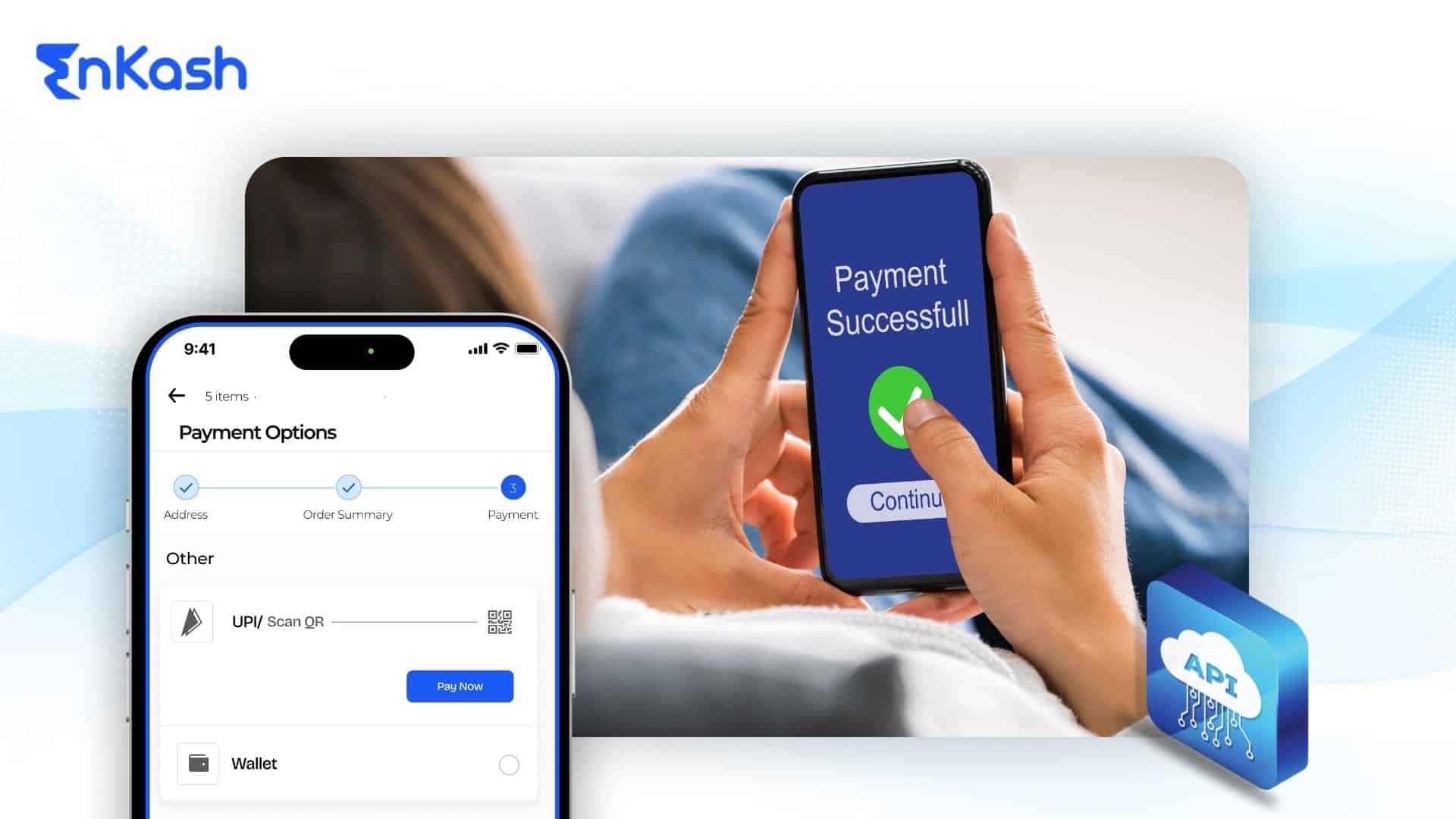
A payment gateway is a tool that helps businesses accept digital payments. When a customer pays using UPI, a card, net banking, or a digital wallet, the payment gateway checks the details, confirms the payment with the customer’s bank, and then sends the money to the business.
Payment gateways can be integrated into websites, mobile apps, billing systems, POS devices, or shared through links and QR codes. They make it possible for businesses to accept payments securely without managing bank connections or compliance requirements on their own.
Integrate Best Payment GatewayWhat are Digital Payments?
Digital payments are transactions where money is transferred electronically instead of using cash. The customer pays through methods like UPI Payments, cards, net banking, QR codes, or digital wallets. The money moves from the customer’s bank account to the business’s account through a secure online system.
These payments can be made in stores, on websites, inside mobile apps, or even through a link shared on WhatsApp or SMS. Digital payments make transactions faster, reduce the need for cash handling, and give both the customer and the business a clear record of every payment.
How Digital Payments Work?
Digital payments move money from the customer to the business through a secure online process. Here is how it works in a basic way:
- Customer chooses a payment method
The customer selects UPI, card, wallet, net banking, or any available option.
- Payment details are entered or verified
This could be scanning a QR code, confirming a UPI request, entering card details, or clicking a payment link.
- The payment system checks the details
The payment gateway or bank verifies whether the customer has enough balance and if the transaction is valid.
- The bank approves or declines the payment
If everything is correct, the bank approves the payment.
- Money is transferred
The amount is sent from the customer’s bank to the business’s account. This may happen instantly (UPI) or within a standard settlement cycle.
- Both sides get a confirmation
The customer and the business receive a notification, SMS, or email confirming the payment.
This entire process usually completes in a few seconds and creates a clear record of the transaction for both sides.
Modes of Digital Payments
Businesses in India can accept digital payments through various methods. Each method works slightly differently and is useful in different situations. The main modes are:
1. UPICustomers can pay by scanning a QR code, sending a UPI request, or using their UPI ID. It is fast, simple, and widely used for small and large payments.
2. CardsCustomers can pay using debit cards, credit cards, or prepaid cards. These payments can happen through swipe machines, tap-and-pay, or online checkouts.
3. Net BankingCustomers log in to their bank account online and approve the payment. This is commonly used for bills, services, and larger purchases.
4. Payment LinksBusinesses can send a link by WhatsApp, SMS, or email. The customer clicks the link and pays using any method available on the link.
5. QR CodesA business displays a QR code at the counter or online. Customers scan it and pay instantly using UPI apps or wallet apps.
6. Digital WalletsApps like PhonePe Wallet, Amazon Pay, or other payment apps with wallet features let customers store money and pay easily without using bank details for every transaction.
Digital Wallet Payments and Their Role
Digital wallets are apps where customers can store money and use it to pay quickly without entering bank details each time. They work like a small digital balance that can be used for shopping, recharges, bill payments, subscriptions, and everyday expenses.
For businesses, digital wallets help in several ways:Faster checkoutPayments happen instantly, which reduces waiting time and lowers the chance of drop-offs.
Useful for repeat customersPeople who buy frequently can pay faster since the wallet balance is already available.
Supports refunds and offersWallets can store cashback, rewards, vouchers, and make refunds simpler for customers.
Works online and offlineWallets can be used inside apps, on websites, or by scanning a QR code at a store.
Read More: What is Wallet as a Service?
How EnKash Helps Businesses With Wallet Payments
EnKash provides a co-branded digital wallet infrastructure that businesses can use to offer their own wallet to customers. This helps businesses:
- Allow users to load money through UPI, cards, or net banking
- Offer faster checkouts inside their app or website
- Manage refunds, rewards, and payouts in one place
- Track every transaction through a secure, RBI-regulated and licensed payment infrastructure
- Customise wallet limits, controls, and user journeys based on their business model
For businesses that want to build a smooth payment experience without creating everything from scratch, EnKash’s wallet infrastructure provides the backend, compliance, and integrations needed to run a digital wallet safely and efficiently.
Compliance for Digital Payments
Digital payments in India follow certain rules to make transactions safe and reliable. These rules are set by the Reserve Bank of India and apply to banks, payment gateways, and businesses that accept online payments.
Here are the key compliance points:1. RBI Payment Aggregator (PA) Guidelines
Only RBI-approved Payment Aggregators can onboard merchants and handle payment processing. Businesses should use an authorised provider to avoid risks like frozen funds or service issues.
2. Two-Factor Authentication (2FA)
Online card payments must be verified using OTP or another secure method. This helps prevent fraud and unauthorised transactions.
3. PCI DSS for Card Payments
PCI DSS is a security standard for handling card data. If a business uses a certified payment gateway, most of the compliance work is handled by the gateway. The business must ensure no card details are stored on its own systems.
4. UPI Rules and Interchange FeesUPI is free in most cases, but some merchant categories and transaction types may have interchange fees, as defined by NPCI and applicable guidelines. This depends on the business type and the payment service provider.
5. Settlement TimelinesRBI guidelines prescribe settlement timelines for intermediaries, and most providers settle within T+1 to T+3 working days, depending on the arrangement and payment method. Some payment methods like UPI may settle faster depending on the provider.
6. Customer protection rulesBanks and payment providers must offer clear dispute resolution, alerts, and refund timelines. This ensures customers and businesses get clear tracking of payments.
Following these rules helps businesses stay compliant, avoid payment delays, and maintain customer trust.
Conclusion
Digital payments have become an essential part of how businesses collect money today. With options like UPI, cards, wallets, payment links, and online checkouts, it is easier for customers to pay in the way they prefer. For businesses, these systems help reduce manual work, speed up collections, and keep records clear.
Choosing the right payment method depends on the type of business and how customers prefer to pay. Understanding basic concepts like payment gateways, digital payment flows, compliance rules, and settlement timelines helps businesses set up a reliable and secure payment process.
As digital adoption continues to grow, having a simple and trusted payment setup is now a basic requirement for any business.
FAQs
1. What is the safest way to accept digital payments in India?UPI, cards, and QR-based payments processed through RBI-regulated apps or payment gateways are considered safe due to encryption, OTP, and two-factor authentication.
2. Do businesses have to pay charges for UPI payments?Most small and mid-size merchant UPI payments are free. Some business categories may have interchange fees on high-value or high-volume transactions.
3. How long does it take to settle digital payments?For customers, UPI payments are processed almost instantly. For businesses, settlement to the bank account can be instant or within the same day, depending on the provider.
4. What happens if money is deducted but the payment fails?For UPI, the amount usually reverses within 24–48 hours.
Card payments may take a few days, depending on the issuing bank.
5. Can a business accept UPI, cards, and wallets together?Yes. Using a payment gateway allows businesses to accept multiple payment modes through a single setup.
6. What is PCI DSS and does every business need it?PCI DSS is a security standard for card payments. If a business uses a certified payment gateway and does not store card details, most PCI requirements are handled by the gateway.
7. Are payment gateway charges fixed for all transactions?No. Charges vary based on payment method, business category, transaction value, and settlement speed. GST is applied on top of these charges.
8. Can businesses accept international card payments?Yes, most payment gateways support Visa, Mastercard, and Amex international cards. These transactions usually have higher charges.
9. Are digital wallet payments still relevant when UPI is available?Yes. Wallets support faster repeat payments, refunds, cashback, and app-based purchases. They are useful for subscriptions and controlled spending.
10. How can a business start accepting digital payments?A business can sign up with an authorised payment gateway, complete basic verification, and start accepting UPI, card, wallet, and link-based payments through QR codes, links, or website/app integration.