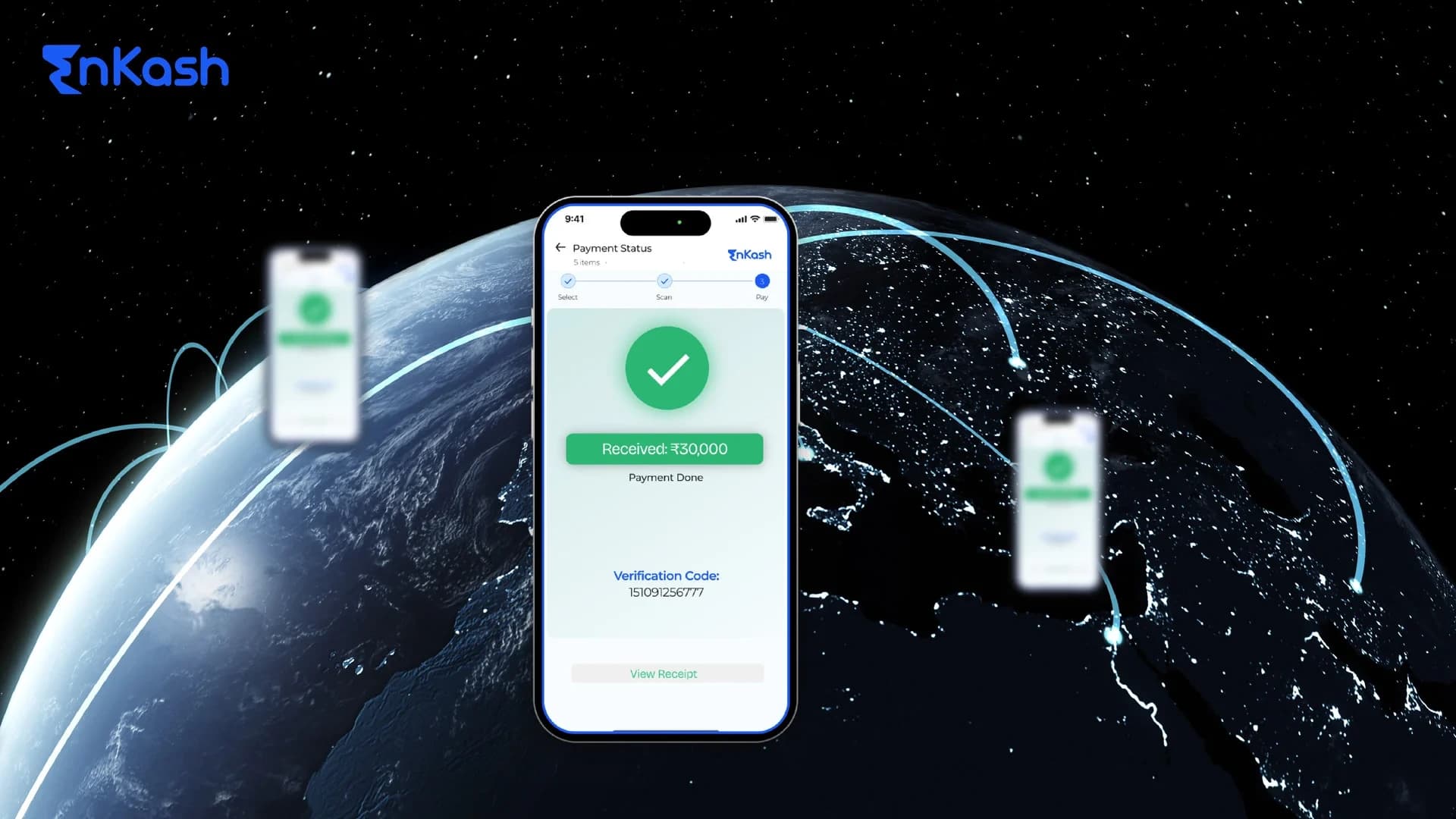
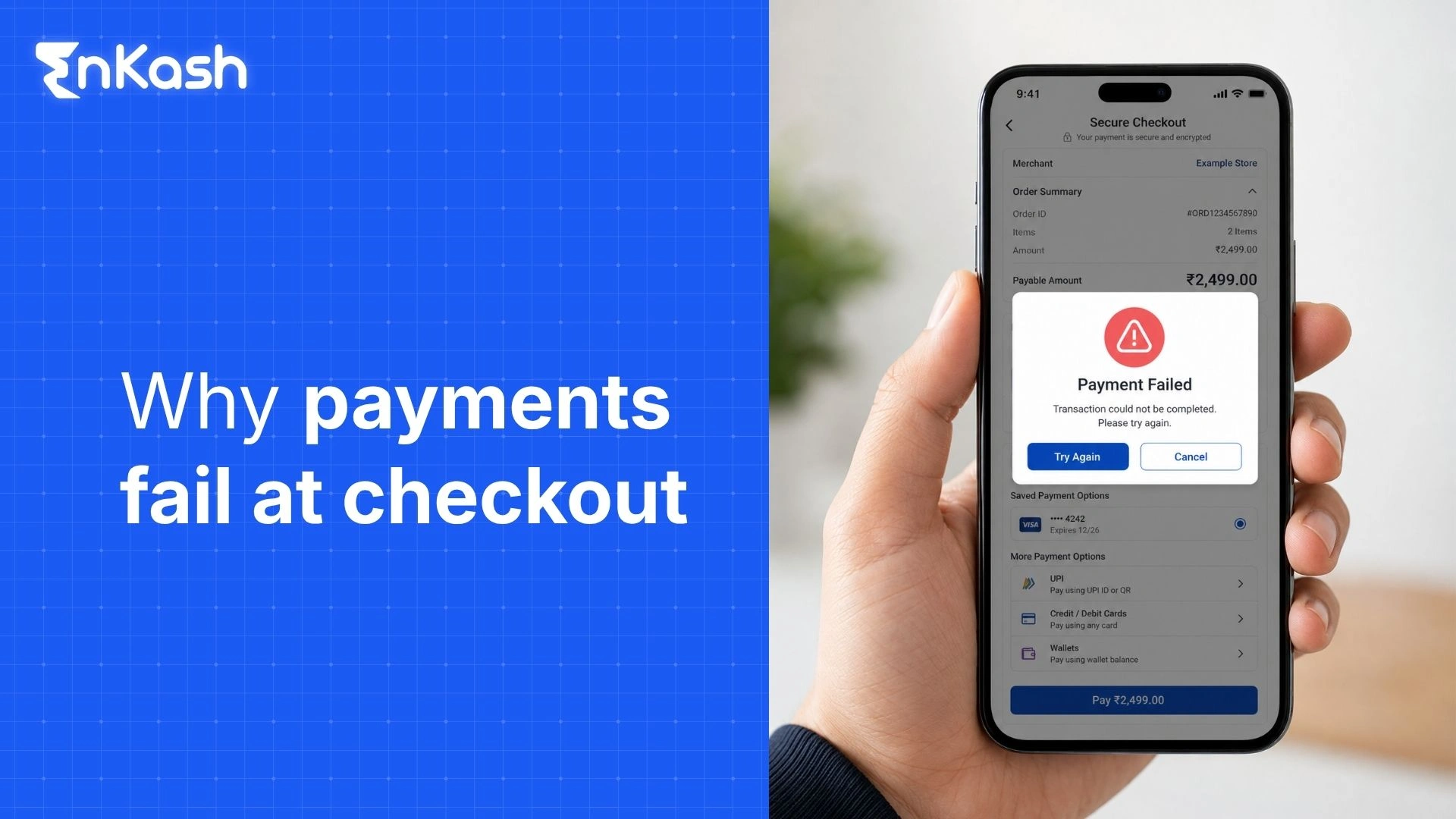
Businesses are no longer restricted to local markets, especially in the web-connected world. E-commerce and globalization have enabled companies to serve international customers and have made a new and growing platform for international payment acceptance possible. You will need to accept payments from international customers to grow your business. However, managing cross-border transactions involves knowing the global payment gateways and how they can become difficult. In this blog, we will understand how international payment gateways function, how you should choose the right one, and what companies can and cannot do with international payment gateways. From protecting transactions to lowering costs, we will discuss how international payment gateways can be leveraged to enable enterprises to grow globally and increase customer loyalty.
What are International Payment Gateways?
A global payment gateway is a service where businesses get online payments from their customers all around the world. Such payment gateways safely process payments by relaying payment data from one bank to the other so that a transaction is conducted safely. Global payment gateways process multiple currencies and payment types to let businesses enter the global economy. When global commerce becomes more dynamic, businesses need to get to grips with local payment habits. For instance, the European market uses SEPA payments, while the North American market is dominated by credit or debit card payments. International payment gateways enable companies to receive payment in multiple currencies and different local methods to accommodate customers from around the world.
Why Do Companies Need International Payment Gateways?
There are no more eluding international payment gateways for companies looking to access the world. Here's why:
Global Market Access
Companies are able to move between countries and accept payments anytime, anywhere, using international payment gateways. When customers can pay in their currencies of choice, companies can increase the number of customers. An Indian business, for instance, can sell products to US, European, or Australian customers without worrying about currency conversion or alternative payment methods.
Multi-Currency Support
A major feature of international payment gateways is the fact that they can process multiple currencies. It allows companies to offer easy shopping for customers even with their own currency. Customers love this flexibility; it makes conversion better, and carts are abandoned.
Enhanced Security and Fraud Prevention
Secure payment: both the business and the user value security when making payments. International payment gateways protect financial details with secure encryption, tokenization, and fraud protection. This lowers the chance of fraud and secures the customer data.
Simplified Transactions
Global payment systems save time on getting money. Rather than dealing with multiple processors, organizations only have to use one payment gateway for all the different types of payments. It makes payments much simpler for businesses and consumers and avoids the hassle of having multiple payment gateways.
Regulatory Compliance
International payments must also be considered by the Payment Card Industry Data Security Standard and in-country financial authorities. Payment gateways enable enterprises to stay on top of these regulations and minimize the chances of sanctions and fines.
Improved Customer Experience
Shoppers require ease and convenience in purchase, particularly from foreign retailers. Global payment gateways allow companies an easy checkout experience and multiple payments. This can help to build customer retention, satisfaction, and ultimately sales.
Read more: Cost control
Types of International Payment Gateways
International payment gateways of different types are provided to businesses and can provide various services and capabilities. Let's review the main types of global payment gateways:
Hosted Payment Gateways
A hosted payment gateway will take your customers to a secure payment page to make their payment. Users are taken back to the merchant website when the payment is complete. These gateways are comparatively straightforward to implement and are preferred by businesses with very limited technical background.
Pros:
- Quick to configure and install
- There is no merchant concern with security compliance
- Most of the time, it has fraud detection built in
Cons:
- The customer is routed to a third-party site, which may be frustrating for the customer.
- Limited customization options
Non-Hosted Payment Gateways
Non-Hosted payment gateways: Merchants can accept payments on their website. Payment data is received, encrypted, and passed to the payment gateway for collection. The gateway of this sort has more influence on payment and user experience.
Pros:
- Users stay on the merchant's website during payment
- Customization of the checkout page further
Cons:
- Needs the business to do security compliance (e.g., PCI DSS)
- More complex integration
Payment Service Providers (PSPs)
PSPs are processors that combine different payment services. These sites give merchants multiple payment gateways, and they can receive multiple forms of payment in a single interface. PayPal, Stripe, and Square are some of the more popular PSPs.
Pros:
- Accepts almost all forms of payment
- Simplified payment processing
- Built-in fraud and security protection
Cons:
- High transaction fees compared to other gateways
- Limited control over customization
Direct Payment Gateways
Direct payment gateway: You can make a payment in your account from the merchant's website, get the money right from your account, and put it into the merchant's account. This approach is usually used by high-volume merchants.
Pros:
- Straightforward and frictionless payment system
- Lower transaction fees
Cons:
Read More About: Types of Payment Gateways
What are the Benefits of Using International Payment Gateways?
Cost Efficiency
International payment gateways save companies' transaction charges compared to familiar forms of payment such as cards. Credit and debit card companies are not too inexpensive, but global payment gateways are usually more transparent and competitive in pricing. Companies can save on extra currency exchange fees by having a multi-currency payment gateway.
Increased Conversion Rates
The transaction will improve if you allow international customers to pay in local currency. The customers will also purchase more if they can pay using their preferred payment channel, like a bank transfer or a mobile wallet. Providing a payment gateway that is open to many payment types provides businesses with multiple customer options.
Faster Transactions
Payments are slow across borders if you’re paying via a bank transfer. Payment gateways get paid instantly and, therefore, are quicker to pay the companies. This high-speed processing is a must for international clients and increases cash flow.
Global Expansion
Global payment gateways let companies venture into new regions and don't bother about the local payment scene. Payout gateways, whether the customer is from Asia, Europe, or the Americas, can be a business's solution to process payments using the customer's preferred channel, making international growth accessible and easy.
Scalability
The bigger the business, the more complicated its payment processing needs become. Global payment gateways are scalable and can scale with growing transactions as businesses grow. Most gateways are automated and integrate with accounting systems, so you can make payments in less time.
Best International Payment Gateways
1. PayPal
PayPal is one of the most trusted and established online payment processors globally. It allows businesses to take payments from customers from more than 200 countries and facilitates more than 100 currencies. PayPal is mostly used for B2C and B2B transactions and offers services like invoicing, subscription billing, and mobile payments.
Pros
- Fast processing and good support
- Simple integration with online shops and mobile apps
Cons
- Very expensive transaction fees, especially for international payments
2. Stripe
It is an international payment processing gateway that accepts global payments. It supports more than 135 currencies and features such as recurring payments, subscriptions, and powerful APIs for integration with eCommerce systems.
Pros
- Accepts payment methods from credit cards, debit cards, and mobile wallets
- Highly customizable and developer-friendly
Cons
- Can't use everything without technical know-how
- Poor customer support in some countries
3. Square
Square is one of the most prominent cross-border payment services for small businesses to accept both online and offline payments. It also accepts foreign payments and offers inventory management, customer data analysis, and POS integration features for users.
Pros
- Easy to configure and use
- Pay-per-use transactions with no monthly fees
Cons
- Inaccessible in some countries compared to other gateways
- Small transactions have an expensive transaction fee
4. 2Checkout
2Checkout is an international payment processor that accepts payments online in more than 200 markets and 87 currencies. It's mainly preferred by companies seeking to sell online, worldwide, and features fraud protection, recurring billing, and integration with e-commerce sites.
Pros
- Supports more than 87 currencies and local payment channels
- Offers an agile and scalable platform for companies of all sizes
- You have a fraud detection and security service
Cons
- High transaction charges for payments abroad
- Customers are complaining about the support
5. Adyen
It is an ideal international payment processing system for your needs. It helps enterprises to accept payments in 150 currencies. It accepts various payment types, from credit cards to bank transfers and mobile wallets, and is integrated with e-commerce sites.
Pros
- Worldwide coverage with more than 150 supported currencies
- Great fraud protection and advanced analytics
Cons
- Sophisticated fee structure, which is hard to comprehend for small businesses
- Technical integration is required
6. Wise
Wise is best known for its cheap international money transfers but also has a business account service for international payments. It's available in multiple currencies, and merchants receive payment via local bank details in other countries.
Pros
- Simple interface and instant transfers
Cons
- Competitive exchange rates and fees for cross-border transfers
| Payment Gateway | Description | Pros | Cons |
|---|
| PayPal | Global payment gateway for online payments, invoicing, subscriptions, and cross-border transactions. | Easy to use, widely accepted, supports multiple currencies. | International fees can be high. |
| Stripe | Developer-friendly gateway for online payments, subscriptions, cards, wallets, and local payment methods. | Highly customizable, strong APIs, supports many payment methods. | Advanced setup may need technical support. |
| Square | Payment solution for small businesses accepting online and offline payments with POS support. | Simple setup, useful POS tools, no complex basic setup. | Limited availability in some countries. |
| 2Checkout | International gateway for global selling, recurring billing, fraud protection, and eCommerce integrations. | Supports global payments, subscriptions, and fraud protection. | International transaction fees may be high. |
| Adyen | Enterprise payment platform for online, mobile, and in-store payments across global markets. | Strong global coverage, advanced analytics, fraud prevention. | Pricing and setup can be complex for small businesses. |
| Wise | Multi-currency business account for international transfers, payouts, and receiving money globally. | Competitive exchange rates, simple multi-currency management. | Not a full checkout payment gateway. |
When you are trying to make it global, you must select the right international payment gateway. The right solution can make payments easier, cheaper, and boost customer engagement. PayPal, Stripe, and Square are still around, but some newer options like Enkash provide more specialized solutions for businesses on the rise. Each gateway differs in its capabilities, so before choosing one, it is best to consider what your business requires — target markets, payment methods, security requirements, etc. With the right payment gateway, your business can make payments in different currencies and make the most of worldwide sales.
Read More: Best Payment Gateways in India
International Payment Gateway Issues
International payment gateways have their merits and demerits as well. These include:
- Currency Conversion Costs
Despite the multi-currency payment option, gateways have currency conversion costs. Merchants may be charged an exchange rate, and this will eventually reduce their profits. You can avoid this by making sure that your businesses do not ignore your payment gateway service provider's exchange rates and charges.
- Compliance with Local Regulations
Businesses must follow financial laws in different countries. These include tax regulations, AML policies, and data privacy laws such as Europe's GDPR (General Data Protection Regulation). Global payment gateways facilitate this, and companies still have to be 100% compliant with local legislation in every market where they do business.
- Fraud Prevention
Fraud is a real threat to international payment businesses. Payment gateways encrypt transactions and tokenize transactions, and fraud detection mechanisms are also in place. However, businesses still have to keep on top of it and have other fraud-fighting tactics in place, especially when working in vulnerable areas.
- Technical Integration
It is difficult to add a payment gateway to an existing website or e-commerce system for companies without technical knowledge. Most gateways support integration, but still, companies may struggle to provide seamless services on different platforms and devices.
How to choose the best international payment gateway?
When choosing an international payment gateway, companies should take into account the following:
- Transaction Costs
The payment processing fee is one of the primary considerations when choosing a payment gateway. Try to find a gateway with a good price, clear fees, and no transaction fees for cross-border payments.
- Supported Payment Methods
Pay with a payment gateway that suits the mode of payment your customer prefers, such as credit/debit cards, wire transfers, digital wallets, or offline payment channels such as PayPal or Alipay.
- Currency Support
Pick a payment gateway that accepts the currencies of your target markets. This will ensure your customers can pay in local currency, which will provide an easier customer experience and lower conversion friction.
- Security Features
When shopping for a payment gateway, ensure it is secure. You want a provider compliant with PCI DSS and using high-quality encryption and tokenization solutions to secure customer data.
- Customer Support
It's very important to have great customer service, especially when paying over the internet. Be sure to find a payment gateway service provider that provides solid customer support if something goes wrong.
- Integration Capabilities
Be sure the payment gateway works with your current e-commerce, CRM, and accounting software. The more integration, the faster the setup time will be.
Conclusion
Payment gateways are crucial for international businesses that want to connect with their customers across the globe and accept payments at the border. They have a ton of advantages, including efficiency, conversion, customer experience, and security. But there are other issues business owners should take into account, such as the exchange of cash, regional security, and preventing fraud. Using the right global payment gateway, companies can streamline payments, lower costs, and take advantage of the global market. As the world gets increasingly digital, the right international payment gateway will be necessary for any business that wants to survive in the increasingly connected world. Whether you are a start-up looking to go global or a big company that's going global, International payment processing solutions will give you a leg up on long-term success and increase the worldwide revenue potential.
FAQs
What is an international payment gateway?
An international payment gateway helps businesses accept online payments from customers in other countries through cards, wallets, bank transfers, and local payment methods.
How does an international payment gateway support cross-border sales?
It allows businesses to collect payments in different currencies and offer payment methods preferred by customers in specific regions.
What payment methods should a global payment gateway support?
It should support cards, digital wallets, bank transfers, local payment methods, and recurring billing if the business sells subscriptions.
What fees should businesses check before choosing one?
Businesses should review transaction fees, currency conversion charges, chargeback fees, setup costs, monthly charges, and settlement-related fees.
How do international payment gateways manage security?
They use encryption, tokenization, PCI DSS-aligned controls, fraud checks, and risk monitoring to protect payment data and reduce fraud exposure.
What challenges can businesses face with global payment gateways?
Common challenges include currency conversion costs, local compliance rules, chargebacks, fraud risk, settlement delays, and technical integration issues.
How should a business choose the right international payment gateway?
Compare supported countries, currencies, payment methods, fees, security features, integration options, settlement timelines, and customer support.