A PAN helps track and verify financial activity across India and serves as a key tax identity for individuals and entities. A Permanent Account Number links every holder to a unified record, helping banks, investment platforms, and government portals recognise the same profile without confusion. You might update a salary record, open a new account, or complete a high-value payment, and the request for a PAN Card appears right away because institutions rely on consistent identity verification. That single number gives each transaction a trail the system can trust.
This blog explains what a PAN Card means, how the number is structured, why different categories exist and which documents support an application, so readers gain a clear view of the framework that guides financial compliance.
What Is a PAN Card?
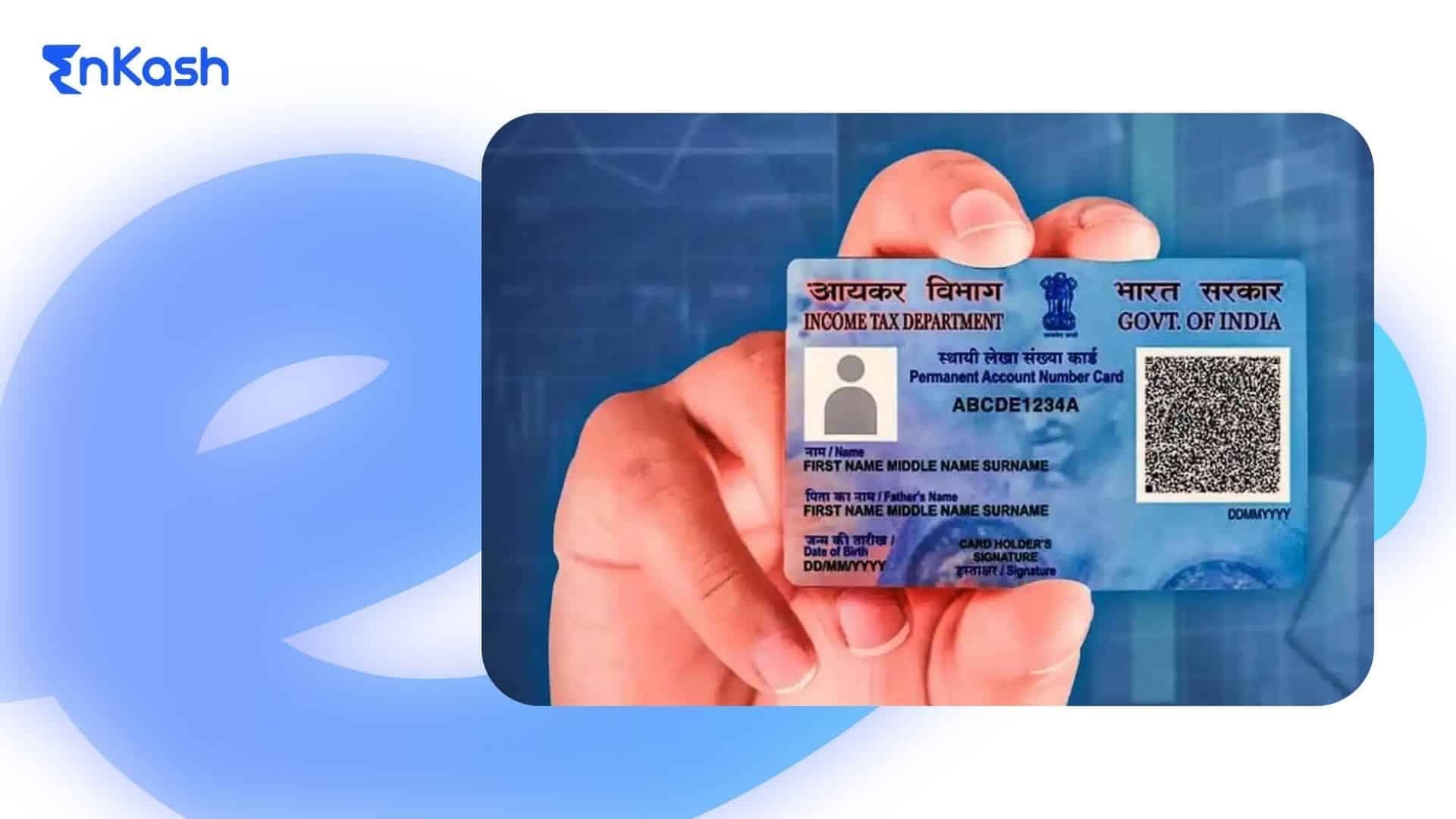
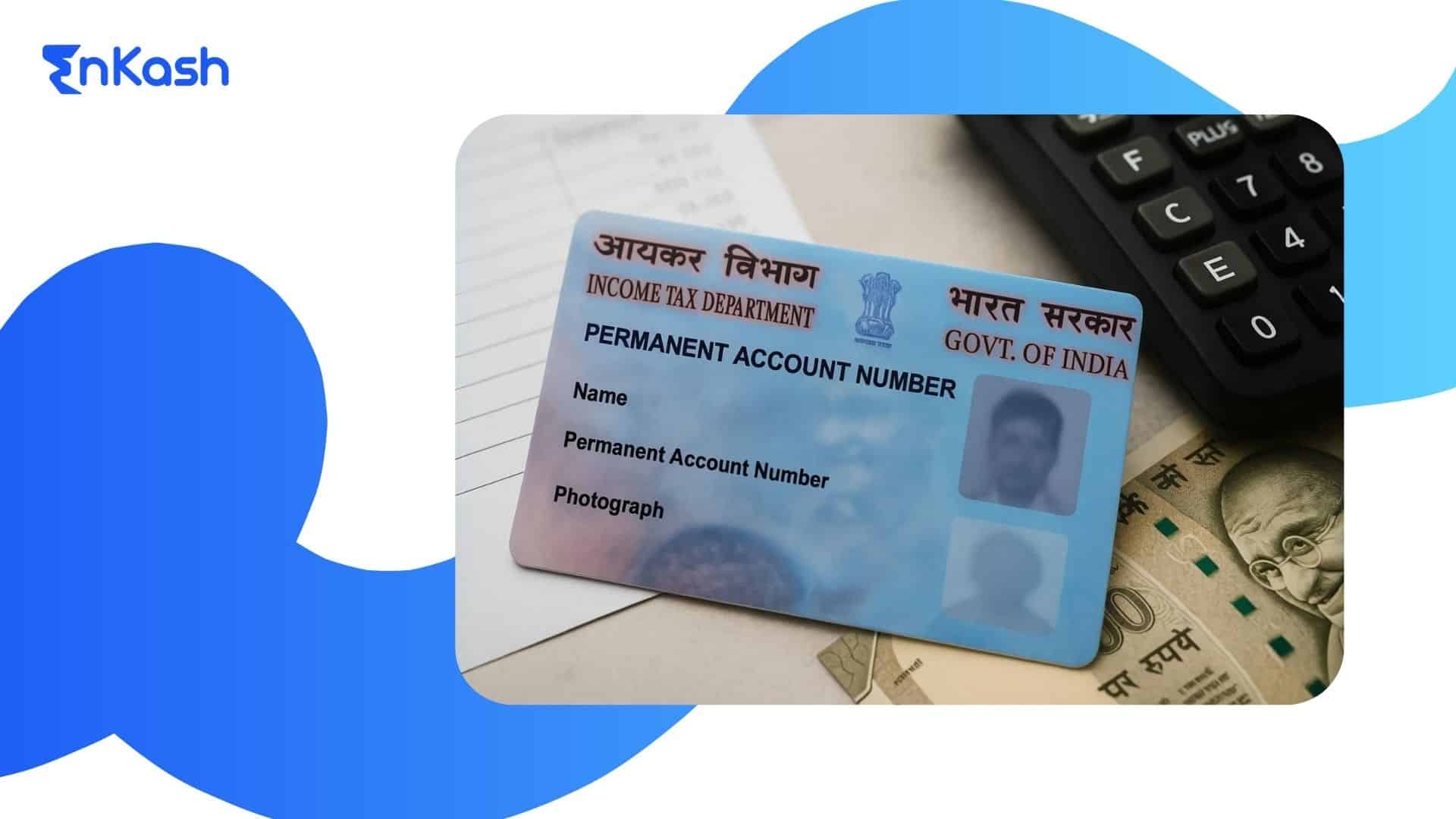
A PAN Card serves as a fixed point of identification for anyone who interacts with the financial system in India. It helps create a traceable link between the holder and every activity that requires reliable verification, ensuring transactions are consistent across banks, investment platforms, and government records. A PAN Card supports clear matching even when a person changes location, employment or service providers, because the number attached to the card stays the same throughout their lifetime. This stability makes the card valuable for individuals and businesses that rely on accurate records.
Permanent Account Number Meaning
A Permanent Account Number is a unique code assigned by the system to a person or entity. It helps track tax-related activity, aligns records across different platforms and reduces confusion during reporting. Each number carries a specific pattern that signals how the details connect to the holder. The meaning goes beyond a simple identifier. It builds a consistent profile that supports compliance across the financial network.
Read more:
How to Link Aadhaar with PAN Card: Process, Status Check, and Latest GuidelinesImportance of PAN Card for Individuals and Businesses
Supports Clear Tax Reporting
A PAN Card helps the system match income with the correct profile. People use it when they file returns, claim refunds or report earnings from different sources. The number ensures that each entry connects to the correct holder, keeping reporting stable across platforms.
Enables Verification for Financial Services
Banks and financial institutions use Permanent Account Number (PAN) mainly for KYC, compliance checks, reporting, and certain high-value transactions. The number serves as a steady anchor point, helping institutions confirm identity without confusion.
Strengthens Compliance for Businesses
Every registered entity needs a valid PAN Card to manage filings, vendor payments, and statutory submissions. The number supports audits and reconciliations by linking financial movements to a single profile, helping maintain clean, consistent records.
Maintains Transparency in High Value Activity
A PAN Card becomes essential when individuals engage in property transactions, capital gains, or large transactions that require meticulous tracking. The number helps agencies observe patterns, match data across systems, and avoid mismatches during verification.
Creates a Unified Financial Identity
The same number follows the holder throughout their lifetime. This continuity enables banks, government portals, and investment platforms to rely on a single identifier, ensuring consistent procedures for individuals and businesses that rely on accurate, connected records.
Uses of a PAN Card
Banking and Account Verification
A PAN Card is required when people open accounts, update details, or complete verification procedures in banks. The number helps institutions match financial activity to the correct profile, supporting clean, accurate records across deposits, withdrawals, and income checks.
Investments and Market Activity
A Permanent Account Number is needed for mutual funds, trading accounts, and Demat profiles. Platforms use the number to link gains, losses, and tax-related entries to the right holder, keeping investment reporting consistent across different services.
Property and High Value Transactions
Buyers and sellers share PAN Card details during registration, payment processing and valuation steps. The number helps agencies confirm identity, track large transfers and maintain transparency during property-related procedures.
Loans, Credit, and Financial Reviews
Lenders request a valid PAN Card before approving loans, credit cards, or refinancing. The number helps them verify identity, assess eligibility, and ensure that the applicant’s records align with regulatory requirements.
PAN may be required for certain foreign exchange transactions and other high-value payments where PAN reporting applies. This helps service providers confirm identity and maintain compliance during high-value activity.
Government and Compliance Processes
A PAN Card supports filings, benefit verification, and procedures on government portals that depend on accurate identification. The number allows the system to recognise a single profile across platforms without creating mismatched records.
Types of PAN Cards in India
Individual PAN
This version is issued to people who manage their personal income, investments, and regular financial activities. The number remains fixed for life, which helps platforms and agencies recognise the same profile wherever the holder interacts with the system.
Hindu Undivided Family PAN
A Hindu Undivided Family receives a dedicated PAN Card that reflects the collective nature of its income and asset-related activity. The number helps the system track filings and records tied to the family unit rather than any single member.
Firm and Partnership PAN
Firms and partnership groups use a specific PAN Card to complete operational payments, handle statutory filings, and manage business transactions. This format ensures that all entries link back to the registered entity.
Company PAN
Registered companies receive a separate PAN card to support their compliance framework. The number helps maintain clarity during audits, tax submissions, and vendor dealings, keeping financial reporting organised.
Trusts, Societies and Associations PAN
Trusts and similar bodies use a format that aligns with their registration type. This helps the system maintain clean records during reviews and statutory checks.
Foreign Citizen and Foreign Entity PAN
Foreign individuals and entities apply for a PAN Card when they have taxable dealings in India. The number helps create a clear trail for income and transactions within the Indian network.
Read more: How to Search GST Number by PAN: Verify Vendors’ GSTIN Quickly
Who Can Get a PAN Card (PAN Applicant Types)
A PAN can be issued to different types of applicants who need a valid tax and financial identifier for transactions, compliance, and reporting in India. The PAN format remains the same across applicant types, but the application form and supporting documents may vary based on who is applying.
1) PAN for Individuals
Individuals can apply for PAN to manage salary income, file income tax returns, open bank and demat accounts, invest in mutual funds, and complete transactions where PAN is required. PAN remains valid for life and does not change even if the person changes job, city, or bank.
2) PAN for Minors
Minors can also have a PAN when investments, bank accounts, or assets are held in their name. In such cases, the PAN is issued to the minor, and guardian/parent details are typically captured in the application for communication and verification. When the minor turns 18, they may update details like signature and contact information through the PAN correction process.
3) PAN for Hindu Undivided Family (HUF)
A Hindu Undivided Family applies for a separate PAN to report and manage income earned by the HUF as a distinct taxable entity. The PAN is allotted in the name of the HUF, and the Karta’s details are used for authentication and compliance activities.
4) PAN for Firms and Partnership Businesses
Partnership firms and other registered firms need a PAN to open a current account, complete tax filings, make vendor payments, deduct TDS where applicable, and maintain compliant business records. The PAN is issued in the firm’s name and is used across business and tax systems.
5) PAN for Companies (Private Limited, Public Limited, LLPs)
Companies and
LLPs require PAN for incorporation-linked compliance, income tax filings,
TDS/TCS reporting,
GST registration linkage, banking, and statutory reporting. The PAN acts as the primary identifier for most financial and tax registrations in India.
6) PAN for Trusts, Societies, and Associations
Trusts, societies, and other non-profit or membership-based entities require PAN to manage donations, grants, bank accounts, tax filings (where applicable), and compliance reporting. PAN is issued in the entity’s registered name and helps maintain clean records during audits and verification.
7) PAN for Foreign Individuals and Foreign Entities
Foreign individuals and entities can apply for a PAN if they have taxable income in India or need to complete financial transactions where a PAN is required (for example, investments or property-related transactions). Foreign applicants typically apply using the relevant form and submit identity and address proofs as per the rules applicable to non-residents.
PAN Number Structure and PAN Identification
A Permanent Account Number follows a fixed pattern that helps the system read and verify details quickly. Each PAN Card carries a ten-character code, and every character plays a defined role in identifying the holder. The combination includes letters and numbers arranged in a sequence that signals the holder's category, the holder's initials, and a unique series that prevents duplication. This pattern remains the same for individuals, businesses, and other entities, keeping verification consistent across platforms.
Alphanumeric Pattern Breakdown
The first five characters are letters. They indicate the nature of the holder, details related to naming conventions and an internal code that supports classification. The next four characters are digits that create a running sequence. This sequence gives the number its uniqueness. The final character is a letter used as a check value to help the system confirm that the entire pattern is valid.
Platforms use the PAN Card format to match a record to the correct profile. When someone completes a transaction, submits documents or updates a financial service, the number helps the system locate the correct identity without confusion. This process reduces mismatches and keeps reporting clean.
Why Consistent Structure Matters
A stable pattern supports the financial ecosystem by providing a single reference point for banks, agencies, and investment services to rely on. The structure strengthens oversight, reduces errors, and ensures that each holder maintains a continuous identity across the network.
Documents Required for PAN Card
A PAN Card application requires documents that help the system verify identity, address, and date of birth. These documents provide a reliable foundation for verification, ensuring that the number issued aligns with a real, traceable profile. The requirements vary slightly depending on the applicant's category, but the core checks remain the same for most individuals.
Proof of Identity
Applicants can submit documents that clearly show their name and photograph. These may include voter identity cards, passports, driving licences or other government-issued records that carry a recognisable image and personal details. The goal is to match the applicant with a document that verifies their identity.
Proof of Address
The system also needs a document showing the applicant's residence. Utility bills, bank statements, passports, property records or government letters can serve this purpose, provided they show the correct and updated address. The document helps agencies maintain accurate regional information for each PAN Card holder.
Proof of Date of Birth
Applicants must present a document that confirms their date of birth. Birth certificates, passports, matriculation certificates or government-issued records help complete this step. The check ensures that the profile reflects accurate age-related details across financial platforms.
Additional Documents for Special Categories
Minor applicants may need guardian details, while Hindu Undivided Families, firms, and companies must provide registration papers or incorporation documents. Foreign citizens and foreign entities submit identity and address proofs valid in their country of residence, along with supporting Indian records. These additions help maintain clarity across diverse applicant categories.
How to Apply for a PAN Card
Select the Correct Applicant CategoryPeople begin by choosing the category that matches their profile. This helps the system place the request under the right classification before verification starts.
Choose the Appropriate FormApplicants pick the form that suits their requirements. The choice depends on whether the applicant is an individual, a foreign citizen or an entity.
Submit Details and DocumentsThe applicant fills in basic information and attaches the required documents. These records support identity, address and date of birth verification for the PAN Card.
Complete Verification and PaymentThe process continues with online or physical verification. Payment is made during submission, and an acknowledgement number is issued for tracking.
Track the application statusThe request moves to review, and the PAN Card is dispatched once all details are confirmed.
Form 49A is used by residents who apply for a PAN Card within India. This form collects personal details, contact information and identity records. It applies to individuals, Hindu Undivided Families, firms and certain other entities registered in India. The structure helps the system verify domestic applicants using a clear, consistent data set.
Foreign citizens submit Form 49AA when they require a PAN Card for taxable activity in India. The form captures international identity records, overseas addresses and supporting documents. This ensures that applicants with foreign profiles can maintain an accurate presence within the Indian financial network.
Applicants who already hold a PAN Card use the correction form to correct spelling errors, update personal details, or request a change due to mismatched records. The form supports changes to name, address, and date of birth, helping maintain clean data across platforms.
Reprint Request for Lost or Damaged Cards
A reprint request is used when the physical card is lost or damaged. The number remains the same, and the system issues a fresh copy after verification. This helps the holder restore access to a valid and usable card without altering their existing Permanent Account Number.
Read more: PAN Card For Business: Everything You Need To Know
PAN for Businesses and Startups
PAN Requirements for New Business Registration
A new business cannot complete most registration steps without a valid PAN Card. The number helps the PAN issuing authority create a traceable identity for the entity, which supports filings, vendor payments and compliance checks. Startups use the number when they open bank accounts, onboard partners and set up financial systems that require verified records.
PAN and GST Relationship
A Permanent Account Number forms the foundation for Goods and Services Tax registration. The system uses the number to build the Goods and Services Tax profile, match filings and track payments. This alignment helps agencies recognise the entity across both tax frameworks, which keeps reporting clean and reduces mismatches during audits.
PAN for Import-Export Code (IEC)
IEC is generally PAN-based for entities, and PAN is used as the primary identifier while applying for IEC. The number helps authorities confirm identity, link cross-border activity with the correct entity and maintain reliable records for customs and regulatory platforms. This creates a stable trail for global transactions.
PAN for Non-Profit Entities
Non-profit organisations also require a PAN Card to manage donations, grants and statutory filings. The number helps maintain clear entries across financial statements and ensures that compliance reviews reflect accurate information. A verified PAN Card brings structure to reporting, which supports transparency and trust for organisations operating in this sector.
PAN Correction and Update Guide
When a PAN Correction Is Required
A correction becomes necessary when the details on a PAN Card do not match the supporting documents. This may happen due to spelling errors, changes in name, or an incorrect date of birth. Correcting these details ensures that PAN identification stays accurate across banks, portals and agencies.
Online PAN Correction Process through NSDL and UTIITSL
Applicants can start the correction process on authorised portals. They select the PAN correction form, enter the correct details, and upload supporting documents. The system reviews the updates and sends the request for verification. This method creates a clear and trackable submission.
Required Documents for PAN Correction
Documents must support the corrected information. Applicants submit identity records, address proofs, or date of birth documents that reflect accurate details. These records help the PAN issuing authority validate the updated information without delays.
How to Track a Correction Request
Once the request is submitted, applicants receive an acknowledgement number. This number helps them track the status of their correction through the same portal. Updates appear as the file moves through review and dispatch stages.
PAN Card Reprint vs Correction – What’s the Difference
A reprint is used when a card is damaged or misplaced, and the number remains unchanged. A correction updates the data within the system. Both processes help maintain a clean and functional PAN Card, yet they serve different purposes.
Common PAN Issues and How to Resolve Them
PAN Not Received After Application
Delays occur when documents need additional checks or when the dispatch cycle is extended. Applicants can use the status tracker on the application portal and check if any clarification is pending.
PAN Not Linking with Aadhaar
Linking may fail when the name, date of birth or other personal details differ between records. Applicants must correct mismatched entries using the PAN correction form or the Aadhaar update process before attempting the link again.
Duplicate PAN Problem
A duplicate PAN Card can appear when a previous application was processed without the holder’s knowledge or when incorrect submissions were made. The applicant must request cancellation of the duplicate number to keep their profile valid.
PAN Card Lost or Damaged
A reprint request solves this problem. Applicants submit the required details, complete verification, and receive a fresh physical card that carries the same Permanent Account Number.
Incorrect PAN Category Used
The issue arises when the category chosen does not match the applicant’s profile. A correction request helps shift the card to the right category, which keeps filings, records, and compliance steps aligned with the correct status.
Conclusion
A PAN Card supports every stage of financial interaction in India, and the structure remains effective because the PAN issuing authority follows a uniform system for verification and record keeping. The number attached to the card strengthens PAN identification, which helps banks, agencies and investment platforms match activity with the correct profile. This consistency protects the holder during transactions, property dealings and compliance checks that need dependable oversight.
Readers who understand the categories, required documents, and the way the number is structured can complete applications with fewer delays. Each detail stays meaningful when the information is accurate across all platforms that rely on a PAN Card. A well-prepared application speeds approvals and makes the entire process smoother for individuals and businesses.
FAQs
1. How does a PAN Card help prevent mismatches during financial verification?A PAN Card gives every holder a fixed identifier that stays consistent across banks, agencies and investment platforms. This prevents mismatches because the system reads the same number each time. Clear PAN identification helps reduce manual checks and lowers the risk of errors during routine reviews or high-value transactions.
2. Why does the financial system rely on a Permanent Account Number for record alignment?A Permanent Account Number helps create uniform trails for income, payments and statutory filings. Each platform uses the same number to match entries, which keeps reporting structured. This alignment helps agencies observe patterns accurately and maintain clean records across a network that handles millions of transactions every day.
3. Can a PAN Card improve the approval speed for banking or investment services?Yes. Banks and investment platforms use a PAN Card to verify identity quickly. When the details match, the system moves the request forward without additional checks. Clean records help reduce delays, which supports smoother onboarding for services such as trading accounts, mutual funds or recurring investment plans.
4. How does the Income Tax Department (CBDT/Income Tax Dept) validate information before issuing the number?The PAN issuing authority, aka the Income Tax Department, reviews identity proofs, address documents, and date of birth records submitted by the applicant. These checks confirm that the details belong to a real and traceable profile. The authority approves the number only after all supporting documents pass verification, which strengthens reliability across financial platforms.
5. What risks arise if a person uses incorrect details on their PAN Card?Incorrect details can disrupt tax filings, delay bank processes and create mismatches during verification. The system may reject requests if the information does not align with other documents. Submitting a PAN correction form helps fix these gaps and restores a stable identity across financial and regulatory platforms.
6. Why do lenders rely heavily on PAN identification during credit evaluation?Lenders use PAN identification to match an applicant with credit history, income records and past repayment patterns. The number creates a single profile across bureaus and financial systems. This helps lenders assess eligibility accurately and prevents confusion that may arise when multiple documents show inconsistent information.
7. How does a PAN Card support cross-platform financial activity?A PAN Card bridges separate services by carrying the same number across banks, investment portals and government platforms. This continuity helps the system track activity without creating duplicate profiles. The result is a smoother flow of information whenever the holder updates details or completes transactions that require verification.
8. What should applicants do if their PAN details appear in unauthorised places?They should verify whether the number has been misused and contact the relevant platforms immediately. Securing accounts, updating passwords and checking recent activity protect the profile. The holder may also review records through official portals to ensure their Permanent Account Number remains associated with legitimate transactions only.
9. Does a PAN Card help non-residents maintain accurate financial records in India?Yes. Non-residents use a PAN Card to manage taxable income, investments or property-related activity in India. The number creates a stable profile that helps agencies connect cross-border entries with the right individual or entity. This maintains accuracy during filings and financial reviews.
10. How does a PAN Card support long-term financial planning?A PAN Card remains unchanged throughout the holder’s lifetime, which allows investment platforms, banks, and agencies to rely on one identity over several decades. This continuity helps maintain clear records for retirement planning, long-term investment,s and systematic reporting that depends on reliable tracking of financial activity.