Digital payments in India have grown rapidly over the past few years, and prepaid cards in India have become one of the easiest and safest ways to manage money. Whether you’re shopping online, paying bills, travelling, or managing business expenses, a prepaid card lets you make secure transactions without linking directly to a bank account. These cards can be preloaded with funds and used anywhere debit or credit cards are accepted. From individuals looking for spending control to companies managing employee payments, prepaid cards offer flexibility, convenience, and financial transparency. In this blog, we’ll explore what prepaid cards are, their benefits, the top 10 prepaid cards in India, and how you can get one easily.
What is a Prepaid Card
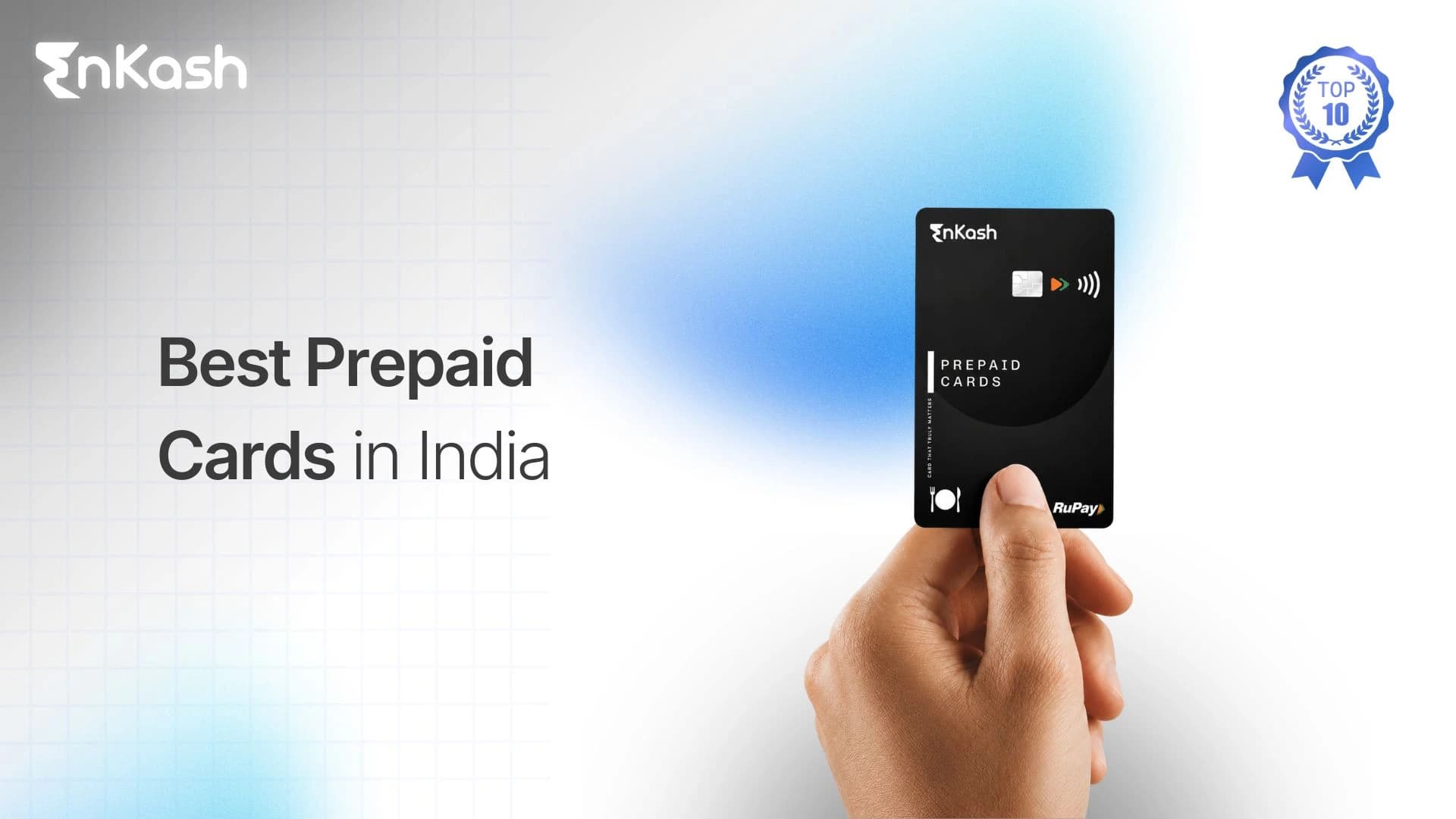
A prepaid card is a payment card that is loaded with money in advance and used to make digital or in-store payments. You can spend only the amount available on the card. Once the balance is used, the card must be reloaded to continue transactions. Prepaid cards work like debit cards but are not linked to a bank account. In India, prepaid cards fall under RBI’s Prepaid Payment Instrument (PPI) framework, which governs how these cards are issued, loaded, and used across banks and authorised non-bank entities. They are commonly used for shopping, bill payments, travel, gifting, and business expenses. Get Prepaid Card
Top Prepaid Cards in India
Prepaid cards are becoming an essential part of India’s digital payment ecosystem. They are widely used by individuals for everyday transactions and by businesses to simplify expense management.
This list includes both bank-issued and fintech-issued prepaid cards that operate under RBI’s PPI framework. Product positioning is based on publicly available features and common use cases across personal and business categories.
The following are the best prepaid cards for Indian businesses.
1. EnKash Prepaid Card
The EnKash prepaid card is built for businesses that want to manage company expenses in a smart and compliant way. It allows organizations to issue cards to employees, teams, or departments for travel, vendor, or operational expenses. The card operates on an RBI-licensed PPI and payment platform, ensuring regulatory compliance and strong data security. Key Features:
- Available in both physical and virtual formats
- Smart controls and real-time expense tracking
- Instant reload through connected accounts
- Suitable for startups, SMEs, and enterprises
Apply Now for EnKash Prepaid Cards
2. HDFC Prepaid Card
The HDFC prepaid card offers several options, such as travel, gift, and business cards. It is accepted across all major merchant outlets and online platforms. The HDFC gift card is one of the most popular gifting options in India, and customer support is available through HDFC customer care. Key Features:
- Multiple prepaid options (gift, business, and travel)
- Easy online management and reload
- Strong security and support services
3. Volopay Prepaid Card
Volopay provides prepaid cards designed for startups and growing businesses. These cards help companies automate expense tracking, reimbursements, and approvals through a single dashboard. Key Features:
- Virtual and physical business cards
- Real-time visibility of spending
- Integration with accounting tools
4. ICICI Bank PayDirect Card
The ICICI Bank PayDirect prepaid card is used for salary disbursements, reimbursements, and incentive payouts. It can be easily reloaded and is accepted at ATMs and POS terminals across India. Key Features:
- Ideal for corporate payouts and employee benefits
- Secure chip-based card
- Reloadable and widely accepted
5. OmniCard
OmniCard is a prepaid card platform licensed by the RBI that offers digital payments for individuals, parents, and businesses. It is RBI-licensed and known for its simple app interface and controlled spending features. Key Features:
- Works for online and offline transactions
- Useful for gifting, allowances, and student budgets
- Controlled spending through the OmniCard app
6. Happay Card
The Happay prepaid card simplifies business expense management. It allows companies to issue prepaid cards to employees and monitor every spend in real time. It integrates with accounting systems to help automate financial reporting. Key Features:
- Expense tracking and automation
- Real-time spending visibility
- Corporate control and easy reconciliation
7. Bank of Baroda Prepaid Card
The Bank of Baroda prepaid card is suitable for both personal and business use. It can be used for shopping, travel, and ATM withdrawals. Key Features:
- Easy to use and reload
- Secure chip and PIN protection
- Wide merchant acceptance
8. SBI Business Prepaid Card
The SBI Business prepaid card is designed for corporate payments and employee benefits. Companies can issue cards to multiple users and track their spending through a central account. Key Features:
- Ideal for salary, travel, and vendor payments
- Real-time tracking via SBI’s online portal
- Accepted across POS and e-commerce sites
9. Axis Bank Prepaid Card
Axis Bank offers prepaid cards for individuals and corporates. The cards can be used for shopping, gifting, and travel purposes. Key Features:
- Available in gift, travel, and multi-purpose options
- Instant reload via Axis Bank channels
- Chip-enabled for secure transactions
10. Yes Bank Prepaid Card
Yes Bank offers multiple prepaid options, including Gift, Payroll, and Travel Cards, suitable for both personal and business use. It can be used for gifting, payroll, or incentive programs and supports quick fund transfers. Key Features:
- Customizable prepaid options
- Fast reload and balance check
- 24×7 customer support
Best Prepaid Cards in India
| Prepaid Card | Issuer / Platform | Type | Key Features | Ideal For |
| EnKash Prepaid Card | EnKash (RBI-licensed PPI) | Business / Corporate | RBI-approved, physical & virtual cards, expense tracking dashboard, instant reloads | Businesses, startups, teams, vendor payments |
| HDFC Prepaid Card | HDFC Bank | Personal / Business | Gift, Travel & Business Money Cards, wide merchant acceptance, 24×7 HDFC customer care | Personal gifting, travel, and employee payouts |
| Volopay Prepaid Card | Volopay (with Yes Bank & Visa) | Business | Smart cards for company expenses, app-based controls, and accounting integrations | Startups, finance teams, corporate spending |
| ICICI PayDirect Card | ICICI Bank | Business | Reloadable prepaid card, salary and reimbursement disbursement, ATM & POS use | Employee salaries, incentives, reimbursements |
| OmniCard | OmniCard (RBI-licensed PPI) | Personal / Youth / Business | App-linked prepaid card, controlled spending, real-time tracking | Students, freelancers, digital shoppers |
| Happay Prepaid Card | Happay (with Yes Bank / SBM Bank) | Business | Expense management, real-time visibility, policy-based limits | Corporate expense automation |
| Bank of Baroda Prepaid Card | Bank of Baroda | Personal / Travel | Gift & TravelEasy cards, chip-based security, easy reload | Retail customers, travelers |
| SBI Business Prepaid Card | State Bank of India | Business | Multi-user card issuance, central control, 24×7 balance tracking | Corporates, SMEs, institutions |
| Axis Bank Prepaid Card | Axis Bank | Personal / Business | Insta Easy, Gift & Travel cards, online reload, strong security | Individuals, employees, corporate gifting |
| Yes Bank Prepaid Card | Yes Bank | Personal / Corporate | Payroll, Gift & Travel cards, quick fund transfer, and a wide network | Corporate disbursements, general spending |
Evaluation Criteria for Prepaid Cards
Prepaid cards in India are issued under different regulatory structures and are built for very different use cases. To ensure this list is useful and reliable, the selection is not based on popularity alone or promotional claims. Each prepaid card included here has been evaluated using practical, compliance-led criteria aligned with how prepaid cards are actually used in India today.
The first consideration was regulatory compliance. All cards on this list are issued by RBI-authorised banks or licensed non-bank PPI issuers. This ensures that the cards operate within India’s Prepaid Payment Instrument framework, including mandatory KYC requirements, balance limits, and permitted usage.
The second factor was intended use case clarity. Some prepaid cards are designed for consumer gifting or travel, while others are built for structured business spending, payouts, and expense control. Cards that clearly serve a defined purpose, such as employee expenses, corporate payouts, or personal spending control, were prioritised over generic offerings.
KYC flexibility and limits were also considered. In practice, prepaid card adoption is heavily influenced by whether a card supports minimum KYC or full KYC, the maximum balance allowed, and features such as ATM withdrawals or UPI linking. Cards that offer transparent limits and upgrade paths were ranked higher for usability.
Another key criterion was reload and settlement reliability. Cards that support instant or near-real-time reloads through UPI, net banking, or bank transfers are more practical for both individuals and businesses. For corporate use, the ability to manage multiple cards from a central dashboard and track transactions in real time was an important differentiator.
Acceptance network and usability also played a role. Cards that work seamlessly across major card networks such as Visa, RuPay, or Mastercard, and are accepted at online platforms, POS terminals, and service providers across India, offer greater day-to-day reliability.
Finally, the list reflects market adoption and operational maturity. Issuers with proven usage across personal, corporate, or institutional segments, along with stable customer support and ecosystem integrations, were preferred over limited or experimental offerings.
This methodology ensures that the Top 10 prepaid cards listed here represent a balanced mix of personal and business solutions that are compliant, practical, and aligned with real-world payment needs in India.
Benefits of Using Prepaid Cards
Prepaid cards are now a widely used, secure way to make payments in India. They help both individuals and businesses manage spending while reducing the need for cash. Below are some of the main benefits of using prepaid cards.
1. Easy to Use
Prepaid cards work just like regular debit or credit cards. You can use them to shop online, make in-store payments, or withdraw cash from ATMs. Once the card is loaded with money, it is ready for use immediately.
2. Safe and Controlled Spending
A prepaid card allows you to spend only the amount loaded on it. This helps control expenses and reduces the risk of overspending. For businesses, prepaid cards such as EnKash corporate cards make it easier to allocate budgets and track every transaction in real time.
3. Widely Accepted
Prepaid cards are accepted at most online platforms, retail stores, and service outlets across India. Whether you are paying bills, booking tickets, or shopping, you can use them almost anywhere.
4. Useful for Gifting and Employee Payments
Gift cards are a simple way to give digital rewards, while business prepaid cards help manage employee reimbursements and vendor payments. Platforms like EnKash offer prepaid card solutions that simplify payouts and make tracking easier for companies.
5. No Bank Account Needed
Many prepaid cards, especially those issued by licensed PPI providers, do not require you to open a bank account or undergo a credit check. You usually just complete a simple KYC process. This makes them a good option for students, freelancers, and gig workers who prefer flexible digital payments.
6. Reload Anytime
Most prepaid cards can be reloaded instantly using UPI, debit cards, or net banking. Users can also check balances and transaction history online or through mobile apps.
7. Enhanced Security
Prepaid cards come with features such as PIN protection, OTP verification, and card blocking options. These make them safer for both online and offline payments.
How Prepaid Cards Are Actually Used in India Today
In everyday use, prepaid cards in India serve very different purposes depending on who is using them and why. While they are often grouped as a single category, real-world adoption shows a clear split between personal convenience use cases and structured business payment flows.
For individuals, prepaid cards are commonly used for controlled spending. Parents issue them to students for monthly allowances, travellers use them to manage foreign currency exposure, and consumers rely on gift or multi-purpose cards for online shopping, subscriptions, and bill payments. The fixed balance helps limit overspending, while card network acceptance allows these cards to function like regular debit cards without direct bank account linkage.
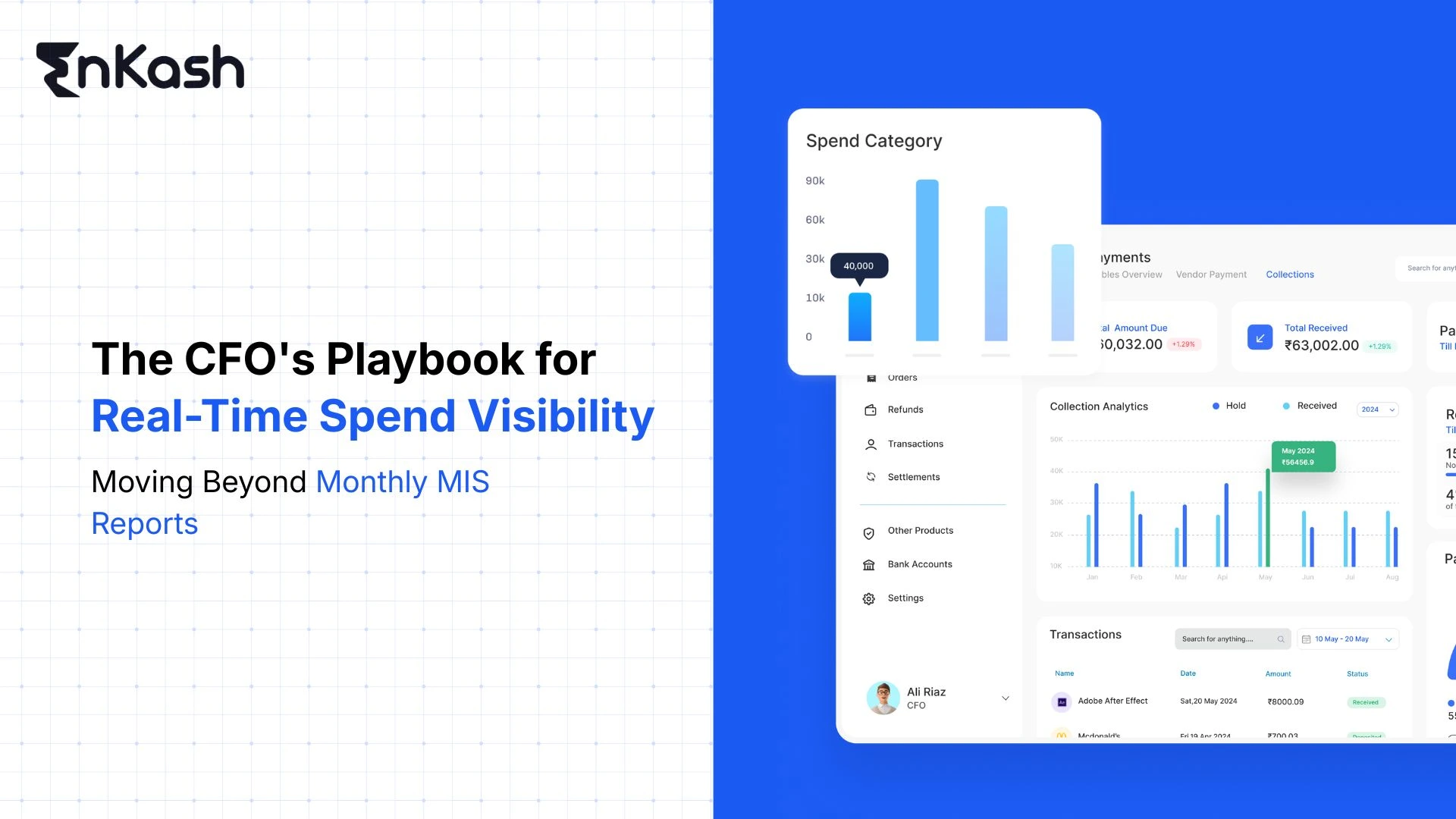
In businesses, prepaid cards are used less as a payment alternative and more as a spend management tool. Companies issue prepaid cards to employees for travel, fuel, petty cash, and operational expenses instead of reimbursing costs later. This allows finance teams to pre-allocate budgets, set category or merchant-level controls, and track every transaction in real time. For growing teams and multi-location businesses, prepaid cards reduce cash handling, eliminate manual reimbursements, and improve audit readiness.
Prepaid cards are also widely used for payouts and disbursements. Organisations rely on them for incentives, sales commissions, contractor payments, and short-term workforce payouts where opening bank accounts is inefficient. In these cases, reload speed, KYC limits, and settlement reliability matter more than card design or branding.
From an operational perspective, usage is shaped by RBI PPI guidelines. Minimum-KYC cards are typically used for low-value, controlled spends, while full-KYC prepaid cards support higher balances, ATM withdrawals, and UPI linking. Businesses and consumers often choose cards based on these limits rather than on issuer name alone.
In practice, prepaid cards work best when the goal is control, visibility, and simplicity. They are not intended to replace savings accounts or complex payment systems. Instead, they fill a specific gap in India’s digital payments landscape where flexibility, spend limits, and compliance need to work together.
Where Prepaid Cards May Not Be the Right Choice
Prepaid cards solve very specific problems. In practice, they are not the best tool in every payment scenario. Based on how they are actually used across businesses and individuals, here are situations where prepaid cards tend to fall short.
- Long-term fund holding or savings Prepaid cards are meant for spending, not storing money. They do not earn interest, and most issuers discourage keeping large balances idle. If the goal is to park funds or manage savings, a bank account is the more practical option.
- High-value or continuous vendor payments Spending limits, reload caps, and KYC-based balance restrictions can make prepaid cards inconvenient for large or recurring vendor settlements. In these cases, direct bank transfers or API-led payout systems offer more flexibility.
- Complex payment workflows Prepaid cards are not designed for scenarios involving dynamic pricing, split payments, escrow arrangements, or multi-party settlements. Businesses operating these models usually outgrow card-based spending and move to bank or gateway integrations.
- Heavy reliance on issuer dashboards Day-to-day control depends on the issuer’s platform for limits, approvals, and reporting. If the dashboard does not align well with internal finance processes or accounting systems, teams often end up duplicating work.
- Advanced banking needs Even full-KYC prepaid cards have limitations. Features such as overdrafts, cheque facilities, bulk inward credits, or custom banking workflows are not supported, which can be restrictive for mature businesses.
- Situations requiring unrestricted liquidity Prepaid cards work best with predefined budgets. When teams need unrestricted access to funds or frequent ad-hoc payments, traditional bank accounts or corporate current accounts are usually easier to operate.
Prepaid cards are most effective when the objective is control, visibility, and disciplined spending. When scale, flexibility, or long-term fund management becomes the priority, businesses typically rely on other financial tools alongside or instead of prepaid cards.
How to Get a Prepaid Card in India
Getting a prepaid card in India is simple and can be done either online or at a bank branch. Most prepaid cards are issued by RBI-licensed banks and fintech platforms, and the process is quick with minimal documentation. Here’s a step-by-step guide on how to apply: Step 1: Choose the Right Prepaid Card Select a prepaid card that suits your needs.
- For personal use, options like HDFC Gift Card, Axis Bank Prepaid Card, or OmniCard are ideal.
- For business and team expenses, solutions like EnKash Prepaid Card, Volopay, or Happay are more suitable.
Step 2: Complete KYC Verification All prepaid cards in India are regulated under RBI’s PPI (Prepaid Payment Instrument) guidelines, which require Know Your Customer (KYC) verification.
These guidelines define KYC levels, balance limits, reload permissions, and whether features like ATM withdrawal or UPI linking are allowed.
You can submit documents such as:
- PAN card
- Aadhaar card
- Proof of address
KYC can be completed online or at the nearest branch, depending on the issuer. Step 3: Load Money onto the Card Once your card is approved, you can load funds instantly through:
- UPI or net banking
- Debit card
- Bank transfer
Most cards support instant reloads, and the balance is visible in real time through the provider’s app or portal. Step 4: Start Using the Card After activation, the card can be used for:
Some cards, like those from EnKash or Happay, also come with dashboard access for expense tracking, policy control, and spending reports. Step 5: Manage and Reload Anytime Prepaid cards can be reloaded 24×7 through mobile apps or internet banking. Customer support from issuers such as HDFC Bank, Axis Bank, SBI, ICICI Bank, and licensed fintech platforms is available for assistance.
Uses of Prepaid Cards in Real-World Scenarios
Prepaid cards in India are used when the priority is control, traceability, and ease of distribution, rather than long-term money storage. Below are the most common real-world scenarios where prepaid cards are actively used today.
1. Everyday Online and In-Store Purchases
For individuals who want controlled digital spending, prepaid cards are commonly used for online shopping and point-of-sale payments. These cards work across e-commerce platforms and physical stores that accept Visa, RuPay, or Mastercard. Because the balance is preloaded, users avoid overspending while still getting the convenience of card payments.
2. Utility Bills, Subscriptions, and Recharges
Prepaid cards are frequently used for recurring expenses such as electricity bills, mobile recharges, broadband payments, and OTT subscriptions. This is especially useful when users want predictable monthly spending without exposing their primary bank account. Many issuers allow recurring debits as long as sufficient balance is maintained on the card.
3. Employee and Corporate Expense Management
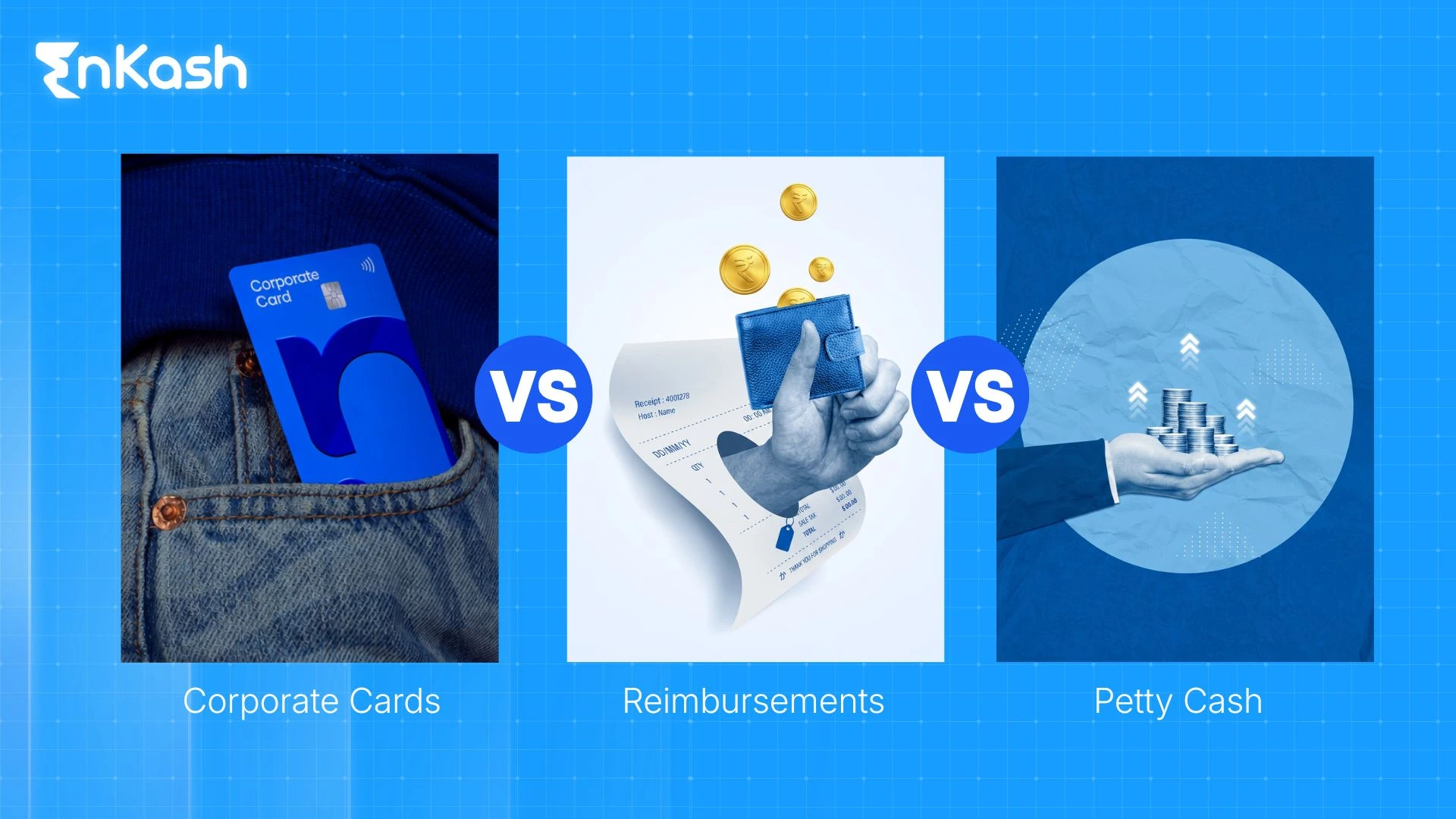
In business environments, prepaid cards are widely used to replace cash advances and manual reimbursements. Companies issue cards to employees for travel, fuel, meals, or operational expenses and set predefined limits or usage rules. Platforms such as EnKash, Happay, and Volopay allow finance teams to track every transaction in real time, improving visibility, compliance, and audit readiness.
4. International Travel and Forex Spending
Banks issue prepaid travel cards for customers travelling abroad who want to avoid fluctuating exchange rates and high foreign transaction fees. Cards from HDFC Bank, Axis Bank, and ICICI Bank typically support multiple currencies and are accepted internationally, making them suitable for travel, accommodation, and overseas purchases.
5. Gifting, Incentives, and Rewards
Prepaid gift cards are commonly used for personal gifting and corporate reward programs. Organisations use them for employee recognition, festive gifting, or customer incentives because they are easy to distribute and simple to track. Banks such as State Bank of India and Bank of Baroda offer widely accepted gift card options for these purposes.
6. Student Allowances and Family Spending Control
Parents often issue prepaid cards to students or family members to manage allowances securely. These cards allow spending limits, transaction alerts, and usage tracking without giving access to a bank account. Solutions like OmniCard are commonly used in this scenario to balance independence with oversight.
7. Vendor, Freelancer, and Gig Payments
Businesses also use prepaid cards to pay freelancers, contractors, and short-term workers. This is particularly useful when quick payouts are required without setting up individual bank transfers. Prepaid cards simplify disbursements, reduce cash handling, and make reconciliation easier for finance teams.
In practice, prepaid cards are chosen when spend limits, distribution speed, and transaction visibility matter more than traditional banking features. This is why they remain a critical tool across personal finance, travel, and business operations in India’s digital payments ecosystem.
Conclusion
Prepaid cards have become an important part of India’s move toward digital and cashless payments. They offer much of the flexibility of a debit card, often without needing a bank account, and give users complete control over how much they spend. From individuals managing daily expenses to companies tracking business payments, prepaid cards make financial management easier and more transparent. With trusted providers like EnKash, HDFC Bank, Axis Bank, ICICI Bank, SBI, Volopay, Happay, OmniCard, Yes Bank, and Bank of Baroda, users can choose from a wide range of secure and compliant prepaid solutions. Whether you need a card for shopping, travel, gifting, or managing team expenses, prepaid cards offer a simple, safe, and reliable way to pay and get paid in India.
FAQs
1. What is a prepaid card, and how does it work? A prepaid card is a payment card that you load with money before using it. Once loaded, it can be used for shopping, bill payments, and travel. The card balance decreases with every transaction, and you can reload it anytime. 2. Can I get a prepaid card without a bank account? Yes. You can apply for a prepaid card without a bank account. Providers such as EnKash, OmniCard, and Volopay issue prepaid cards after completing a simple KYC process. 3. Which prepaid card is best in India right now? The best prepaid card depends on your needs. For business use, EnKash, Volopay, and Happay are preferred, while for personal use, HDFC, Axis, and ICICI offer top-rated options. 4. What documents are required to get a prepaid card? You need basic KYC documents such as:
These documents are required under the RBI’s Prepaid Payment Instrument (PPI) guidelines. 5. Can I use a prepaid card for UPI payments? Yes. RBI allows UPI to be linked with full-KYC prepaid cards (PPIs) issued by banks and authorised non-bank PPI issuers. Many issuers now let users link these prepaid cards to UPI apps for seamless digital payments. 6. What is the maximum limit for prepaid cards in India? As per RBI rules, the spending limit depends on KYC completion:
- Minimum KYC cards: up to ₹10,000 outstanding, with total monthly spends capped at ₹10,000 (as per RBI PPI guidelines).
- Full KYC cards: up to ₹2 lakh maximum balance, with reloads allowed as per RBI and issuer policies.
7. How can businesses use prepaid cards? Businesses use prepaid cards to manage employee travel, petty cash, vendor payments, and reimbursements. Providers like EnKash, Volopay, and Happay allow companies to issue multiple cards and track every spend in real time. 8. Can I withdraw cash using a prepaid card? Yes, but only full-KYC prepaid cards allow ATM withdrawals. Most bank-issued cards, such as those from HDFC Bank, Axis Bank, and ICICI Bank, support this feature.