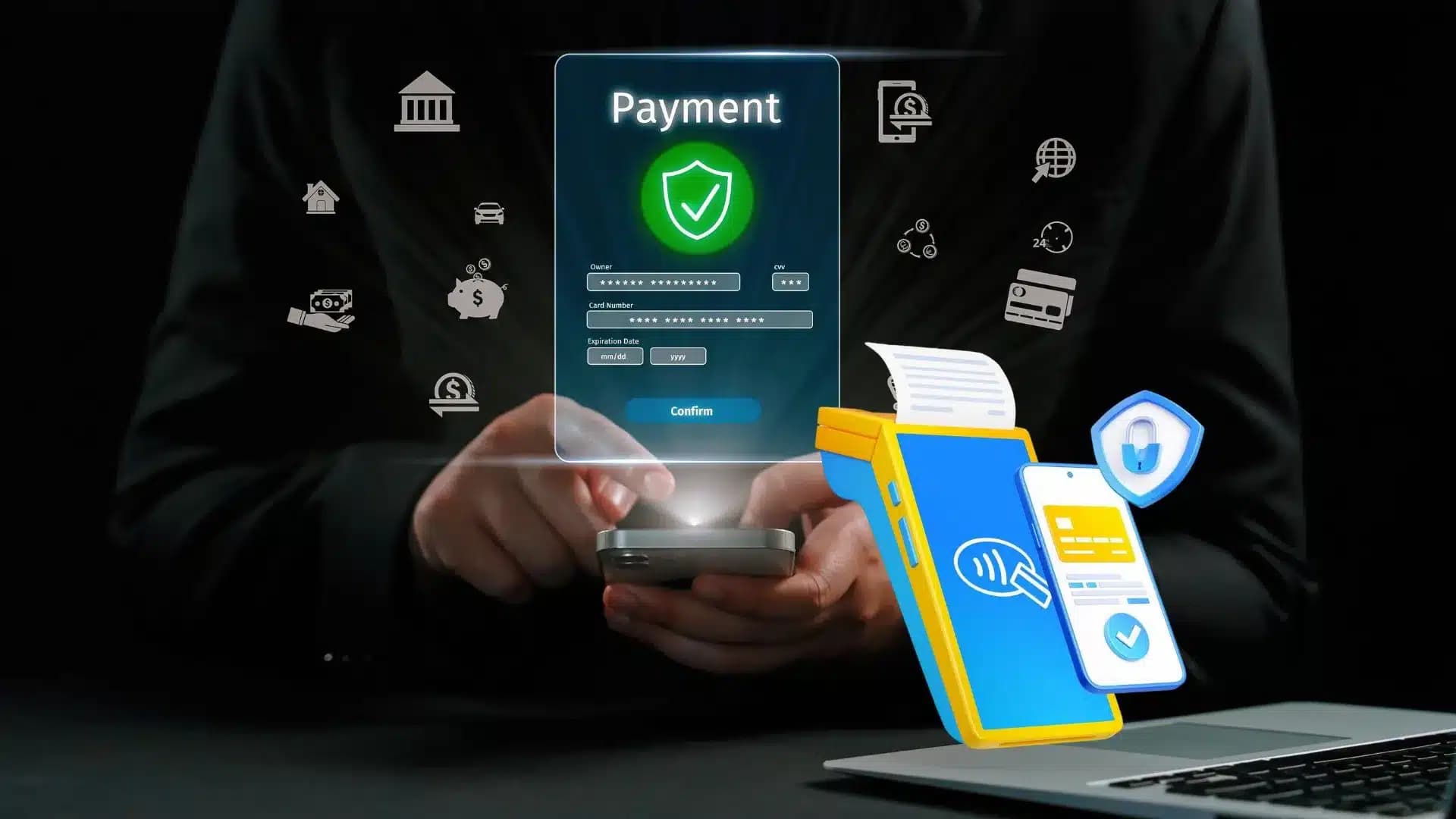
These days, most of us rely on digital payments for almost everything, from ordering groceries and booking cabs to paying utility bills and shopping online. Digital transactions have become a natural part of our daily routines because they are quick, convenient, and easy to access from anywhere. With just a few taps on a smartphone, money can be sent or received instantly, saving both time and effort. This growing shift toward cashless payments has made managing finances simpler than ever before.
However, while digital payments offer unmatched convenience, they also come with certain risks. As more people move online, scammers and fraudsters are becoming smarter and more sophisticated in their methods. Fake messages, misleading links, and fraudulent calls are increasingly common, and even a small mistake can lead to financial loss. That’s why it’s important to stay alert and understand the basic steps needed to protect your money and personal information.
In this blog, we’ll walk you through a few simple yet important ways to keep your digital transactions safe and secure. You’ll learn about common digital payment methods, how to avoid everyday online traps, and the habits you can adopt to ensure your online payments remain smooth, safe, and worry-free.
Different Ways to Make Digital Payments in India
If you're looking to pay without using cash, India has plenty of digital options that are simple and easy to use. Whether you're buying something online, paying a bill, or sending money to someone, here are some common ways people make digital payments today:
1. UPI – Instant Bank Transfers
UPI, or Unified Payments Interface, lets you send or receive money directly from your bank account using your mobile phone. You don’t need to add account numbers or wait for approvals. Just use a UPI ID or scan a QR code and the money moves instantly. It works all day, every day. Apps like Google Pay, PhonePe, and Paytm use UPI.
2. Mobile Wallets – Add Money and Pay Anytime
Mobile wallets are apps that let you store money digitally. Once you've added funds, you can use the wallet to pay for groceries, online shopping, cab rides, or even utility bills. Apps like Paytm, PhonePe, and Amazon Pay are popular choices. It’s quick and useful, especially for small daily payments.
3. Credit and Debit Cards – Swipe or Tap, and You’re Done
Most people are already familiar with these. Whether you are shopping online or paying at a store, credit and debit cards are still one of the most widely used payment methods. They’re safe, easy to use, and accepted almost everywhere. You just swipe or tap the card and enter your PIN to complete the transaction.
4. Net Banking and Bank Transfers – Best for Larger Amounts
If you need to transfer a larger amount or pay directly from your bank, net banking is a solid choice. Services like NEFT, RTGS, and IMPS allow you to move money from one account to another. IMPS works around the clock, while NEFT and RTGS have time limits. You’ll need the recipient’s account number and IFSC code to use these.
Simple Habits to Keep Your Transactions Safe
When it comes to managing money online, a few small habits can go a long way in keeping your transactions secure. Here’s how you can stay protected while using payment apps, internet banking, or digital wallets:
1. Pick Strong Passwords and Keep Them Unique
Your passwords are the first line of defence. Try not to use names, birthdays, or anything that’s easy to guess. Instead, go for a mix of capital letters, small letters, numbers, and special characters. Each app you use should have its own unique password. Don’t repeat the same one across platforms. Also, switch on two-factor authentication wherever possible. That extra step, like a code sent to your phone, adds another safety layer.
2. Be Careful About the Apps You Download
Only install apps from trusted sources like official app stores. If an app is free and looks too good to be true, it might come with hidden risks. Some apps carry malicious code that can access your personal information. Before you download anything, take a moment to check its reviews and ratings. That gives you a better idea about its safety.
3. Use a Safe and Private Internet Connection
Avoid connecting to public Wi-Fi in cafés, malls, or airports when you're making payments or checking your bank account. These networks may not be secure, which makes it easier for someone to access your information. Always connect to private networks that are password protected. Look for names like WPA or WPA2 when choosing a Wi-Fi connection. Stay away from WEP networks as they don’t provide enough security.
4. Turn On Alerts for Every Payment
One of the simplest ways to stay on top of your transactions is by enabling alerts. Whether it’s through SMS, email, or app notifications, make sure you get notified every time money goes in or out. If something doesn’t look right, you can report it immediately and stop any further damage.
5. Understand Your UPI Limits and Be Smart With Usage (Technically, this point doesn't make sense in safety)
Every UPI platform has its own daily transaction limit, and knowing these can help you manage your payments better while adding an extra layer of safety when making multiple transfers. UPI daily transaction limits vary across platforms and banks, so it’s important to stay informed.
Common Digital Payment Frauds
Here are some common digital payment frauds you should watch out for:
- Phishing messages that trick you into sharing personal details: Fraudsters send fake messages or emails posing as banks or apps to steal login details, OTPs, or UPI PINs.
- Fake customer care numbers on search engines: Scammers list fake support numbers online and convince users to share sensitive information or make payments.
- Links that look real but lead to scam websites: These links imitate trusted websites and capture your passwords or card details when you try to log in.
- QR code scams during payments: Scammers send QR codes claiming to issue refunds or receive payments, but scanning them actually sends money instead.
- UPI fraud through screen-sharing apps: Fraudsters ask users to install screen-sharing apps and use them to access banking apps or payment details.
Being aware of financial fraud can help you take timely steps to protect your money.
What to Do If You Fall Victim to Digital Fraud?
- Act immediately: As soon as you notice a suspicious or unauthorized transaction, take action without delay to prevent further loss.
- Block the affected account or card: Use your banking or payment app to block your UPI ID, mobile wallet, debit card, or credit card, or contact your bank directly.
- Inform your bank or payment provider: Report the fraud to customer support and share details such as transaction ID, date, time, and amount.
- Change your login details: Reset your passwords, UPI PINs, and other credentials linked to the affected account to secure it.
- Report to cybercrime authorities: File a complaint on the national cybercrime reporting portal or with local cybercrime officials for official documentation.
- Monitor your accounts closely: Keep checking your bank statements and app activity for any further unusual transactions.
- Stay cautious going forward: Learn from the incident and be extra careful with links, calls, and payment requests in the future.
Closing Thoughts
Staying safe while using digital payments doesn’t need to be complicated or stressful. By following a few simple habits such as creating strong passwords, avoiding suspicious links, and regularly monitoring your transactions, you can significantly reduce the risk of fraud. Being alert and thinking twice before clicking on unknown messages or approving payment requests can go a long way in protecting your hard-earned money. It’s also important to double-check recipient details and payment amounts before completing any transaction, no matter how small it seems. As digital payments continue to become a part of everyday life, staying informed and cautious will help you enjoy their convenience without worry. With a little awareness and care, you can make your online payments smooth, secure, and completely hassle-free.
Disclaimer: This article is a guest contribution. The opinions and views expressed are solely those of the author and do not necessarily reflect the views, policies, or position of EnKash.