Distributed finance teams are no longer an exception—they are the operating norm for many modern organizations. As finance functions stretch across time zones and work cultures, alignment becomes harder to sustain. Leaders are expected to maintain accuracy, accountability, and speed without relying on physical proximity or informal office interactions. This shift has made clarity of information and shared visibility mission-critical.
Well-designed digital portals are increasingly central to how finance leaders coordinate people, processes, and priorities. When thoughtfully implemented, they help teams move from reactive reporting to proactive decision-making, even in highly remote environments.
Why Alignment Is Harder for Remote Finance Teams
Finance teams rely on precision, trust, and timing. When collaboration happens online, those elements can degrade quickly if systems are fragmented or unclear. Misaligned data sources, delayed approvals, and inconsistent reporting structures often lead to duplicated work or missed insights.
Remote teams also experience cognitive overload when information is scattered across spreadsheets, emails, and disconnected tools. Alignment problems are rarely caused by people alone; they usually stem from systems that were not designed for distributed execution.
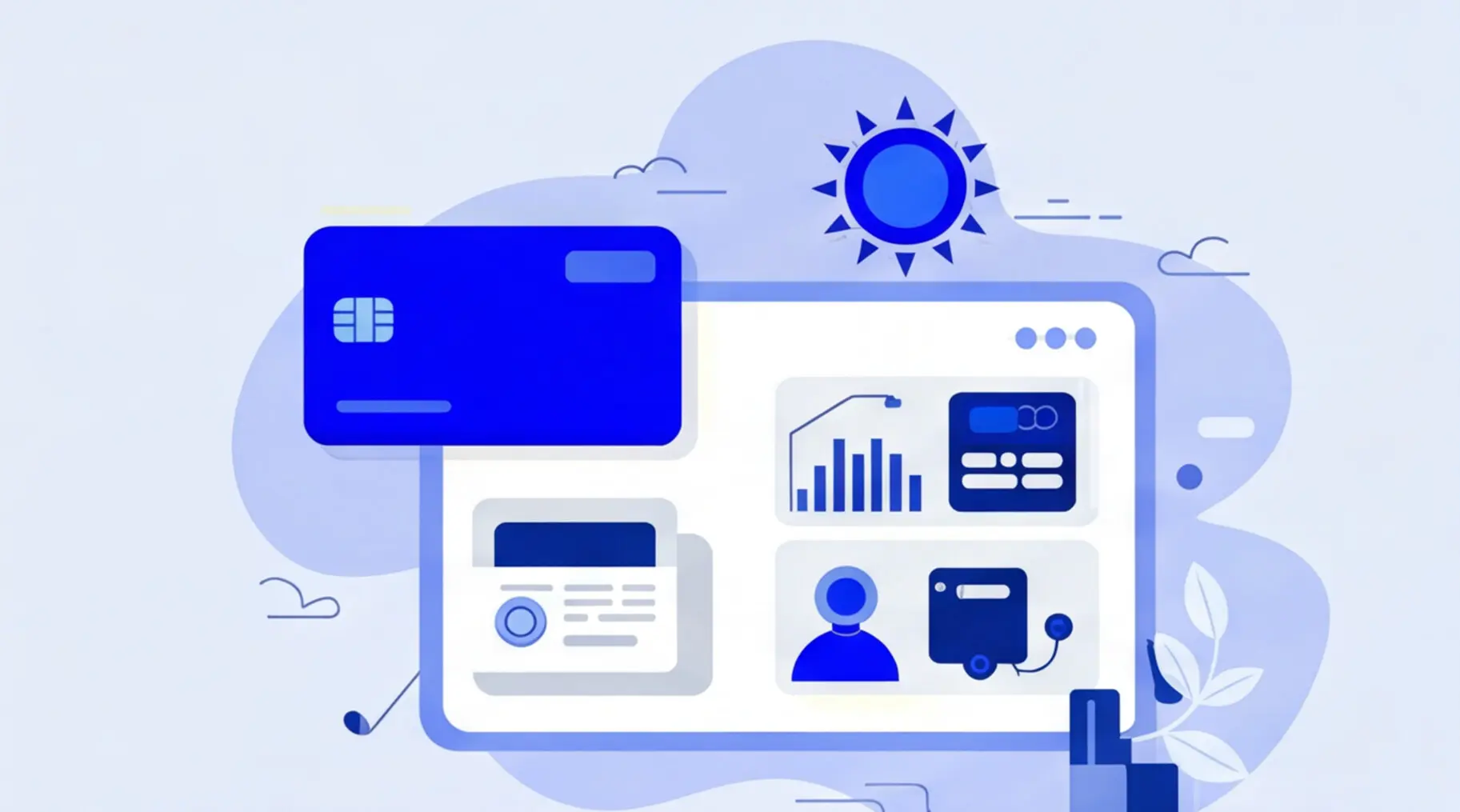
A central portal for management information acts as a shared operational backbone. It consolidates data, standardizes reporting, and creates a single source of truth that everyone can trust.
Rather than replacing human judgment, these portals support it by ensuring that decisions are based on consistent, timely inputs. For finance leaders, this visibility is essential for forecasting, compliance, and cost control across geographies.
Additionally, management information portals facilitate collaboration and communication among team members by providing a centralized platform for sharing insights and making informed decisions. By streamlining access to critical data and analytics, these portals empower finance leaders to drive strategic initiatives and achieve organizational goals more effectively.
Core Capabilities That Drive Team Alignment
Not all information portals deliver the same value. High-performing finance teams prioritize features that directly support coordination and accountability.
- Unified dashboards allow every team member to view the same financial metrics, reducing disputes about data accuracy and eliminating parallel reporting structures.
- Role-based access controls ensure sensitive information is shared responsibly, building trust while maintaining compliance standards.
- Automated workflows create predictable approval paths, helping remote teams maintain momentum without constant follow-ups.
These capabilities shift alignment from manual effort to structural design.
How Education and Skill Depth Influence Portal Effectiveness
Technology adoption succeeds when teams understand not just how tools work, but why they matter. Leaders with formal training in systems thinking often design more resilient financial operations.
For professionals building long-term expertise, exploring programs such as an accredited management information degree online can provide foundational insight into how data architecture, governance, and human behavior intersect in complex organizations.
This can lead to more effective decision-making and strategic planning within an organization. Additionally, having a deep understanding of both the technical and human aspects of information management can help professionals navigate the complexities of modern business environments.
Using Expense Visibility to Strengthen Trust
One of the most common sources of friction in remote finance teams is expense oversight. Without clear processes, employees may feel micromanaged while finance leaders worry about leakage.
An integrated expense management system can help standardize submissions, approvals, and reimbursements without creating bottlenecks. When policies are embedded directly into tools, teams spend less time interpreting rules and more time focusing on outcomes.
This can lead to increased trust between employees and management and to improved efficiency in financial operations. By utilizing technology to streamline expense management, organizations can foster a culture of transparency and accountability.
Designing Portals for Human-Centered Finance Operations
Alignment improves when systems are built around how people actually work, not how spreadsheets are structured. Effective portals support context, not just numbers.
- Clear data definitions reduce misinterpretation across regions, ensuring that metrics mean the same thing to every stakeholder.
- Contextual annotations allow finance teams to explain anomalies, preserving institutional knowledge that might otherwise be lost in turnover.
- Consistent reporting cadences help remote teams anticipate decision cycles, reducing last-minute pressure and burnout.
Human-centered design transforms portals from reporting tools into collaboration platforms. Portals can be useful tools for promoting communication and decision-making within a company by emphasizing the user experience and providing relevant context. These platforms can be even more useful by adding features such as interactive dashboards and real-time data updates, making them essential tools for finance teams.
Data Science Insights on Remote Financial Coordination
Recent research underscores the importance of centralized data systems for distributed teams. According to a 2025 McKinsey report, the payments sector continues to be the most valuable segment of financial services, with $2.5 trillion in revenue from $2.0 quadrillion in value flows, underpinned by 3.6 trillion global transactions.
The study also highlights the need for real-time data analysis to optimize financial coordination in remote teams. By leveraging data science insights, organizations can improve efficiency and decision-making processes, ultimately leading to better outcomes in the increasingly digital financial landscape.
Turning Spend Data Into Shared Understanding
Visibility alone is not enough; teams must interpret data consistently. Structured spend analysis helps finance leaders translate raw numbers into insights that teams can act on together.
When trends are clearly communicated, remote stakeholders are more likely to support cost controls and strategic reallocations. Shared understanding reduces resistance and aligns incentives across departments.
Governance Practices That Sustain Alignment Over Time
Portals succeed when governance evolves alongside organizational needs. Static rules quickly become outdated in dynamic environments.
- Regular reviews of reporting structures ensure metrics remain relevant, especially as teams scale or enter new markets.
- Feedback loops allow users to surface friction points, helping finance leaders refine workflows before problems escalate.
- Clear ownership of data domains prevents ambiguity, reinforcing accountability even when teams are geographically dispersed.
Strong governance turns alignment into a durable capability rather than a one-time project.
Supporting Ethical and Responsible Financial Operations
Remote finance teams often operate across regulatory regimes, making ethical consistency essential. Transparent systems help organizations demonstrate due diligence and fairness.
Well-governed portals also support business expense solutions that balance control with employee autonomy. When teams understand how decisions are made, trust grows naturally, even in fully distributed environments.
Measuring Alignment Beyond Financial Metrics
Alignment is not only about cost savings or cycle times. It also shows up in behavioral indicators such as response consistency and cross-team collaboration.
Leaders should evaluate whether their systems encourage shared accountability or reinforce silos. In many cases, improvements in alignment lead indirectly to better retention and engagement, especially in remote finance roles.
Preparing Teams for Long-Term Digital Maturity
As finance functions become more data-driven, alignment depends on continuous learning. Teams must adapt to new tools without losing institutional coherence.
Encouraging professional development and systems literacy ensures that portals remain assets rather than obstacles. Over time, this investment supports more resilient financial operations in an increasingly online business environment.
Key Insights
Centralized portals reduce ambiguity and support trust in remote finance teams.
- Alignment improves when systems reflect human workflows, not just reporting needs.
- Data-science research confirms that integrated platforms accelerate decision-making.
- Governance and education are essential for sustaining alignment at scale.
When thoughtfully implemented, management information portals become more than tools—they become the connective tissue that holds distributed finance teams together.
Disclaimer: This article is a guest contribution. The opinions and views expressed are solely those of the author and do not necessarily reflect the views, policies, or position of EnKash.