Introduction
Payment collection today happens across multiple business touchpoints. Sales conversations begin on WhatsApp, invoices are shared via email, follow-ups occur over the phone, and customers expect payment to be completed without switching platforms or navigating complex checkouts. In this environment, businesses require
payment methods that seamlessly integrate into these workflows.
Payment links enable businesses to request and receive payments in a format that matches how transactions actually occur. They support remote collections,
ad-hoc payments, and follow-ups without requiring a merchant website, custom app installation, or fixed checkout journey. This makes them relevant for a wide range of use cases, from service payments to order confirmations and outstanding invoice collections.
Understanding how payment links function, how they are managed, and how they fit into broader payment operations helps teams choose the right approach for faster collections and better control over incoming payments.
What Are Payment Links and How Do They Work
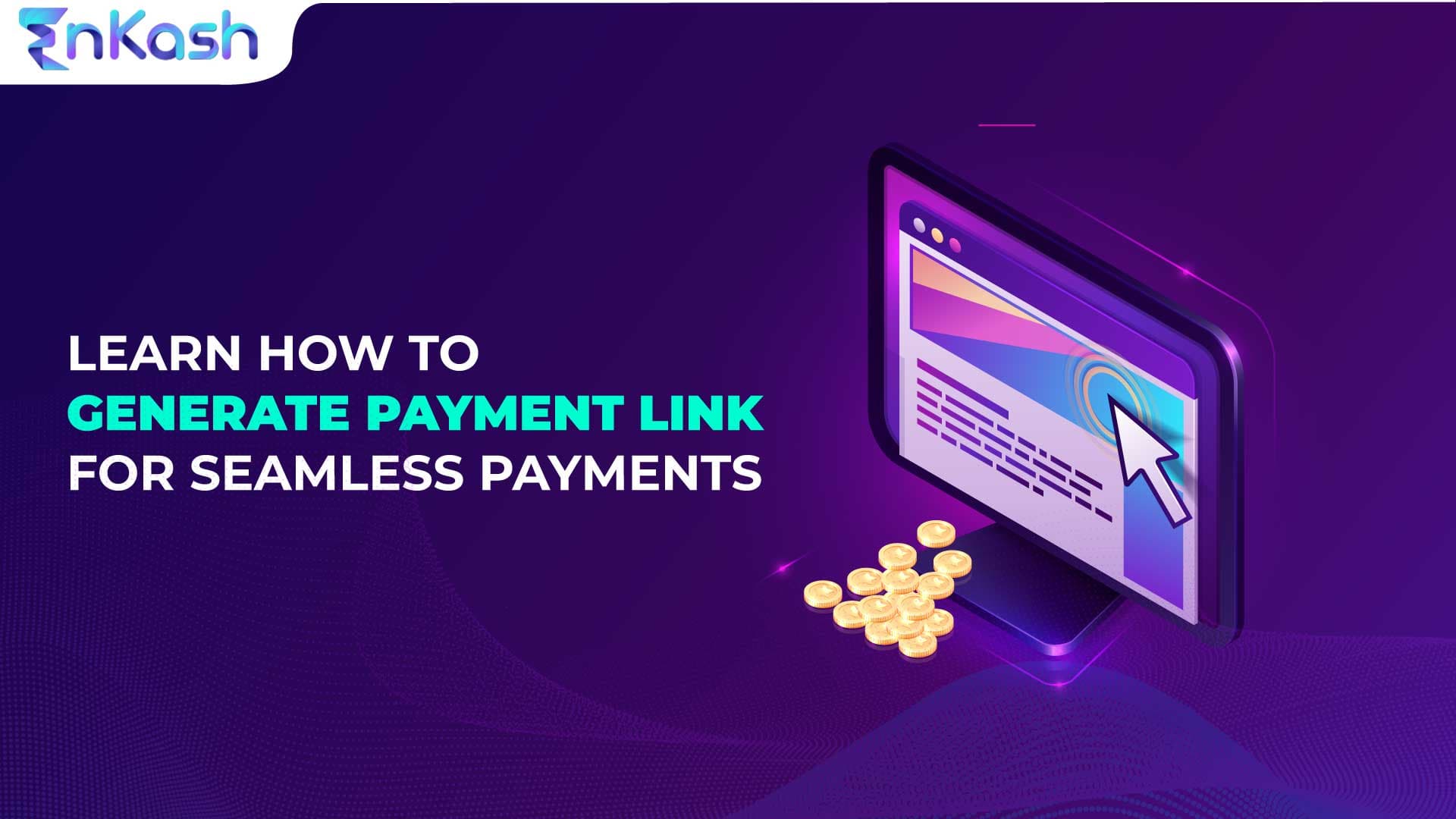
A payment link is a unique, shareable URL that enables customers to make an online payment through a secure payment page. Instead of directing users to a full website checkout, the link opens a hosted payment screen where the customer selects a preferred payment method and completes the transaction.
How Payment Links Work
- Link creation
A business generates a payment link from its payment platform by entering details such as the amount, payment purpose, and validity period.
- Link sharing
The payment link is shared with the customer through channels like WhatsApp, email, SMS, invoices, or social media, depending on how the business communicates with its customers.
- Customer payment
When the customer clicks the link, they are redirected to a secure payment page. The customer can complete the payment using supported options such as UPI, debit or credit cards, net banking, or wallets.
- Payment confirmation
Once the payment is completed, the transaction is recorded instantly. Both the customer and the business receive a confirmation that includes details such as the amount paid, payment method, transaction reference number, and date.
- Settlement and tracking
The collected amount is settled to the business’s bank account based on the payment provider’s settlement cycle and the payment mode used. Businesses can track all payment link transactions through their dashboard, where transaction-level details are available for monitoring and reconciliation.Most established platforms provide downloadable reports and basic reconciliation tools, allowing finance teams to match payments with invoices, customer records, or reference notes added during link creation. This visibility reduces manual effort and supports accurate tracking, especially for remote collections and follow-up payments. Because payment links are browser-based and largely device-agnostic, they work consistently across mobile phones, tablets, and desktops. This makes them effective for remote payments, ad-hoc collections, and scenarios where setting up a full checkout flow is unnecessary.
How to Create and Send a Payment Link
Creating and sharing a payment link does not require a full checkout setup or technical integration. Most payment platforms offer a built-in link generator that allows businesses to create payment links in minutes.
Steps to create a payment link
- Log in to your payment platform
Access the dashboard of your chosen payment provider and navigate to the payment link or collections section.
- Enter payment details
Add the payment amount, purpose or description, and currency. Some platforms also allow you to add customer details like name, phone number, or email for easier tracking.
- Set link preferences
Choose whether the link should be one-time use or reusable. You may also set an expiry date to control how long the payment link remains active.
- Generate the payment link
Once the details are confirmed, the system generates a unique online payment link that is ready to be shared
How to send a payment link to customers
After creating the payment link, you can share it through multiple channels based on how you communicate with your customers:
- WhatsApp or messaging apps for quick follow-ups and instant collections
- Email for invoices, service requests, or formal payment communication
- SMS for short reminders and time-sensitive payments
- Invoices or PDFs by embedding the payment link directly
- Social media messages for D2C or online sellers
To improve payment success rates, businesses should add a short message explaining what the payment is for and why the link is being shared. Clear communication builds trust and encourages customers to complete the payment without delay.
How to Deactivate a Payment Link
There are situations where a payment link should no longer be active. This could happen after a customer has already paid, when an invoice is cancelled, or if the link was shared by mistake. Deactivating unused or outdated payment links helps businesses maintain better control and reduce the risk of incorrect payments.
Most payment platforms allow businesses to deactivate a payment link directly from the dashboard. This can be done manually by selecting the specific link and disabling it, or automatically by setting an expiry time while creating the link. Once deactivated, the link stops accepting payments, even if a customer clicks on it.
Some platforms also support one-time payment links that automatically deactivate after a successful transaction. This is useful for single invoices or fixed-amount collections. For added security, businesses can regularly review active links and disable those that are no longer required.
Who Should Use Payment Links?
Payment links are relevant for businesses that collect payments through direct interactions rather than automated checkout journeys. They are commonly used where payment requests are shared manually as part of sales, service delivery, or follow-up communication.
Small businesses and freelancers use payment links to collect payments for services, consultations, and customised work. These links fit well into one-to-one client communication over email or messaging platforms.
D2C brands and online sellers use payment links for social media-led sales, pre-orders, and assisted buying journeys. When customer conversations happen on platforms like WhatsApp or Instagram, payment links allow transactions to be completed within the same flow.
Service providers, including agencies, consultants, trainers, and repair services, use payment links for advance payments, milestone-based billing, and post-service payment requests where amounts may vary.
Enterprises and growing businesses use payment links for remote collections, outstanding invoice follow-ups, field sales payments, and ad-hoc collections that fall outside standard checkout or billing systems.
The Benefits of Using Payment Links
- Faster payment completion
Customers can complete payments immediately after receiving a payment request, reducing delays caused by manual transfers and repeated follow-ups.
- Flexible collection across channels
Payment links can be shared through WhatsApp, email, SMS, invoices, and social platforms, allowing businesses to collect payments within existing communication flows.
- Improved visibility and tracking
Every transaction is digitally recorded, enabling real-time monitoring, accurate reconciliation, and clearer visibility into incoming payments.
- Reduced checkout dependency
Businesses can collect payments without relying on fixed checkout pages or dedicated payment infrastructure, making payment links suitable for ad-hoc and remote collections.
- Built-in control and security
Features such as link expiry, one-time usage, and manual deactivation help businesses manage access and minimise the risk of incorrect or unauthorised payments.
Free Payment Links vs Paid Payment Links
| Aspect | Free Payment Links | Paid Payment Links |
| Setup cost | No upfront cost to create a payment link | May include platform fees or transaction charges |
| Payment modes | Usually limited payment options | Wider range including UPI, cards, net banking, and wallets |
| Transaction limits | Often have caps on the amount or volume | Higher or no limits based on plan |
| Branding | Generic payment page with provider branding | Custom branding and business identity options |
| Settlement speed | Standard settlement timelines | Faster or configurable settlement cycles |
| Reporting and tracking | Basic transaction visibility | Advanced reports, filters, and reconciliation tools |
| Link control | Limited control over expiry or reuse | One-time links, expiry settings, and manual deactivation |
| Customer support | Minimal or self-service support | Dedicated or priority support options |
| Best suited for | Individuals, freelancers, or occasional payments | Growing businesses and enterprises with regular collections |
Free payment links are useful for getting started or handling occasional payments, but they often come with limitations around control, reporting, and scalability. Paid payment link solutions are better suited for businesses that need reliability, flexibility, and better financial visibility as transaction volumes grow.
Top Payment Link Providers in India
Several payment platforms in India allow businesses to create and share payment links, but the experience varies based on scale, control, and how well the feature integrates with broader payment operations.
EnKash offers payment links as part of its unified payments and collections infrastructure. Businesses can generate payment links for quick one-time or ad-hoc collections while managing all transactions through a centralised dashboard. The focus is on real-time visibility, structured reconciliation, and integration with larger finance workflows, making it suitable for growing and enterprise-level businesses.
Razorpay provides payment links that are widely used by startups and online-first businesses. The platform supports multiple payment modes and offers a simple interface for creating and sharing links, especially for small to mid-sized merchants.
Cashfree is known for its strong UPI coverage and relatively fast settlements. Its payment links are commonly used by digital businesses that prioritise collection speed and API-led payment flows.
PayU offers payment links as an extension of its payment gateway services. Businesses already using PayU for online payments often adopt its payment links for manual or remote collections.
Instamojo is popular among freelancers, creators, and small businesses. It focuses on ease of use, quick onboarding, and basic payment link functionality without technical dependencies.
Paytm for Business is widely used for UPI-based collections and offline-to-online payments. Its payment links are often preferred by merchants already operating within the Paytm ecosystem.
While most providers support basic payment link creation, businesses should evaluate them based on settlement timelines, reporting depth, payment mode coverage, and how well payment links align with their overall collections and finance processes.
Conclusion
Payment links have become a practical collection method for businesses that operate across multiple channels and customer touchpoints. They allow payments to be requested and completed without dependency on websites, apps, or fixed checkout flows.
For finance and operations teams, payment links support faster collections, better tracking of incoming payments, and improved control through features like expiry and deactivation. For customers, they offer a familiar and accessible way to complete payments using commonly used payment modes.
As payment volumes grow, the effectiveness of payment links depends on the underlying platform. Providers that offer strong reporting, predictable settlements, and operational control help businesses integrate payment links into their broader payment and finance workflows with greater reliability.
FAQs
1. What is a payment link?A payment link is a shareable URL that allows customers to make an online payment through a secure payment page without visiting a website or app.
2. Is it safe to use payment links for business payments?Yes, payment links are processed through secure payment gateways that follow standard security and compliance practices. Features like link expiry and controlled access add additional protection.
3. Can payment links be used without a website?Yes, payment links do not require a website. They can be created and shared directly through messaging apps, email, SMS, or invoices.
4. Do payment links support multiple payment methods?Most payment links support UPI, debit and credit cards, net banking, and wallets, depending on the provider.
5. Can a payment link expire or be disabled?Yes, businesses can set expiry dates or manually deactivate payment links once a payment is completed or no longer required.