Introduction
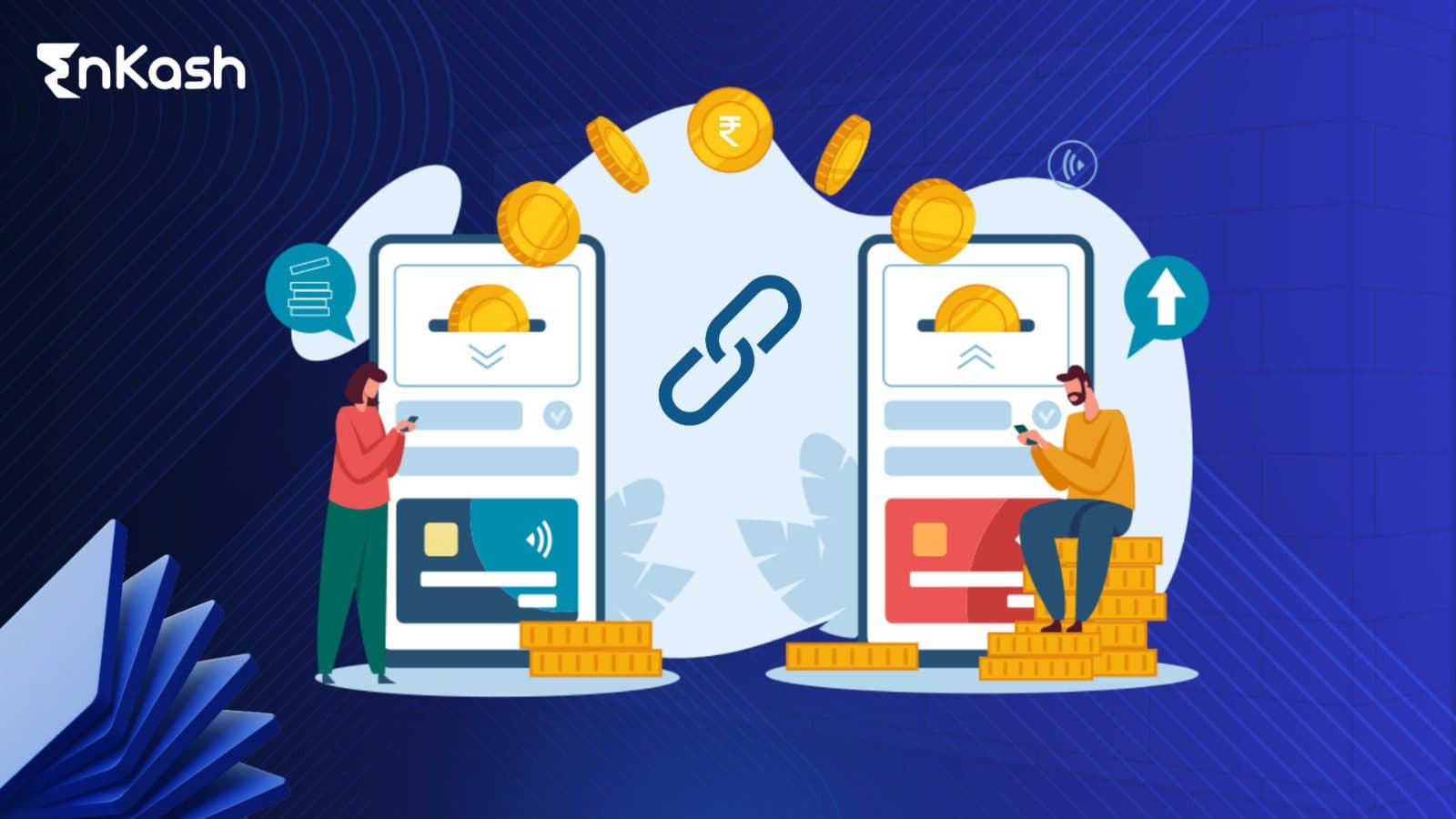
In the digital era, where convenience is key, payment links for businesses have emerged as a game-changer in simplifying online transactions. In India, payment links are commonly used to collect payments via UPI, cards, and net banking. From small businesses to freelancers and individuals, payment link solutions offer a seamless and secure way to send and receive payments without the hassle of traditional methods. In this comprehensive guide, we’ll delve deep into the world of payment link benefits, exploring what they are, how they work, their benefits, and how businesses and individuals can leverage them to streamline their financial transactions.
What are payment links?
A payment link is a secure, shareable URL that allows a business to collect payments online without needing a full checkout website. It is created for a specific payment request — such as a product purchase, service fee, subscription, or invoice — and can be sent directly to customers through channels like email, SMS, WhatsApp, or other messaging platforms.
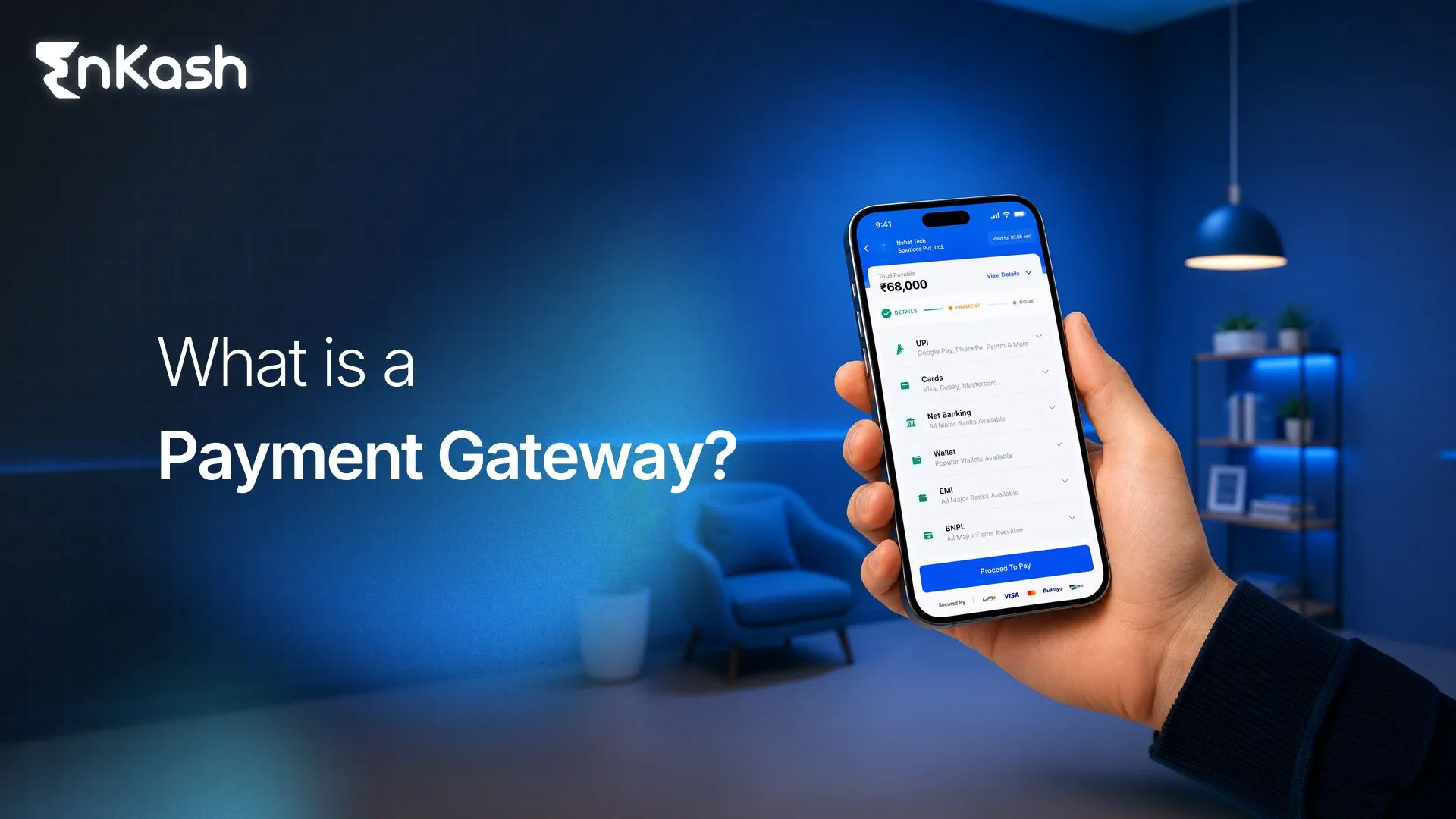
When a customer clicks the link, they are redirected to a protected payment page where they can review the details and complete the transaction using their preferred payment method, such as cards, UPI, net banking, or wallets.
How Payment Links WorkPayment links make it easy for businesses to request, collect, and track payments without complex setups. The process is simple, secure, and designed for fast transactions.
Step 1: Create a Payment RequestTo begin, the business creates a payment request by entering the amount, the purpose of payment, and the customer's details using a payment service provider. This generates a unique and secure payment link for the transaction.
Step 2: Share the Payment LinkOnce created, the payment link can be shared instantly via WhatsApp, email, SMS, invoices, or a website. Customers can access the link from any device, making it convenient for remote and on-the-go payments.
Step 3: Customer Completes the PaymentWhen the customer clicks the link, they are redirected to a secure checkout page. Here, they can pay using UPI, cards, net banking, or wallets. Depending on the method, they may need to authenticate using UPI PIN or OTP.
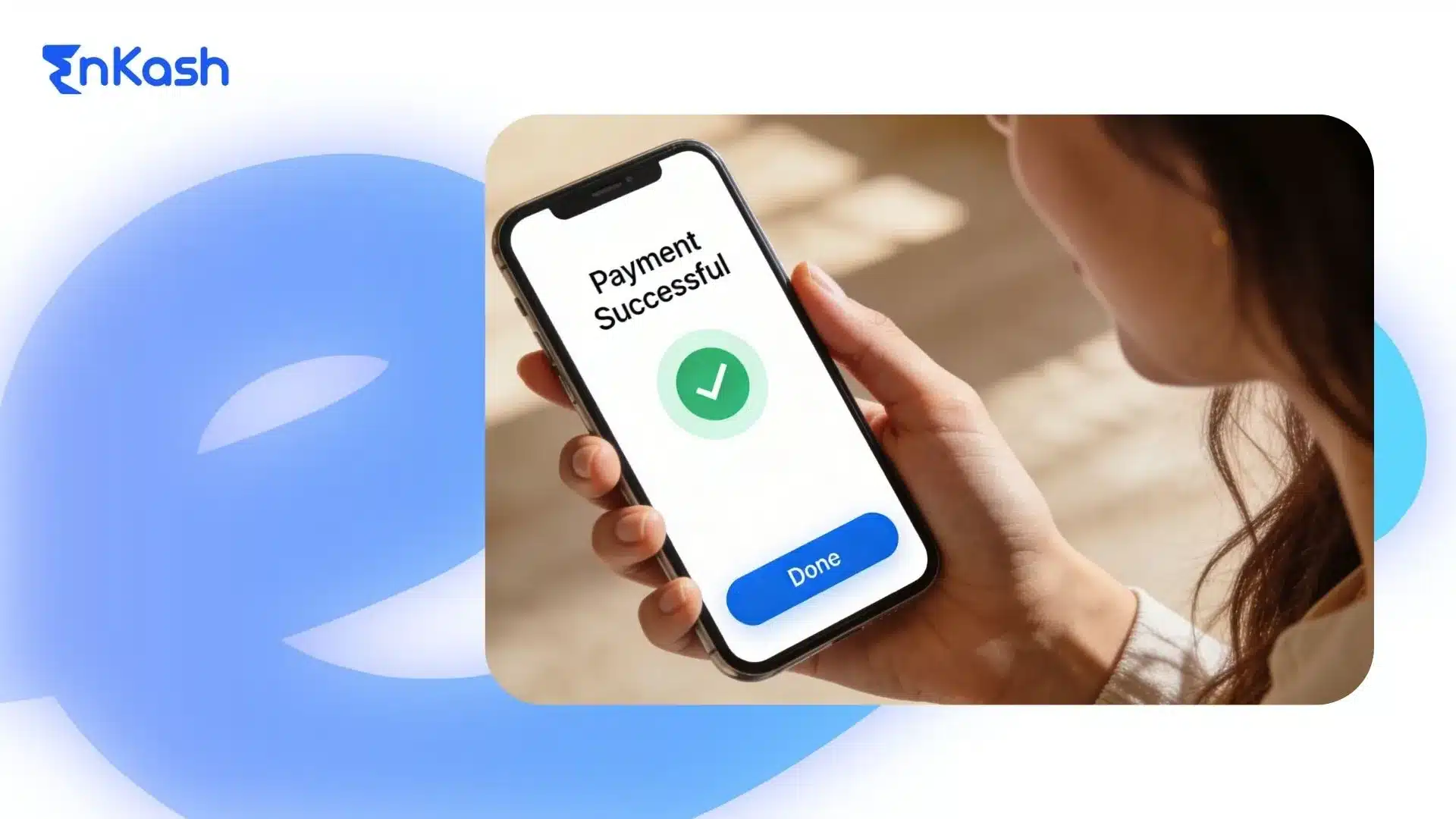
Step 4: Instant Confirmation and SettlementAfter the payment is completed, both the business and the customer receive instant confirmation. The amount is settled directly into the business account as per the provider’s settlement cycle, and the transaction status can be tracked quickly in the provider dashboard.
Why This Payment Flow Is Effective
- Simplifies payment for customers
- Reduces delays and follow-ups for payments
- Improves cash flow with faster collections
- Ensures secure, trackable transactions.
How to Create a Payment Link
Creating a payment link is a simple and efficient way to receive payments online without building a website or integrating complex payment systems. Follow these steps to create and share a payment link securely.
Step 1: Sign Up with a Payment Service Provider
To create a payment link, start by signing up with a trusted payment service provider. Choose a platform that supports multiple payment modes, offers secure transactions, and complies with regulatory standards.
Step 2: Enter Payment Amount and Details
Once logged in, enter the payment amount, purpose of payment, and optional customer details such as name or invoice reference. This helps in accurate payment tracking and reconciliation.
Step 3: Generate and Share the Payment Link
After submitting the details, the system will generate a unique payment link. You can share this link instantly via WhatsApp, email, SMS, invoices, or social channels, allowing customers to make a payment from anywhere.
Step 4: Track Payment Status in Real Time
As soon as the customer completes the payment, you receive instant confirmation. Most platforms provide real-time dashboards to track payment status, settlements, and transaction history.
Read More: Create UPI Payment Link
Benefits of Payment Links
Payment link benefits both businesses and customers in a variety of ways:
- Accessibility: Payment links reduce technical barriers by avoiding complex setup. Businesses still need to onboard with a payment provider to accept and settle payments.. Anyone with internet access can send or receive payments conveniently.
- Convenience: With payment link solutions, customers can complete transactions with just a few clicks, saving time and effort compared to traditional payment methods. Similarly, merchants benefit from a streamlined checkout process, reducing cart abandonment rates and increasing conversion rates.
- Security: Security is a top priority in online transactions, and payment links solutions are designed with robust security measures to protect sensitive financial information. Encryption technologies and secure payment gateways ensure that transactions are safe and secure from potential fraud or data breaches.
- Flexibility: Payment links offer flexibility in terms of payment methods, currencies, and customization options. Merchants can customize payment links to include specific product details, discounts, or promotional offers, catering to the unique needs of their customers.
- Cost-Effectiveness: Traditional payment methods often come with hidden fees, transaction charges, and monthly subscription fees. Payment links can be cost-effective because they usually avoid heavy development costs. Provider pricing may include transaction fees and, in some cases, platform charges.
- Real-Time Tracking and Reporting: Payment links provide merchants with real-time tracking and reporting capabilities, allowing them to monitor transactions, reconcile accounts, and analyze sales data. This visibility into transaction history and performance enables businesses to make informed decisions and optimize their financial operations.
Applications of Payment Links
Payment links can be utilized across various platforms and scenarios, catering to diverse needs and industries. Here are some of the payment link examples:
E-commerce
Seamlessly embed payment links within e-commerce platforms to facilitate frictionless checkout experiences and drive conversion rates. Businesses can use payment links to facilitate online purchases, allowing customers to buy products directly from their website or social media channels.
Service-based Businesses
Expedite invoice settlements and service payments for freelancers, consultants, and service providers by using personalized payment links to invoice clients, collect deposits, or accept payments for services rendered.
Events and Ticketing
Event organizers can use payment links to sell tickets, collect registration fees, or accept donations for fundraising events.
Charitable Organizations
Non-profit organizations can leverage the accessibility of payment links to collect donations securely and efficiently, supporting their charitable initiatives.
Retail and Hospitality
Retailers and hospitality businesses can facilitate online and in-store transactions using payment links to accept payments for in-store purchases, online orders, or reservations, enhancing customer convenience and satisfaction
Peer-to-Peer Payments
Individuals can use payment links to split bills, share expenses, or collect payments from friends and family members.
Integration with social media platforms allows businesses to share payment links directly on their profiles. Merchants can leverage the widespread reach of social media to promote products or services through sponsored posts or advertisements and provide a seamless checkout experience through payment links.
Emails
Payment links can be embedded within email communications, enabling businesses to send invoices, payment requests, or order confirmations with a direct link to complete the transaction. Automated email systems can streamline invoicing processes by generating and sending payment links automatically based on predefined triggers or schedules.
Website
Payment links can be prominently featured on a business website, offering visitors a quick and straightforward way to make purchases or payments. Integration with a website’s checkout page allows for a cohesive online shopping experience, reducing friction and increasing user satisfaction.
Invoicing
Automate the invoicing process by including payment links in digital invoices, reducing the time and effort required for manual invoice creation. Provide a convenient way for clients to settle invoices promptly by embedding payment links directly in billing documentation.
Advanced Uses of Payment Link
Payment links serve as catalysts for innovation, offering tailored solutions to address evolving market demands and consumer preferences:Checkout Optimization: Enhance the checkout experience with one-click payment options and autofill capabilities, reducing cart abandonment rates and maximizing conversion opportunities.Automated Invoicing: Simplify invoice management through automated generation and distribution of payment links, minimizing administrative overheads and expediting payment collections.Subscription Management: Facilitate recurring billing cycles and subscription renewals with customizable payment links, ensuring continuity of service delivery and revenue streams.Multi-Currency Support: Some providers support international payments and multi-currency collections. Availability depends on the payment provider and business onboarding.Integration Capabilities: Seamlessly integrate payment links with existing business systems and third-party applications, fostering interoperability and scalability for future growth initiatives.How can EnKash help?
EnKash is a leading provider of innovative payment solutions, including payment links, that cater to the evolving needs of businesses in the digital landscape. EnKash offers Payment Links that businesses can create and share to collect payments across channels like WhatsApp, SMS, and email. Customers can pay using options such as UPI, cards, and net banking. EnKash also supports bulk payment links via file upload and a dashboard to track collections. These payment links empower merchants to offer flexible payment options and provide real-time tracking and reporting capabilities, ensuring transparency and efficiency in financial operations. By incorporating EnKash’s solutions into their workflows, businesses can optimize their payment processes, enhance customer satisfaction, and drive growth in an increasingly digital economy.Conclusion
Payment link benefits are revolutionizing the way we transact online, offering a simple, secure, and efficient alternative to traditional payment methods. Whether you’re a business looking to streamline your checkout process or an individual seeking a convenient way to send or receive payments, payment links provide a versatile solution that caters to a wide range of needs. By embracing payment links, businesses and individuals can unlock new opportunities, improve financial efficiency, and enhance the overall payment and collection experience for all parties involved. FAQs
1. How can I access the payment link for my purchase?To access the payment link for your purchase, simply follow the instructions provided by the merchant or business from whom you’re making the purchase. Typically, they will send you the payment link through email, SMS, social media, and messaging apps, or embed it on their website. Once you receive the link, click on it to proceed with the payment process securely.
2. Are payment links secure for making online transactions?Yes, payment links are designed with robust security measures to ensure safe and secure online transactions. They utilize encryption technologies and secure payment gateways to protect sensitive financial information during the payment process. Additionally, payment links often come with real-time tracking and reporting capabilities, providing instant confirmation of successful transactions for both merchants and customers.
3. Can I share the payment link with someone else to make a payment on my behalf?Yes, you can share the payment link with someone else to make a payment on your behalf. Payment links are versatile and allow for easy sharing through various channels such as email, messaging apps, social media, or embedding on websites. However, ensure that you trust the recipient with whom you’re sharing the payment link to avoid any unauthorized transactions.
4. What is a payment link?A payment link, also known as a checkout link or pay-by-link, is a unique URL generated by merchants or businesses that enables customers to make payments directly through the link. It simplifies the payment process by providing a direct route for customers to complete transactions, eliminating the need for traditional methods like setting up merchant accounts or integrating complex payment gateways.
5. Do payment links support multiple payment methods?Yes, payment links typically support multiple payment methods, including credit/debit cards, digital wallets, bank transfers, and other popular payment options. This flexibility allows customers to choose their preferred payment method, enhancing convenience and accessibility.
6. Can I reuse a payment link?In most cases, payment links are generated for specific transactions and may not be intended for reuse. However, some payment link providers may offer functionality for recurring payments or subscription renewals, allowing merchants to reuse payment links for ongoing transactions with the same customer.