A missed payment can quickly create a chain reaction. A supplier may hold the next order. A bank may add a bounce charge to an EMI. A credit card balance may start attracting interest. A utility provider may send reminders before a service disruption. The issue becomes harder when several dues fall across the month with separate dates and different consequences, which is where a payment schedule becomes useful.
Businesses face this pressure across payroll, rent, GST dues, supplier invoices, software renewals, insurance premiums, and loan repayments. Individuals deal with rent, school fees, EMIs, SIPs, utility bills, and card payments. Late handling can disturb cash flow, monthly budgets, vendor coordination, and financial credibility.
Digital systems such as UPI, BBPS, NEFT, NACH, and UPI AutoPay have made planned payments easier to manage. Still, payment discipline depends on knowing which obligations need attention before the due date.
This blog explains the meaning of a payment schedule, its major types, the impact of payment scheduling, and the benefits it offers for personal and business money management.
What is a Payment Schedule
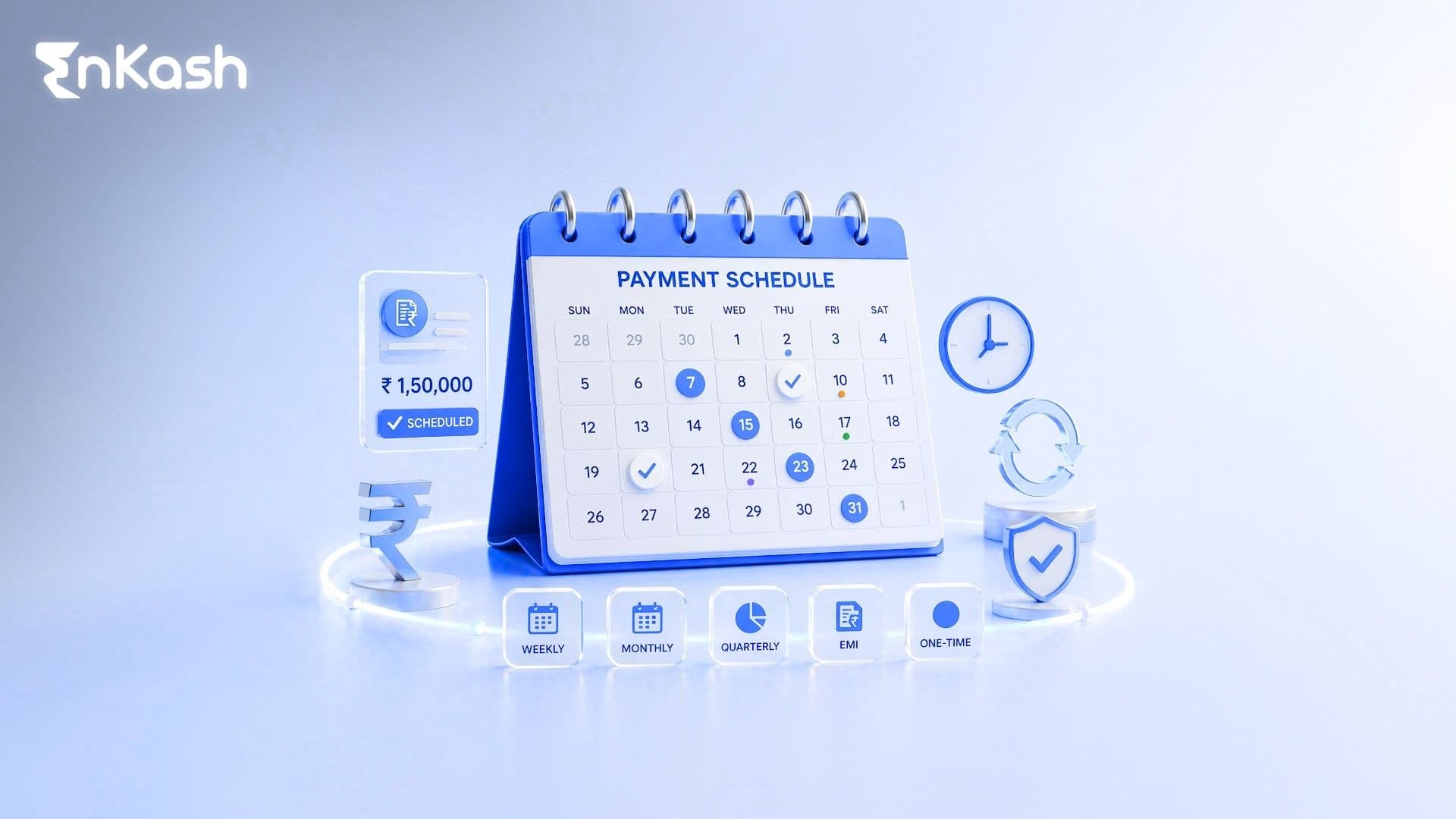
A payment schedule is a dated record of payments that are due. It lists the payable amount, recipient, due date, payment purpose, payment method, and completion status. The payment schedule meaning describes a structured payment record used to monitor dues, completed payments, and the sequence of upcoming financial actions.
A complete schedule may also include invoice numbers, bill references, purchase order details, tax checks, bank information, approval status, expected debit date, and final settlement date. These details make the record useful for review, follow-up, reconciliation, and confirmation.
The format can be simple or detailed. A household may maintain a monthly list of bills and EMIs. A freelancer may record client-linked expenses, software renewals, taxes, and installments. A business may use accounting software, enterprise resource planning systems, spreadsheets, or payment platforms to monitor larger payment volumes.
A payment schedule does more than help someone schedule payment for a future date. It keeps payment information in a single place, making it easier to check what is pending, what is processed, and what still needs confirmation.
| Basis | Payment Schedule | Payment Plan |
|---|
| Purpose | Tracks when payments are due | Defines how a debt or obligation will be repaid |
| Focus | Timing and monitoring | Repayment structure |
| Common Use | Vendor payments, bills, subscriptions | Loans, overdue balances, installment arrangements |
| Audience | Businesses and individuals | Borrowers and creditors |
Types of Payment Schedules
Fixed Payment Schedule
A fixed payment schedule works when the amount and date are already known. Monthly office rent, loan EMIs, salary payouts, annual software renewals, maintenance charges, and school fee cycles fall into this format. The main strength is predictability. The payer can reserve funds before the debit date, and the receiver gets a dependable settlement pattern. This format works well for obligations in which the contract, bill, or agreement clearly states the payment amount and date.
Recurring Payment Schedule
A recurring schedule covers payments that repeat after a set interval. The cycle may be weekly, monthly, quarterly, or yearly, depending on the service or agreement. Electricity bills, mobile bills, broadband plans, insurance premiums, SIPs, credit card dues, OTT subscriptions, SaaS tools, and society maintenance can follow this pattern. UPI AutoPay, e-mandates, NACH, and bank standing instructions can support many recurring payments, subject to applicable limits, merchant support, and bank requirements. Users still need to review mandate limits, debit dates, active subscriptions, and available balance before each cycle.
Invoice-Based Payment Schedule
Invoice-based scheduling depends on commercial terms. The trigger may be the invoice date, delivery confirmation, purchase order terms, goods acceptance, or agreed credit period. Many vendor arrangements follow 15-day, 30-day, or 45-day settlement cycles. This format is useful for accounts teams because it links payment timing with documents, approvals, tax checks, and vendor records. It becomes particularly important when dealing with micro and small enterprise vendors because delayed settlement may trigger MSMED Act implications and, in certain cases, affect tax deductions under applicable income-tax provisions.
Milestone-Based Payment Schedule
Milestone-based payments are linked to completed work stages. This model may be used for construction contracts, website projects, app development, consulting assignments, marketing retainers, equipment installation, and custom manufacturing orders. A typical structure may include advance payment, first deliverable approval, mid-project review, final handover, and balance release. This format works best when the scope, acceptance criteria, review window, and payment trigger are written clearly. It reduces avoidable disputes because payments are tied to measurable progress.
Installment-Based Payment Schedule
An installment schedule divides a larger payable amount into smaller parts across an agreed period. Education fees, loan repayments, insurance premiums, equipment purchases, and advance-plus-balance arrangements can use this format. Each installment needs a date, amount, payment reference, and closure point. The payer should also track interest, grace periods, late charges, and final settlement terms. Unlike an open recurring arrangement, an installment plan ends once the agreed number of payments has been completed.
Impact of Scheduling Payment
Cash Outflows Become Easier to Forecast
Scheduled payments help finance teams and individuals see upcoming cash movements before the due date. Payroll, vendor invoices, rent, taxes, EMIs, subscriptions, utilities, and insurance can be viewed against expected inflows. This is useful for businesses with seasonal sales, customer credit periods, or tax deadlines. The forecast helps decide which dues need priority, which payments need fund allocation, and where temporary cash pressure may arise during the month.
Vendor Coordination Becomes Smoother
Supplier coordination improves when payment dates are visible in advance. Vendors can align dispatch, service continuity, account reconciliation, and follow-up activity around expected settlement windows. Internal teams also gain clarity because procurement, operations, and accounts can work from the same payment view. Smaller suppliers depend heavily on predictable collections for their own working capital. A planned cycle reduces repeated reminders, unclear commitments, and last-minute pressure between both sides.
Missed Due Dates and Penalties Reduce
Scheduling gives the payer enough time to prepare before a due date turns into a cost. Late card payments can attract interest, EMI failures can bring bounce charges, and utility delays can lead to penalties or service issues. Digital options such as BBPS, NEFT, UPI AutoPay, NACH, and bank reminders can support payment execution when properly set up. The payer still needs valid bank details, sufficient balance, correct mandate limits, and timely approval before release. This discipline improves the likelihood of timely payments and reduces avoidable charges.
Internal Approval Control Improves
Payment scheduling gives teams room to complete checks before money moves. Purchase order matching, invoice verification, GST detail review, TDS consideration, vendor bank validation, manager approval, and payment authorization can happen in a cleaner sequence. This reduces rushed releases and lowers the risk of wrong account transfers, duplicate payments, missing deductions, or incomplete documentation. Larger teams benefit because every payment can move through review, approval, release, and confirmation without depending on memory or scattered messages.
Payment Scheduling in Accounts Payable Management
For businesses, payment scheduling is a core accounts payable function rather than a simple calendar exercise. Finance teams use payment schedules to prioritise supplier payments, manage working capital, align approvals, track due dates, and avoid duplicate or delayed settlements. A structured payment schedule also helps businesses coordinate invoice verification, GST checks, TDS deductions, payment approvals, and reconciliation activities before funds are released.
Benefits of Using a Payment Schedule
Better Financial Discipline
A Payment schedule helps users commit funds before they are spent elsewhere. Rent, salaries, tax dues, insurance, EMIs, subscriptions, and education fees can be prioritized before optional expenses. This is useful for business owners managing working capital and for households balancing fixed payments with monthly income. The benefit is behavioral. It turns payment handling into a planned routine instead of a last-minute reaction.
Stronger Compliance and Audit Readiness
Businesses need clear proof of payment movement. Due dates, deductions, bank references, approval notes, and settlement dates must be traceable during reviews. A maintained schedule supports vendor ledgers, GST records, TDS checks, bank reconciliation, and expense entries. It also reduces confusion during statutory audits, internal reviews, month-end closing, and vendor disputes because the payment history remains easier to verify.
Lower Manual Follow-Up
A planned payment system reduces the need for repeated status checks among vendors, founders, account teams, and operations staff. Everyone can identify which dues are pending, under review, or already released. This cuts unnecessary calls, forwarded emails, and reminder chains.
Improved Credit Reputation
Consistent payment behavior strengthens credibility with lenders, landlords, suppliers, and service providers. Businesses with disciplined settlement records can maintain better vendor confidence. Individuals protect their credit profile when card bills and loan installments are cleared within the required timeline. Timely repayment of credit products such as loans and credit cards helps protect credit scores, while consistent payment behaviour strengthens credibility with other counterparties.
Better Cost Visibility
A schedule helps users notice charges that continue without active review. OTT plans, software tools, broadband packages, insurance premiums, SIPs, card auto-debits, and old e-mandates can remain active longer than needed. A periodic review helps identify duplicate charges, unused plans, outdated mandates, and payments linked to closed requirements.
How to Create a Payment Schedule for Your Business
List Every Recurring and One-Time Payable
Start by recording all business dues in one place. Include vendor invoices, rent, payroll, GST dues, loan repayments, insurance, utilities, subscriptions, reimbursements, and maintenance charges. Add one-time expenses separately because they can distort cash planning when mixed with monthly commitments.
Group Payments by Category and Risk
Separate payments by purpose, due date, and consequence. Statutory dues, salaries, loan installments, and critical vendor payments need closer tracking because delay can create penalties, service disruption, or operational pressure. Lower-risk expenses can follow a separate review cycle.
Add Review Dates and Owners
Do not track only the final due date. Add an internal review date, an approval owner, a payment maker, and a backup reviewer. This helps the business complete invoice checks, tax deductions, bank verification, and approvals before the release date.
Update After Every Transaction
Mark each payment as pending, approved, released, failed, reversed, or reconciled. This keeps the record useful after the payment attempt and prevents duplicate transfers, missed confirmations, and unclear vendor follow-ups.
Key Details to Include in a Payment Schedule
Payment Identity
Each entry should have a clear title, payee name, invoice number, bill reference, loan account number, or purchase order detail. This helps accounts teams identify the payment quickly without searching through emails, bills, or vendor messages.
Amount and Deduction Details
Add the payable amount, applicable tax deduction, GST reference, adjustment value, advance paid, balance amount, and final settlement amount. This is important for vendor payments, professional fees, rent, reimbursements, and any transaction subject to deductions or adjustments.
Dates and Approval Status
A useful schedule should include the invoice date, internal review date, due date, expected debit date, and final payment date. Add approval status as pending, checked, approved, released, failed, or reconciled.
Payment Mode and Confirmation
Mention the planned mode of payment, verified bank details, UPI ID, mandate reference, transaction ID, and payment confirmation status. These fields reduce confusion when payments need review, proof, reconciliation, or vendor confirmation.
Conclusion
A Payment schedule gives financial commitments a clear order of operations. It helps users prepare for dues, protect cash flow, reduce payment friction, and maintain stronger records. For businesses, it supports vendor settlements, statutory dues, loan repayments, and internal payment control. For individuals, it improves the management of EMIs, rent, school fees, insurance, subscriptions, and utility bills.
The practical value lies in regular review. Users should check upcoming dues, update payment details, keep funds ready, and confirm settlement after release. A maintained payment schedule helps keep financial commitments visible, organised, and easier to manage.
FAQs
When should a business prepare a payment schedule?
A business should prepare a payment schedule before the billing cycle starts. This helps the accounts team track rent, salaries, vendor dues, GST payments, loan installments, subscriptions, and other fixed commitments in advance.
Who is responsible for maintaining a payment schedule in a company?
The finance or accounts team generally maintains the schedule, but procurement, operations, founders, and department heads may share inputs. Vendor invoices, approvals, deductions, and payment confirmations need coordination across teams.
Can a payment schedule reduce vendor disputes?
A payment schedule can reduce vendor disputes by keeping invoice dates, due dates, payment terms, approval status, and transaction references clear. This helps both sides verify pending dues and completed settlements.
How early should payments be reviewed before the due date?
Businesses should review payments a few days before the due date. High-value vendor payments, statutory dues, loan installments, and salaries need earlier checks because approval, balance, and verification delays can affect release.
Is a payment schedule useful for MSME vendor payments?
A payment schedule is useful for MSME vendor payments because micro and small enterprise dues need careful tracking. Delayed settlement can create interest exposure, compliance concerns, and avoidable pressure on business relationships.
Can individuals use a payment schedule for monthly expenses?
Individuals can use a payment schedule for rent, EMIs, school fees, insurance, SIPs, broadband, electricity, mobile bills, and credit card dues. It helps them plan their balances before payment dates.
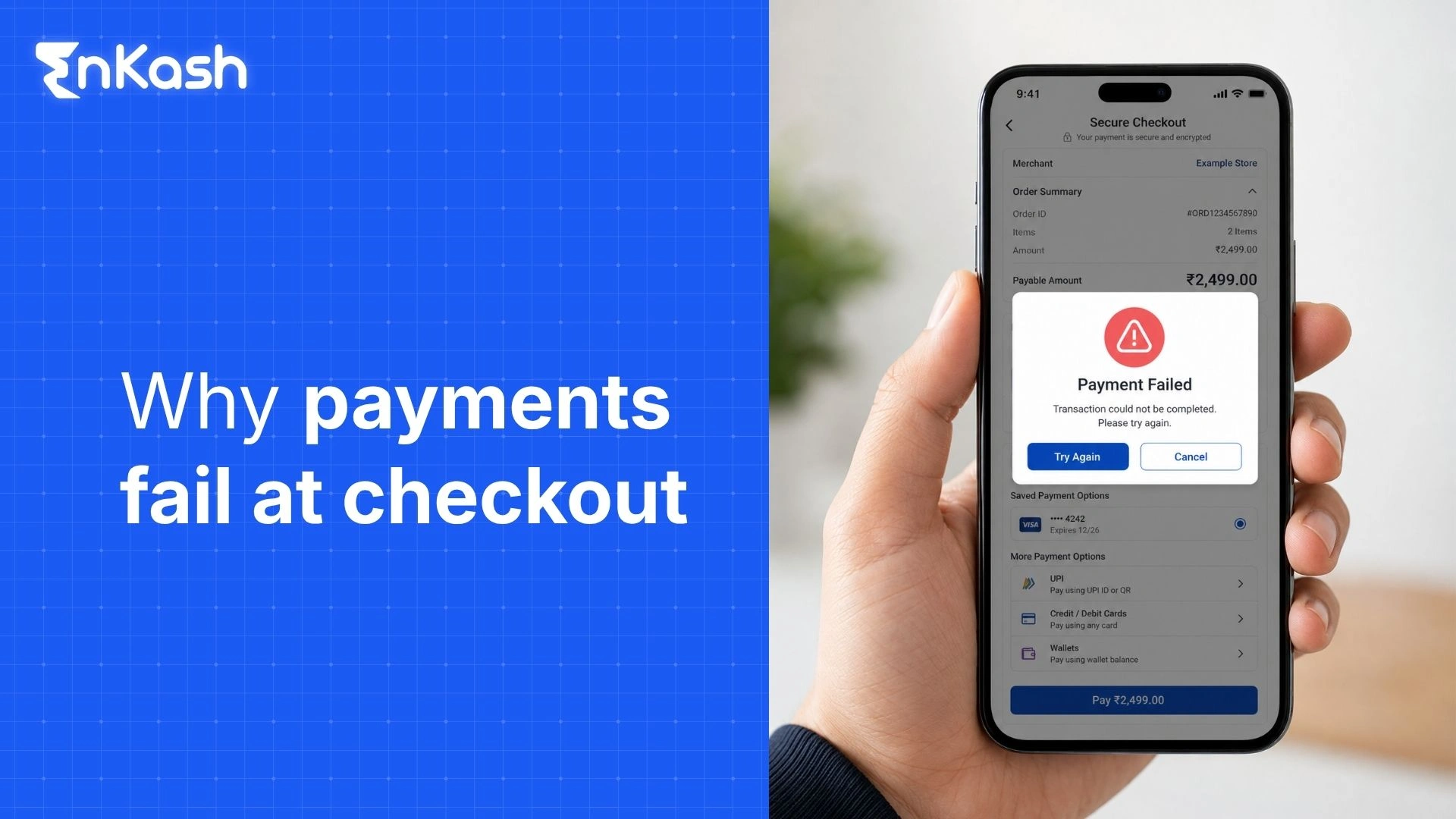
What happens when a scheduled payment fails?
A failed payment should be marked immediately with the failure reason, the bank response, the revised date, and the follow-up owner. This avoids duplicate transfers, missed confirmations, penalty charges, and confusion during reconciliation.
How does payment scheduling support cash flow planning?
Payment scheduling helps users compare expected inflows with upcoming outflows. This makes it easier to reserve funds for important dues and avoid using the available balance for lower-priority expenses.
Which details help verify a completed payment?
A completed payment should have a transaction ID, payment date, bank reference, payee confirmation, invoice number, deduction details, and reconciliation status. These details help during audits, vendor follow-ups, and account closing.
How can payment on time improve business reliability?
On-time payments show discipline to vendors, lenders, landlords, and service providers. It reduces avoidable reminders, protects credit conduct, and helps a business maintain smoother working relationships.