Finance has changed dramatically in recent years, driven by the rapid growth of digital technology. People now use smartphones and the internet for almost every type of payment, making digital transactions a normal part of daily life.
As digital payments continue to grow, businesses are rethinking how they manage money movement and customer transactions. At the same time, companies are modernizing their financial systems to improve efficiency, customer experience, and long-term growth.
What is Payment Orchestration?
Payment orchestration is a system that helps businesses manage multiple payment providers, payment methods, and payment processes from one central platform.
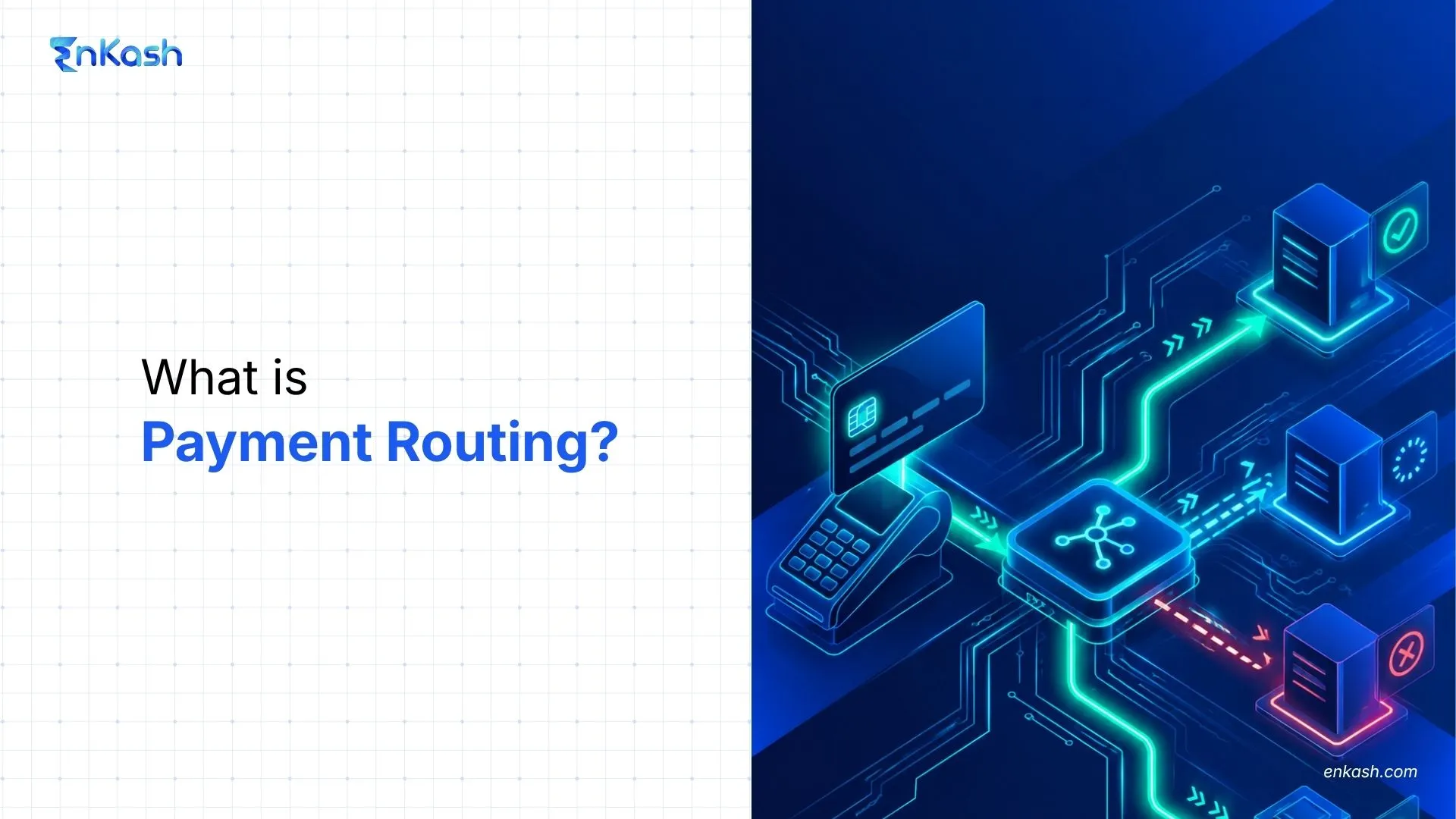
Instead of relying on a single payment gateway, businesses can connect to multiple providers and choose the best one for each transaction. This improves payment success rates, reduces costs, and creates a smoother customer experience.
The Payment Orchestration Layer: Architecture and Key Components
The payment orchestration layer is the operational backbone that connects your checkout experience with a network of payment service providers. It acts as a central hub that controls how payments flow across your system, from authorization to final settlement.
At its core, the orchestration layer is designed to simplify and streamline complex payment operations. It brings together various components that would otherwise require custom development and ongoing maintenance.
Key architectural functions of a payment orchestration layer include:
Smart transaction routing: Directing payments to the most efficient processor based on success rate, cost, or location.
Multi-provider integration: Connecting to multiple payment gateways, acquirers, and local payment methods through one interface.
Retry logic: Re-attempting failed transactions automatically with alternate providers.
Real-time currency conversion: Supporting cross-border payments with instant rate application.
Centralized reporting: Offering a unified dashboard for reconciliation, analytics, and settlement tracking.
Fraud controls: Integrating rule-based or AI-driven systems to flag suspicious activity.
Compliance tools: Enforcing local and global regulations, including Strong Customer Authentication and data localization.
This layered architecture reduces the reliance on a single payment provider. It also helps finance teams move faster, troubleshoot issues quickly, and expand into new markets without starting from scratch.
By adopting payment orchestration, businesses can build a more flexible and scalable payment infrastructure that adapts to shifting customer behavior, regional preferences, and technology updates.
Read more: How to make UPI payment
This layered architecture reduces the reliance on a single payment provider. It also helps finance teams move faster, troubleshoot issues quickly, and expand into new markets without starting from scratch. By adopting payment orchestration, businesses can build a more flexible and scalable payment infrastructure that adapts to shifting customer behavior, regional preferences, and technology updates.
Benefits of Payment Orchestration for Modern Businesses
Modern businesses deal with payment systems that are growing more complex each year. As operations expand across borders and customer preferences shift, managing transactions efficiently becomes a major challenge. Payment orchestration provides the structure and flexibility businesses need to stay ahead without increasing operational load. Here are the key benefits that make orchestration a smart investment:
- Lower Payment Processing Costs
- By using smart routing, transactions can be directed to the most cost-effective providers
- Reduces dependency on a single gateway, allowing businesses to avoid high transaction fees
- Optimizes failed payment retries to reduce loss and increase success rates
- Better Customer Experience
- Supports local payment methods and currencies across regions
- Enables faster, smoother checkout with fewer errors or delays
- Automatically adapts to customer location and device, improving usability
- Easier Global Expansion
- Simplifies integration with over 1,000 payment methods worldwide
- Manages multiple acquirers through one system
- Ensures compliance with local rules, including tax handling, data storage, and authentication
- High Scalability and Control
- Handles large transaction volumes without system breakdowns
- Supports new sales channels with minimal technical changes
- Centralized control over all payments for easier reporting and reconciliation
- Stronger Security and Risk Management
- Adds layers of protection with fraud prevention tools
- Includes identity checks, behavior analysis, and dynamic rule setting
- Helps maintain trust by catching suspicious activity before damage occurs
With payment orchestration, businesses build a strong payment infrastructure that is ready to scale, adapt, and protect. It reduces complexity, increases efficiency, and gives finance teams the control they need to support long-term growth.
Read more: Enhancing collection analytics for accounts receivable
Payment Orchestration vs. Payment Aggregation: A Comparative Analysis
| Basis | Payment Orchestration | Payment Aggregation |
|---|
| Definition | A system that manages multiple payment providers, gateways, and payment methods through a single platform | A service that enables businesses to accept payments through a single provider |
| Primary Goal | Optimize payment performance, reliability, and costs | Simplify payment acceptance |
| Number of Payment Providers | Connects and manages multiple providers simultaneously | Usually relies on a single provider's infrastructure |
| Transaction Routing | Intelligently routes payments to the best provider based on predefined rules | Payments are processed through the aggregator's network |
| Failure Management | Automatically reroutes or retries failed transactions | Limited control over routing and failover |
| Flexibility | High flexibility to add, remove, or switch payment providers | Lower flexibility as businesses depend on the aggregator |
| Global Expansion | Supports multiple currencies, regions, and local payment methods through various providers | Expansion options are limited to the aggregator's capabilities |
| Customization | Extensive customization for routing, fraud checks, compliance, and reporting | Standardized features with limited customization |
| Integration Effort | One integration gives access to multiple payment partners | One integration gives access to the aggregator's payment services |
| Cost Optimization | Can route transactions through the most cost-effective provider | Pricing is determined by the aggregator |
| Analytics and Insights | Centralized reporting across all payment providers | Reporting is generally limited to transactions processed by the aggregator |
| Best Suited For | Mid-sized and large businesses with complex payment needs | Startups and small businesses seeking quick payment acceptance |
How Payment Orchestration Works
1. Customer Initiates a Payment
A customer selects a payment method and proceeds to checkout on a website, app, or payment page.
2. Payment Request Reaches the Orchestration Layer
Instead of sending the transaction directly to a single payment gateway, the request first goes to the payment orchestration platform.
3. Smart Routing Takes Place
The platform analyzes predefined rules such as:
Payment success rates
Transaction costs
Customer location
Payment method
Provider availability
It then routes the transaction to the most suitable payment provider.
4. Payment Is Processed
The selected payment provider processes the transaction and communicates with the customer's bank or payment network for authorization.
5. Automatic Failover (If Needed)
If a transaction fails due to downtime or technical issues, the orchestration platform can automatically retry or reroute the payment through another provider.
6. Fraud and Compliance Checks
The platform can also perform fraud screening, risk checks, and compliance validations before completing the transaction.
7. Payment Confirmation and Reporting
Once approved, the customer receives confirmation, while the business gets access to centralized reporting, analytics, and settlement data.
Implementation Challenges and Best Practices
Introducing payment orchestration into an existing system is not always straightforward. It brings long-term value, but the path to successful integration can present a few challenges. Here are some common hurdles businesses face:
- Integration with Legacy Systems
- Older platforms may not support modern payment orchestration layers
- Custom connectors and middleware might be needed, which can extend timelines
- Complex Technical Setup
- Connecting multiple gateways, fraud tools, and compliance modules can be time-consuming
- A lack of internal development resources can slow deployment
- Regulatory and Security Requirements
- Businesses operating across borders must meet country-specific rules
- Ensuring compliance with data protection laws and authentication mandates adds to the workload
- Resistance to Change
- Teams used to a single provider model may be hesitant to shift
- Education and internal alignment become necessary
To overcome these challenges, companies should follow a few proven strategies:
- Start with a phased rollout. Begin with core regions or use cases before expanding the orchestration setup.
- Choose a vendor with proven integrations. Avoid platforms that require extensive custom coding.
- Map out your goals early. Align the payment orchestration approach with your wider payment strategy. Consider speed, flexibility, and cost efficiency.
- Monitor continuously. Keep track of transaction performance, routing success, and provider uptime to fine-tune the orchestration setup over time.
By planning carefully and building with intention, businesses can move past early barriers and build a payment infrastructure that scales with them.
Read more: How to generate QR codes
Financial Impacts of Payment Orchestration
Higher payment success rates: Smart routing and automatic failover reduce failed transactions, helping businesses recover revenue that might otherwise be lost.
Lower payment processing costs: Transactions can be routed through the most cost-effective payment provider, reducing overall payment acceptance expenses.
Reduced revenue leakage: Failed payments, technical outages, and processor downtime can lead to lost sales. Payment orchestration helps minimize these losses.
Improved cash flow: Higher transaction success rates and efficient payment processing contribute to faster collections and more predictable cash flow.
Better authorization rates: Routing transactions to providers with stronger performance for specific geographies or payment methods can increase approval rates.
Lower operational costs: A single orchestration layer reduces the need for multiple direct integrations, lowering maintenance and development expenses.
Reduced dependency risk: Businesses are less exposed to the financial impact of outages or performance issues from any single payment provider.
Improved global payment efficiency: Support for multiple currencies and local payment methods can increase conversion rates in international markets.
Better visibility into payment performance: Centralized analytics help identify cost-saving opportunities, optimize provider usage, and improve payment strategies.
Scalable payment infrastructure: Businesses can add new providers and markets without significant redevelopment costs, supporting growth more efficiently.