Meaning of E-Bill Payment
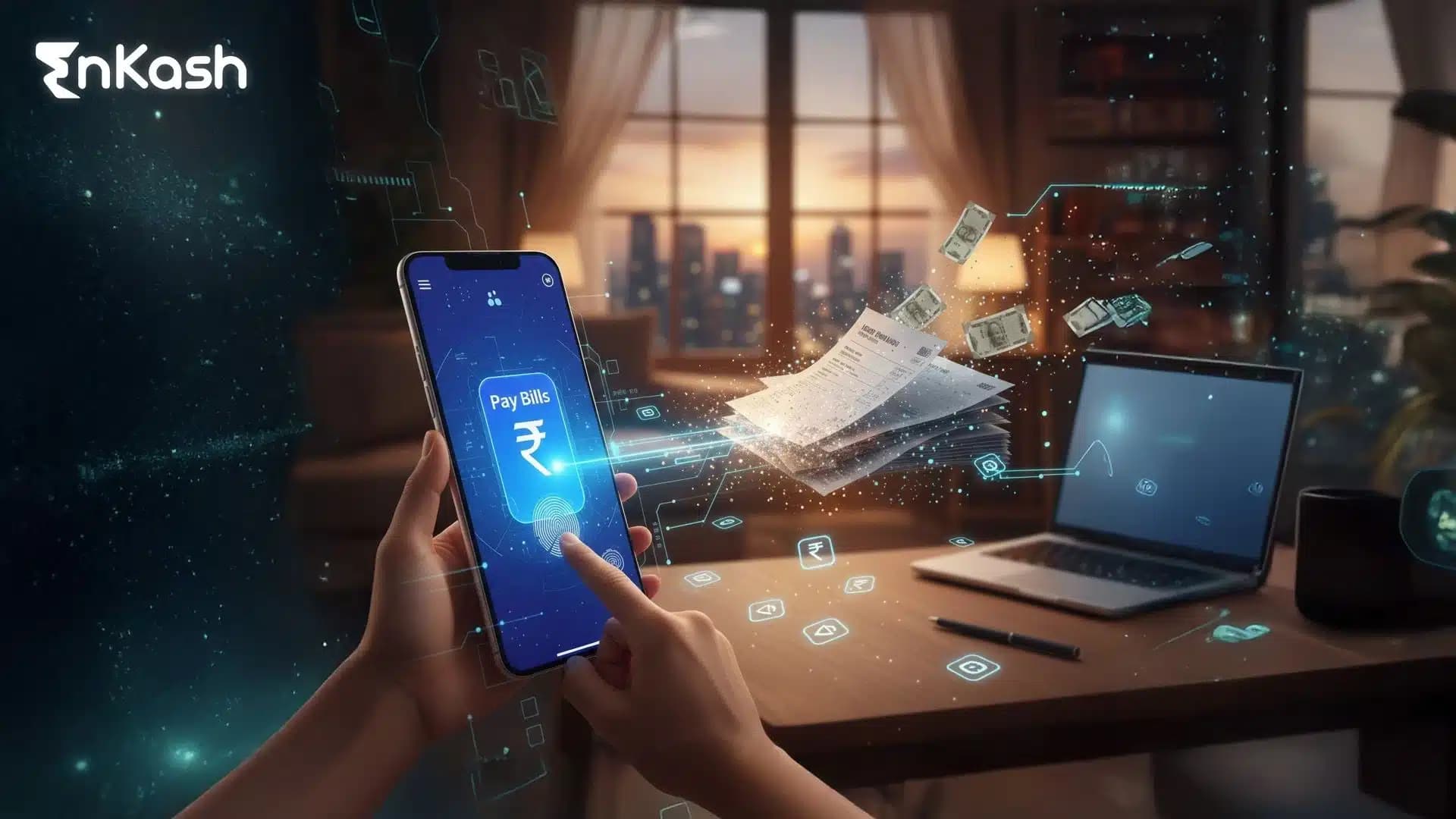
An electronic bill is a digital version of a monthly statement that a service provider sends to a user. It carries the same details as a printed bill but reaches the user through mobile apps, messages, or email. When a person completes an e-bill payment, the update typically reflects quickly on the service provider’s system. This method keeps the entire process clear because everything stays digital from the moment the bill is generated to the moment the payment is confirmed.
People use this system for electricity, water, broadband, mobile services, gas refills, insurance premiums, and loan repayments. The experience feels simple because the bill arrives quickly and the user does not need to store or manage any paper copies. Digital formats also help users check their payments anytime without searching through files or drawers.
Pay Utility BillThe EBPP full form is Electronic Bill Presentment and Payment (EBPP). This model helps billers send structured digital bills through verified channels. Users can view the bill, read the charges, verify the due date, and clear the amount using any supported payment mode. The flow remains consistent across departments and service categories, which reduces errors and makes payments predictable.
This structure supports mobile wallets, banking apps, payment platforms, and government-led systems that connect to verified billers. Users feel more confident when the information comes directly from the source and matches the service they use.
Evolution of Digital Billing in India
Digital billing grew as telecom companies, electricity boards, water departments, and financial institutions shifted towards online systems. The move began when people started relying on smartphones and stable internet connections for their daily tasks. Billers understood this behaviour and introduced online e-billing to reduce the time users spend at counters and offices.
Today, state utilities and major service brands send digital bills by default. Billers use secure platforms to distribute statements, while payment apps fetch the bill automatically with the user’s ID or account number. This transition helped users manage their monthly plans with less effort and more accuracy.
How India’s E-Bill Payment System Works
Role of Bharat Bill Payment System
The Bharat Bill Payment System (BBPS) is the central framework that supports most interoperable digital bill payments in India. It connects electricity boards, water providers, gas companies, telecom operators, broadband firms, lenders, insurance companies, and many other billers under one network. When a user enters their customer number, the platform fetches the latest bill directly from the service provider. This keeps the information accurate and prevents mix-ups.
This unified setup allows payment apps, banking platforms, and authorised partners to display bills in a clean format. Users can view the outstanding amount, previous dues, and any extra details that the biller wants to show. Every step follows a fixed set of rules, which helps maintain reliability.
How Billers Generate and Share E-Bills
Service providers prepare digital bills through secure systems that match each bill to a customer account. Electricity boards create periodic statements based on meter readings, while telecom and broadband companies calculate usage and rental charges. Banks and lenders generate payment schedules for loans and credit lines.
These bills reach users in different ways. Some receive an email. Some receive a text message with a link. Others see the bill directly inside a payment app. The format stays simple and clear, which helps users understand what they need to pay without searching through long documents.
Where Users Receive Their E-Bills
People receive their bills across channels they trust. Email remains popular because users can save and search old statements easily. Mobile apps show bills instantly, which helps during quick payments. Text messages offer short reminders for upcoming due dates. Some billers also reach users through verified messaging platforms, which helps prevent fraud.
This mix of channels gives users control over how they want to handle a bill payment. The flow stays consistent because each channel carries the same verified information pulled from the biller’s system.
Step-by-Step E-Bill Payment Process
How Bill Details Are Fetched and Verified
Digital platforms fetch bills through secure connections that link directly to the service provider. A user enters a customer number, account ID, phone number, or any other unique detail given by the biller. The system checks this information and retrieves the most recent bill in real time. This process helps users see the correct amount and due date without entering anything manually. It also prevents errors that used to happen when people typed long numbers during a bill payment.
Each bill carries clear information. Users can see the billing period, service charges, meter data, plan information, taxes, and any pending dues. This clarity helps them confirm every detail before they move ahead with the payment.
How Payments Are Completed Across Different Channels
Once the user confirms the bill, they can pay through several digital modes. These include bank accounts, cards, mobile apps, payment portals, and verified wallet platforms that support bill pay. Some people prefer using secure apps that fetch bills automatically, while others use a trusted banking platform where they handle other monthly expenses.
The flow is simple. The platform shows the outstanding amount. The user selects the payment method. A quick confirmation appears, and the payment reaches the service provider. This entire movement happens within a few seconds because the digital rails are designed for fast authentication.
People use this process for many services, including electric bill deposits, water bills, broadband plans, mobile postpaid accounts, loan installments, and insurance premiums. The experience stays similar across categories, which helps users build a steady habit of handling bills online.
How Settlement and Digital Receipts Work
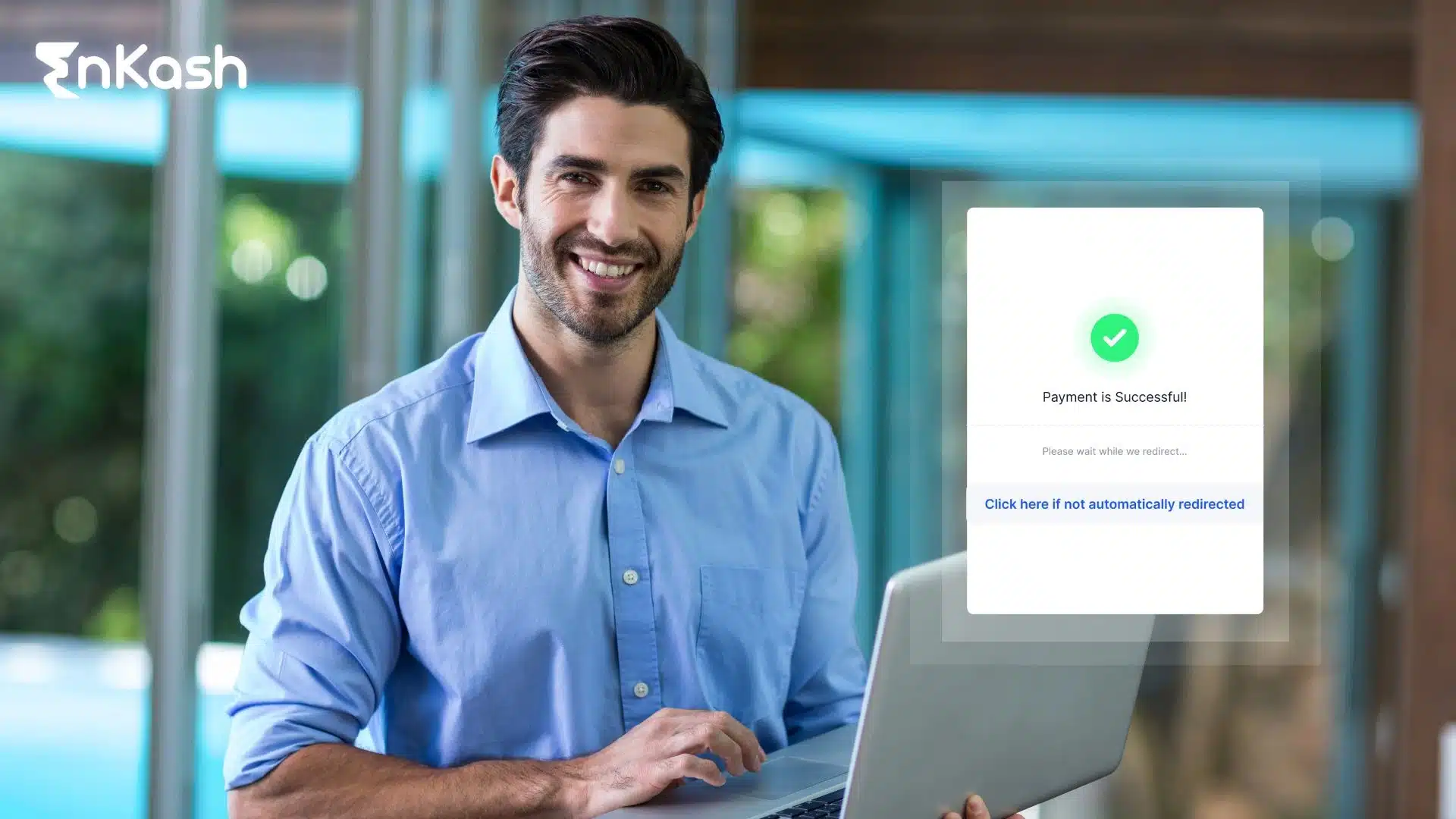
After the payment is approved, the system sends a confirmation message to the user. This message carries a reference number that stays valid for future checks. A digital receipt is created as well, and users can store it for personal records. Many people feel more comfortable with this format because they can trace payments without sorting paper slips.
The service provider receives the update shortly after the user pays. In many cases, the status changes instantly. This helps avoid confusion related to missed payments or delayed updates. The digital trail remains clear at every step, which brings more trust to online bill payment services.
Payment Methods for E-Bill Transactions
UPI and Mobile-Based Payments
Many users rely on mobile apps for their online bill payment needs. These apps allow a person to clear dues from a linked bank account in a few taps. The flow stays smooth because the bill appears automatically when the user enters the correct customer details. The payment reflects quickly, and the confirmation arrives without delay. This method feels convenient for electricity, water, broadband, gas, and phone bills.
The structure works well for people who prefer a simple path. The bill appears. The user checks the details. The payment goes through. The receipt stays stored in the app. This helps people track their monthly spending in one place without carrying printed records.
Net Banking and Card Payments
Net banking remains a trusted option for people who prefer handling bills directly from their bank’s portal. Users log in, search for the biller, view the amount, and clear the payment through a secure page. This path works for large payments, long-term services, and fixed schedules.
Cards also support bill payments for many services. People use them when they want an additional layer of control or benefits linked to their card. The biller receives the update soon after the payment, and the user gets a digital note confirming the transaction.
Wallet-Led Payments
Some people choose wallet platforms to manage their bills. These platforms support bill pay service flows and collect payments across many categories. Users load money into the wallet or link it to their bank account. Once the bill appears, they clear it directly from the wallet balance.
This method helps users who want to limit spending or keep a separate space for utility payments. It also supports quick payments for recurring bills and services that appear multiple times each month.
Automatic Bill Payment and Standing Instructions
People who want a hands-free experience set up automatic bill payment for recurring bills. The amount gets deducted on a fixed date once the bill appears. This helps when someone wants to avoid missed payments or late charges. Many people enable auto bill payment for phone plans, broadband rentals, loan installments, and insurance premiums.
Standing instructions work similarly. The user chooses a date, verifies the amount, and allows the platform to process the bill on their behalf. This reduces the effort needed each month and brings more stability to their payment routine.
Manual and Controlled Payment Flows
Some users prefer a manual method where they choose the time and day to clear a bill. This pattern helps people who want to plan expenses carefully. They check the amount. They confirm the bill. They decide when to pay. This style of bill and pay gives them full control over their monthly cycle.
Platforms also allow people to switch between manual payments and auto bill pay based on their lifestyle and comfort. The freedom to pick either method helps users find a flow that suits their schedule.
Auto Bill Payment in India
What Auto Bill Payment Means
Auto payments help users clear recurring bills without manual effort. A person sets this feature once, and the system pays the bill automatically whenever the amount becomes due. This method feels steady because the bill gets cleared on time, and the user does not need to remember each billing cycle. Many households use auto bill payment for mobile plans, broadband, water charges, and monthly services that repeat regularly.
People who manage several accounts find this feature helpful because everything stays consistent. The bill appears, the amount is deducted, and a message reaches the user as proof. This smooth pattern brings more order to monthly spending.
Risk Controls and Consumer Protection
Digital platforms follow strict checks when they process automatic payments. The user receives a message before the deduction takes place, which helps them stay aware of the amount and the date. If the user wants to stop the payment, they can pause or cancel the instruction through the app or platform they use. This keeps the user in control at every step.
Security layers protect personal and payment information. The channels used to process these payments follow verified guidelines so that the user’s money moves through a safe and approved path. This gives the feature stability, which matters when the same bill repeats each month.
Auto Bill Pay vs Manual Payments
People who prefer full control choose manual payments. They check the amount when they receive the bill, plan their expenses, and clear it on a day that suits them. This helps those who manage their finances in a structured way and want to approve every payment themselves.
Others choose auto bill pay because it reduces the chance of missing a due date. It supports busy schedules where the person may not have time to monitor each bill. Both methods work well because the user can switch between them based on their comfort.
Some services work better with automation, while others feel easier to manage manually. Users decide what fits their routine and keep changing it as their lifestyle evolves. This flexibility is the reason digital platforms continue to grow in this space.
Benefits of E-Bill Payment for Consumers
Reliable Bill Cycles and Clear Due Dates
Digital billing helps people stay on track with their monthly payments. Bills reach the user the moment they are generated, and the information remains easy to read. The due date, amount, and service details appear in a clear format. This reduces confusion and gives people enough time to plan their expenses for the month. When users rely on e-bill payment, they avoid situations where a bill gets misplaced or delayed in the mail. Everything arrives through digital channels they already use every day.
Unified Tracking Across All Services
People handle many bills each month. Electricity, water, broadband, gas, and mobile services follow different cycles, and keeping track of all of them can feel difficult. Digital platforms organise these bills in one space, which helps users monitor past payments and upcoming dues without searching through paper files.
Lower Errors and Accurate Bill Fetching
Manual entry can lead to mistakes, especially when customer numbers or account details are long. Digital systems fetch bills directly from the service provider, which removes the chance of incorrect amounts or duplicate entries. Every detail appears as it is recorded in the biller’s system. This accuracy adds trust to online bill pay service platforms because the user knows the information comes from the correct source.
Faster Dispute Handling and Reversals
Digital records make it easier to solve billing issues. When a user files a complaint, the service provider checks the payment trail, the receipt, and the bill details in one place. This makes the entire process faster. If a reversal is required, the user receives the update through a clear digital message.
Convenient Digital Storage and Easy Access
E-bills and digital receipts remain stored in the user’s app or email. There is no need for paper folders or physical files at home. When a person wants to check a past bill, they can find it within seconds. This helps during tax filing, loan applications, rental agreements, and personal budgeting.
The benefit of making electronic payments of bills lies in the way it simplifies life. Bills appear on time, payments clear quickly, receipts stay safe, and the entire pattern becomes predictable. People spend fewer minutes on routine tasks and gain more clarity over their monthly spending.
Benefits for Billers and Enterprises
Lower Operational Load
Digital billing reduces the need for printed statements, cash counters, and manual entries. Companies save time and resources because the entire flow moves through structured digital systems.
Higher Collection Stability
Reminders, payment notifications, and features like auto bill pay help users clear their dues on time. This steady pattern improves monthly revenue for service providers.
Accurate Billing Records
Every bill connects directly to the customer’s profile, which keeps the data clean. This reduces errors in calculation, duplication, or account mapping and creates a dependable record for both sides.
Simplified Reconciliation
Digital payments generate organised transaction reports. Companies match incoming payments with user accounts faster, and the settlement process stays smooth.
Better Customer Experience
Clear bills, fast updates, and instant confirmations encourage users to trust the service. Companies receive fewer complaints, which reduces support load and improves satisfaction.
Improved Transparency
Each digital bill carries complete details, and the payment trail stays visible. This helps teams track usage, complaints, and corrections without long manual checks.
Regulations and Security for E-Bill Payment
RBI Rules for Digital Bill Payments
The Reserve Bank of India sets the core guidelines that protect users during digital payments. These rules ensure that every e-bill payment moves through a secure channel. Banks and payment platforms must follow strict checks before allowing a transaction to go through. This creates a safe path for users who depend on digital systems for electricity, water, broadband, and other monthly services.
NPCI Standards for Data Protection
The National Payments Corporation of India manages the framework that supports digital bill flows. This includes strong data protection rules, secure transmission paths, and reliable verification methods. These standards safeguard sensitive information, keep account details protected, and make sure every payment reaches the correct biller.
Consumer Safety Practices
Users play an important role in keeping their payments secure. Trusted apps, verified websites, and official channels reduce the chance of fraud. People receive clear messages after every bill payment, which allows them to confirm the status immediately. Secure logins, clean interfaces, and transparent payment paths help users stay confident while managing their bills online.
Conclusion
Digital billing has changed the way people manage monthly responsibilities. Users receive clear statements, complete their online bill payment, and track their expenses without handling paper files. The flow feels steady because every update reaches them through secure channels. Service providers benefit from cleaner records and smoother collections, while users enjoy faster confirmations and organised payment history. Features like auto bill payment help create a more reliable routine for households that handle many services each month. Digital systems continue to improve, and this shift will guide the future of everyday bill management.
FAQs
1. What is e-billing in India?E-billing in India means receiving your utility or service bills in digital form instead of paper. The bill is generated by the service provider, shared via email, SMS, app, or BBPS platforms, and can be paid instantly through UPI, net banking, cards, or wallets.
2. How does an e-bill reduce errors during monthly bill management?An electronic bill reduces mistakes because the information comes straight from the biller’s system. The amount, due date, and customer details appear exactly as recorded, which prevents typing mistakes or incorrect entries. This makes every e-bill payment more reliable and helps users avoid confusion that occurs when handling paper statements or manual notes.
3. Can digital bills help people track long-term spending patterns?Digital platforms store bills in one place, which helps users review older charges without searching through folders. This history gives people a clear picture of their monthly spending. Users can understand usage changes, compare past and current charges, and make better decisions for future plans. This clarity encourages consistent online bill payment behaviour.
4. Why do electricity boards prefer digital bills over printed ones?Electricity boards save time and resources when they use digital bills. Printed statements require paper, physical delivery, and manual handling. Digital systems send the bill instantly and present the correct reading. This allows people to complete electric bill deposits faster and reduces the load on counters that manage a large number of customers each month.
5. How do payment platforms fetch the correct bill from a service provider?Payment platforms use a secure link that connects to the biller’s system. When the user enters a customer number, the platform checks this number against the biller’s database and retrieves the latest bill. This ensures that every bill payment reflects the correct amount, billing period, and due date without any manual adjustments.
6. What makes a digital bill more transparent than a printed bill?A digital bill presents charges in a clear structure. Service fees, past dues, usage details, and any additional charges appear in separate sections. Users can zoom, search, or save the file for easy reference. This format improves the bill’s readability and makes online e-billing a convenient choice for people who want simple and accurate information.
7. How do automatic bill payment features help users manage busy routines?Features like automatic bill payment remove the need to handle each bill manually. The system clears the amount when the bill appears, and the user receives a confirmation message. This prevents missed due dates and helps people who manage several services. It also reduces stress during months when users have limited time to monitor every account.
8. Are digital receipts accepted for legal or financial verification?Digital receipts hold the same value as printed ones because they contain a reference number, payment time, and biller details. People use them for rental agreements, financial checks, or personal records. Many organisations accept these receipts because they reflect accurate information generated by verified bill pay service platforms.
9. How secure are payments made through an online bill pay service?Payments made through a trusted online bill pay service move through verified channels that follow strict security rules. These platforms use safe logins, encrypted environments, and clear confirmation messages. The user sees every transaction in real time. This keeps the payment journey transparent and reduces the chance of fraud during digital bill handling.
10. Can digital bill platforms support different payment preferences?Digital bill platforms support both manual payments and auto bill pay, giving users control over their routine. People who want to review every bill choose the manual method, while others allow the system to clear recurring charges. The platform supports both styles, which helps users manage their monthly cycle without adjusting their personal habits.
11. How does e-billing improve customer support for large service providers?Digital billing gives service providers clean records for every transaction. When a user raises a question, the support team checks the bill, receipt, and payment trail quickly. This limits back-and-forth conversations and shortens resolution time. The clarity in digital records encourages trust and makes bill and pay interactions more efficient for both sides.