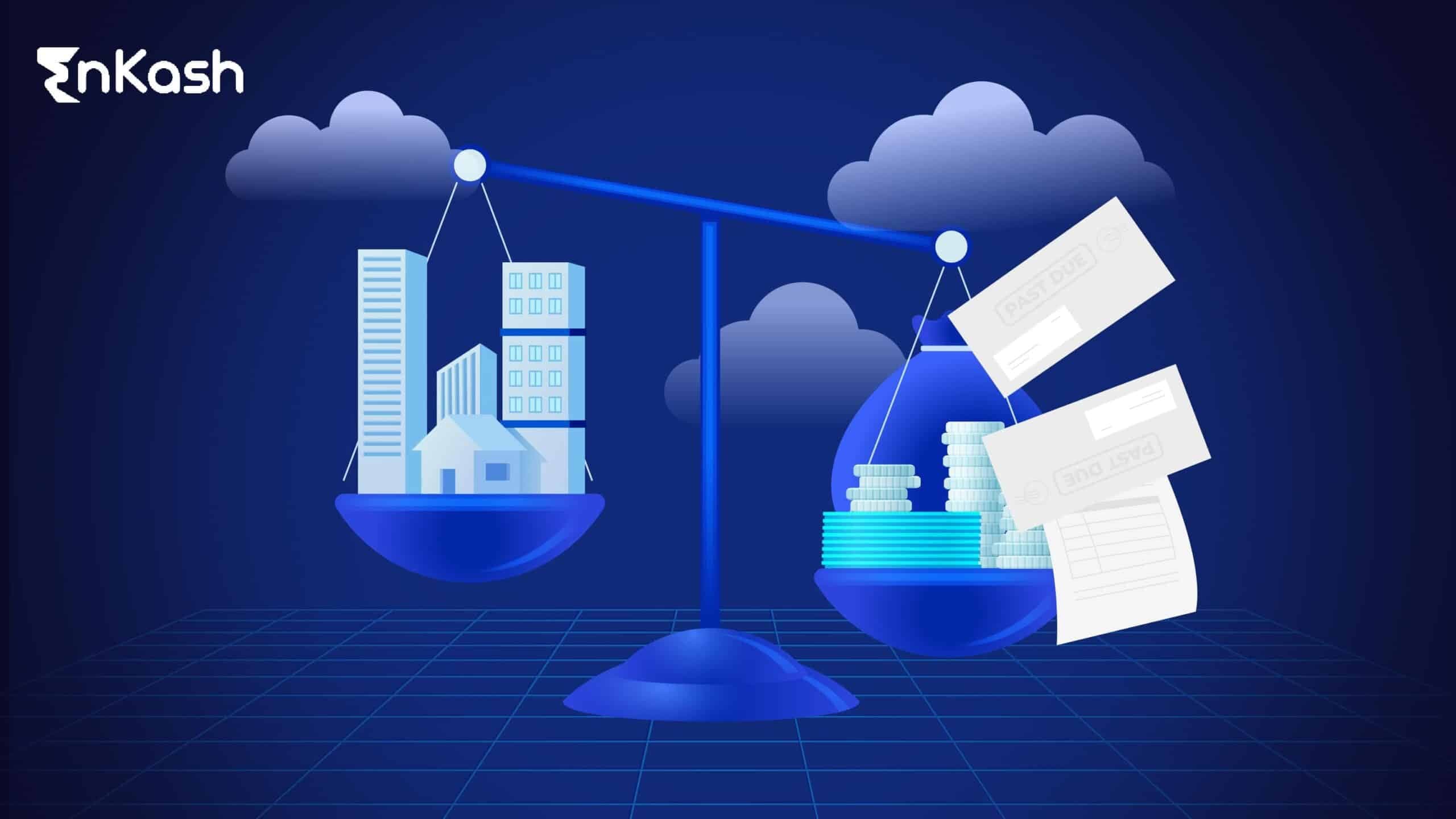
Personal and business finance success relies heavily on the effective use of assets and liabilities. Assets can be categorized as current, fixed, tangible, and intangible, depending on their purpose. However, liability can be divided into current, non-current and contingent. That means the responsibility of paying. The difference between the assets and liability within the company's management and financial direction needs to be kept in control. Maintaining balanced assets vs liabilities is important for financial sustainability and long-term growth.
Introduction
Assets and liabilities meaning is embedded in the financial world, and for a good reason. For everyone who wants to stay financially healthy or build their wealth, separating assets from liabilities is something you should understand. Whether we are talking about your personal finances or managing a company, making the right decisions for the business depends on how you distinguish the two. Put simply, assets are what you own; liabilities are what you owe.
With those terms defined, we can see what it means to think about assets vs. liabilities in terms of the different types of assets and liabilities that exist. Recognizing and leveraging assets vs. liabilities helps to make sound financial planning and management decisions in the short run (for example, in a day) and the long run (for example, in years).These various types of assets and liabilities will help us understand how financial planning and management function. By considering assets vs. liabilities, one’s achievement of sustainability will be enhanced, whether on a personal or organizational level.What are Assets and Liabilities?
The main ingredients of financial planning are assets and liabilities. Understanding these concepts will allow you to figure out your net worth.An asset is a resource that is owned by an individual or business. This resource generates income or provides a future economic benefit. It includes property, such as real estate, as well as cash, investments, and inventory. Assets are important for businesses because they help the business grow, make money, and provide liquidity when the company goes through a difficult time financially. Assets can be divided into different types, such as current assets, which are convertible to cash within a year, and fixed assets, which are long-term assets that help with the operation of a business.Liabilities, by contrast, are obligations or debts that a person or business owes to others. These could take the form of loans, mortgages, accounts payable or accrued expenses, all of which need to be paid off over time through the transfer of money, goods or services. Liabilities are a useful way of analysing the financial health of a company because they show how much a firm or individual owes to outside stakeholders.The difference between assets and liabilities is that the former enables the generation of wealth while the latter represents commitments to be honoured. Finding the right balance between them is the key to good financial management.Key Differences Between Assets and Liabilities
While both assets and liabilities are crucial for understanding an individual’s or a business's financial standing, they serve opposite purposes in financial management. The difference between assets and liabilities can be broken down into various aspects, including ownership, function, and financial implications.
Ownership
The most significant difference lies in the fact that assets are things you own, whereas liabilities are what you owe. For example, owning a house or stock investments would be classified as assets, while a home loan or unpaid bills would be categorized as liabilities.
Purpose
Assets are used to create value, generate income, or support operational functions, such as equipment for a business. On the other hand, liabilities represent obligations or debts that require financial outflow. A liability could be a loan that a company needs to repay, while an asset could be the property or equipment purchased with that loan.
Impact on Financial Statements
Assets are listed on the left side of the balance sheet, and liabilities on the right. Assets positively contribute to the net worth of the owner, whereas liabilities subtract from the net worth. The formula for net worth is:Net Worth = Total Assets - Total LiabilitiesTypes
Assets can be classified as current (short-term) or non-current (long-term) according to how easily they can be changed into cash. Similarly, liabilities can be classified as current liabilities (short-term liabilities) or non-current liabilities (long-term liabilities). A short-term loan would be classified as a current liability, whereas a mortgage payable over many years would be classified as a non-current liability.Risk
Asset and liability management is also about recognising that while assets such as investments fluctuate in value, liabilities are fixed obligations on which you probably pay interest, perhaps compounding liabilities over time. Getting liabilities wrong might lead to financial instability, while productive asset accumulation can create wealth.Identifying the key differences between assets and liabilities can be crucial for individuals and businesses as they strive to create a sound financial plan that minimises risk while maximizing returns. Types of Assets
Assets are categorized into several types, each playing a unique role in personal and business finance. Understanding the different types of assets can help individuals and businesses make informed decisions about resource allocation, investments, and long-term planning. Below are the primary categories of assets:
Current Assets
Current assets are short-term assets that can be converted into cash within a year. These include cash, inventory, accounts receivable, and short-term investments. For a business, current assets are crucial for maintaining liquidity and ensuring smooth operational flows. They are typically used to pay off current liabilities, like accounts payable or short-term debts. In personal finance, liquid assets such as bank savings and cash on hand fall under this category.
Fixed Assets
Also known as non-current assets, fixed assets are long-term resources that a company or individual uses to generate income over several years. These include properties, machinery, and equipment that are necessary for business operations but cannot be easily converted into cash. For example, a manufacturing company's machinery or a piece of land is considered a fixed asset. In personal finance, your house or a long-term investment like a retirement fund can be categorized as a fixed asset.
Tangible Assets
Tangible assets are physical items that have measurable value and can be touched, such as real estate, equipment, or vehicles. Tangible assets are vital in industries where production and physical operations are central to success. These assets usually depreciate over time, and businesses account for this depreciation when calculating their long-term value.
Intangible Assets
Unlike tangible assets, intangible assets
are non-physical resources that hold significant value. Examples include intellectual property such as patents, copyrights, trademarks, and goodwill. These assets are especially valuable in knowledge-driven industries like technology and media, where brand value and innovation are key. For example, a company like Apple values its trademarks and patents more than the physical assets it owns. In personal finance, intangible assets may include education or specialized skills that provide long-term economic benefits.Financial Assets
Financial assets refer to investments such as stocks, bonds, mutual funds, and other securities. These assets generate income over time, either through interest, dividends, or capital appreciation. Financial assets are crucial for both individuals and businesses aiming to grow their wealth in the long term. These types of assets are highly liquid compared to fixed or tangible assets, meaning they can be converted to cash relatively easily.
Operating vs. Non-Operating Assets
Operating assets are the resources used in day-to-day business operations, such as inventory, equipment, and accounts receivable. In contrast, non-operating assets include items like excess cash or investments that aren't necessary for the core business activities but still contribute to the company's overall financial health.
Understanding the different types of assets
is essential for managing them effectively. Each type serves a specific purpose in maintaining liquidity, supporting business operations, or generating income. Proper asset management can ensure long-term financial stability, especially when balanced with liabilities.Also Read: What are Non-Operating Expenses Types of Liabilities
Liabilities are financial obligations that individuals or businesses must settle, either in the short or long term. Understanding the types of liabilities is essential for managing debt and maintaining financial stability. Liabilities can be categorized into the following types:
Current Liabilities
Current liabilities must be settled within a year. These typically include accounts payable, short-term loans, taxes payable, and accrued expenses. For businesses, current liabilities are crucial to monitor since they impact short-term liquidity. In personal finance, credit card debt and unpaid utility bills are examples of current liabilities. Managing these liabilities effectively is important to ensure they don’t accumulate and burden the overall financial health.
Non-Current Liabilities
Non-current liabilities, also known as long-term liabilities, are obligations that extend beyond one year. These types of liabilities are essential for financing large projects or purchases that cannot be settled in the short term. Businesses often rely on non-current liabilities to fund major capital investments, while individuals may use long-term debt for purchasing homes or financing education. Managing non-current liabilities carefully is vital for long-term financial planning as these often come with interest obligations, which can increase over time.
Contingent Liabilities
Contingent liabilities may arise based on the outcome of a future event. These liabilities are not guaranteed and depend on certain circumstances. Examples include pending lawsuits or warranty obligations. Businesses usually disclose contingent liabilities in their financial statements if the likelihood of the event occurring is significant. While these liabilities may not always materialize, understanding their impact is crucial in evaluating financial risks.
Operating vs. Non-Operating Liabilities
Operating liabilities are obligations related to the core operations of a business, such as accounts payable or wages payable. In contrast, non-operating liabilities include debts that are not tied directly to day-to-day operations, like interest on loans or taxes owed. Distinguishing between these two types is important for businesses to allocate resources efficiently and avoid liquidity crises.
Secured vs. Unsecured Liabilities
Secured liabilities are debts that are backed by assets, such as mortgages or car loans, where the lender has a claim on the asset if the borrower defaults. On the other hand, unsecured liabilities are not backed by any specific asset. Credit card debt and personal loans are common examples of unsecured liabilities. Secured liabilities often carry lower interest rates due to reduced lender risk, while unsecured liabilities can lead to higher borrowing costs.
Financial Liabilities
Financial liabilities refer to any debts or obligations that a business or individual must repay, including loans, bonds, and notes payable. These liabilities often come with interest payments, which can increase the overall financial burden over time. Managing financial liabilities effectively ensures that interest payments do not outweigh revenue or personal income.
Understanding and managing these types of liabilities
is key to maintaining financial stability. Balancing both short-term and long-term obligations while minimizing contingent liabilities helps prevent financial strain and ensures that resources are available for growth and development.How to Manage Assets and Liabilities Effectively
Effectively managing assets and liabilities
is essential for achieving long-term financial stability and growth. Whether for personal finance or business, balancing these elements ensures that resources are used efficiently while minimizing the risks associated with debt. Here are some strategies for managing both assets and liabilities:Asset Management Strategies
Managing assets
involves making decisions about acquiring, holding, or disposing of resources to maximize financial benefits. The key to effective asset management lies in ensuring that your assets are working for you.- Diversify Investments: Avoid concentrating too much in one asset class. By spreading investments across various asset types, such as real estate, stocks, bonds, and cash, you reduce risk while increasing the potential for returns.
- Monitor Liquidity: Ensure that your portfolio includes liquid assets like cash or easily sellable investments to cover any short-term needs or unexpected financial obligations.
- Maximize Asset Value: Regularly evaluate assets for appreciation potential. For businesses, this might involve upgrading equipment or investing in employee training to enhance productivity. For individuals, it may involve real estate or stock market investments aimed at long-term growth.
Liability Reduction Methods
Properly managing liabilities involves minimizing debt and controlling the costs associated with borrowing. By addressing liabilities strategically, individuals and businesses can reduce financial stress and create a more stable financial foundation.
- Prioritize High-Interest Debt: Focus on paying off high-interest liabilities first, such as credit card debt or personal loans. Reducing these liabilities early lowers the amount of interest paid over time, saving money in the long run.
- Debt Consolidation: For individuals with multiple loans, consolidating them into a single loan with a lower interest rate can make repayment more manageable and reduce the overall interest burden.
- Negotiate Payment Terms: Businesses can negotiate better payment terms with creditors or suppliers, which can reduce the short-term pressure on cash flow and allow more flexibility in managing current liabilities.
- Refinancing Long-Term Debt: Consider refinancing long-term liabilities, like mortgages, to take advantage of lower interest rates, reducing the monthly payment and total interest paid over time.
Balancing Assets vs. Liabilities
The key to effective financial management lies in maintaining the right balance between assets
and liabilities
. Regularly review your balance sheet to ensure that your assets are growing while your liabilities are being reduced. For businesses, this can be achieved through budget management and financial planning. For individuals, creating an emergency fund, maintaining a diversified portfolio, and controlling debt are essential to ensuring financial health.The Importance of Balancing Assets and Liabilities
Achieving a proper balance between assets and liabilities is essential for long-term financial stability and growth. Whether for individuals or businesses, maintaining this balance ensures that liabilities are not overwhelming, while assets continue to grow and generate income.
Financial Stability
One of the main reasons for balancing assets and liabilities is to achieve financial stability. A disproportionate amount of liabilities, especially high-interest debts, can lead to financial strain. By maintaining sufficient assets—particularly liquid assets like cash or easily convertible investments—you can handle unforeseen expenses and cover liabilities as they come due. This is especially important for businesses, which need to ensure enough liquidity to cover current liabilities while also investing in growth.
Wealth Accumulation
Balancing assets vs liabilities
also plays a key role in wealth accumulation. The more assets you accumulate while reducing liabilities, the stronger your financial position becomes. For businesses, this balance translates into higher profitability and a healthier balance sheet. For individuals, it means a greater capacity to save, invest, and achieve financial goals, such as purchasing a home or funding retirement.Long-Term Planning
Properly balancing assets and liabilities is essential for long-term financial planning. Liabilities, especially long-term ones like mortgages or business loans, need to be managed in such a way that they don't hinder your ability to grow your assets. Planning for the long term involves regularly reviewing both assets and liabilities to ensure that liabilities are decreasing and assets are increasing. This balance is critical for ensuring that future financial goals are met without undue financial pressure.
Risk Management
Effective management of both assets and liabilities also contributes to better risk management. Excessive liabilities, particularly those with high interest rates, can increase financial vulnerability. On the other hand, maintaining diverse and liquid assets
helps to cushion against financial downturns or unexpected expenses. For businesses, this balance allows them to weather economic challenges, while individuals benefit from knowing they have enough resources to manage any financial shocks.Balancing assets vs liabilities
is more than just a financial necessity—it’s a strategy for building a solid financial future. By managing debt responsibly and ensuring that assets are growing steadily, individuals and businesses can achieve both stability and long-term success.Conclusion
Understanding the relationship between assets and liabilities is crucial for both individuals and businesses aiming for financial success. Assets represent the resources that help generate income and grow wealth, while liabilities are financial obligations that need to be settled. Knowing how to differentiate and manage both is key to ensuring long-term financial stability.
Balancing assets vs liabilities
is not just about reducing debt but also about maximizing the value of your assets. By diversifying your asset base, focusing on liquidity, and managing liabilities like short-term debts and long-term loans effectively, you can secure financial health. For businesses, this balance ensures smoother operations, improved profitability, and better risk management. For individuals, it allows for better financial planning, from building an emergency fund to saving for long-term goals like retirement.In essence, keeping track of your assets and liabilities
allows you to maintain control over your financial life, enabling growth and safeguarding against unforeseen challenges. A proactive approach to managing both sides of the balance sheet will lead to a more secure and prosperous financial future.FAQs
What is the purpose of maintaining assets and liabilities?Assets help in wealth creation, while liabilities are necessary for financing certain purchases or operations. Properly managing both ensures financial health.Can liabilities ever be considered beneficial?Yes, liabilities like loans can be beneficial if used wisely, such as financing investments that generate income or improve financial standing over time.What happens if liabilities exceed assets?When liabilities exceed assets, it leads to negative net worth, which can cause financial strain. It indicates that a person or business may struggle to meet its financial obligations.How often should you review your assets and liabilities?It’s recommended to review your assets and liabilities at least once a year. However, more frequent reviews can help make timely adjustments based on financial goals or market conditions.Are all assets considered equal in value?No, assets vary in value based on their liquidity, potential for appreciation, and role in generating income. For example, cash is more liquid than real estate but may not appreciate over time like property can.How can businesses leverage their liabilities effectively?Businesses can leverage liabilities by taking loans for expanding operations or investing in technology. The key is ensuring that these liabilities contribute to long-term growth and profitability.Is it better to have more assets than liabilities?Generally, yes. Having more assets than liabilities indicates financial strength and flexibility. However, a balance is necessary as some liabilities, like business loans, can help achieve growth.What is the role of contingent liabilities?Contingent liabilities are potential obligations that depend on future events. While they may not materialize, it’s important to account for them in financial planning to prepare for unexpected financial outcomes.How do intangible assets contribute to financial growth?Intangible assets like patents, trademarks, or goodwill can significantly enhance a company’s competitive advantage, helping generate future revenue even though they don’t have a physical form.What’s the difference between financial liabilities and operating liabilities?Financial liabilities include debts like loans and bonds, while operating liabilities are obligations tied to everyday business operations, such as wages payable or accounts payable.