The Shift in Corporate Payment Systems
Most finance teams today are under pressure to manage spending more clearly and efficiently. Old methods like cheque reimbursements, company credit cards, and handling cash can slow things down and leave too much room for error. When payments are scattered across different teams and channels, it becomes hard to track who spent what, when, and why. Prepaid cards for businesses offer a simpler, more organised way to manage everyday spending. The basic prepaid card's meaning is that funds are loaded onto the card in advance. Employees can use the card for approved expenses, but only within the limits set by the company. This makes it easier to control budgets without needing constant approvals or risk of overspending. Across industries, businesses are now exploring prepaid card solutions as part of their routine operations. In India, many companies are choosing the best prepaid cards in India to handle travel costs, team allowances, vendor payments, and more. These cards are helping finance teams stay on top of expenses while giving employees more freedom to get their work done. With a reliable prepaid card platform, every transaction can be tracked in real time. In this blog, you’ll learn how business prepaid cards work and what sets them apart from other tools. We’ll also help you understand how to choose the right prepaid card, compare options, and break down business prepaid card benefits for finance team management. Whether you're searching for the best prepaid cards for your company or simply want better control over prepaid card expenses, this guide has the answers. Read More: Corporate Credit Cards: Eligibility, Benefits & Application Process
What Are Business Prepaid Cards? Core Principles Explained
Managing business expenses has always been a challenging task, especially when companies rely on credit cards or reimbursement processes. These methods often lead to confusion, delays, or overspending. As teams grow and expenses increase, companies are looking for simpler ways to manage spending without losing control. This is where prepaid cards for businesses come in. These cards are becoming a common choice for finance teams who want to track expenses in real time and avoid unnecessary paperwork. To understand why they work so well, it helps to break down the basic structure of how they function. Here are the core principles behind how prepaid card works:
- Defined Funding: The company loads a fixed amount of money onto the card. This preloaded balance is what employees can use. They are not linked to a credit line or a business bank account.
- Spending Limits: Employees can only spend what is already loaded. Once the balance is used, the card stops working until recharged. This helps control budgets and prevents overspending.
- One-Way Flow: Unlike credit or debit cards, money does not flow out automatically or create debt. The card only uses funds that are already set aside by the business.
- Transaction Tracking: Every time the card is used, the details are recorded and shared with the finance team. This helps improve visibility and reduces the need for manual reporting.
- No Reimbursement Delays: Employees no longer need to pay from their own pocket and wait for refunds. With a prepaid business expense card, all approved costs are paid directly.
- Easy Customisation: Many companies choose employee expense card options based on department or purpose. For example, a card can be used only for travel, fuel, or vendor purchases.
- Controlled Use: With the help of a reliable prepaid card platform, finance teams can set usage rules, restrict certain vendors, and monitor all activity in real time.
The prepaid card's meaning may sound simple, but the benefits are far-reaching. For businesses that want clarity, speed, and control, these cards offer a strong solution.
Exploring the Different Types of Business Prepaid Cards
Not all prepaid cards are the same. Businesses use different types of cards depending on the nature of the expense, the number of users, and how often the cards need to be reloaded. Choosing the right card starts with knowing the available options and what each one is built for. Here’s a clear look at the main types of prepaid cards for businesses:
Physical vs Virtual Cards:
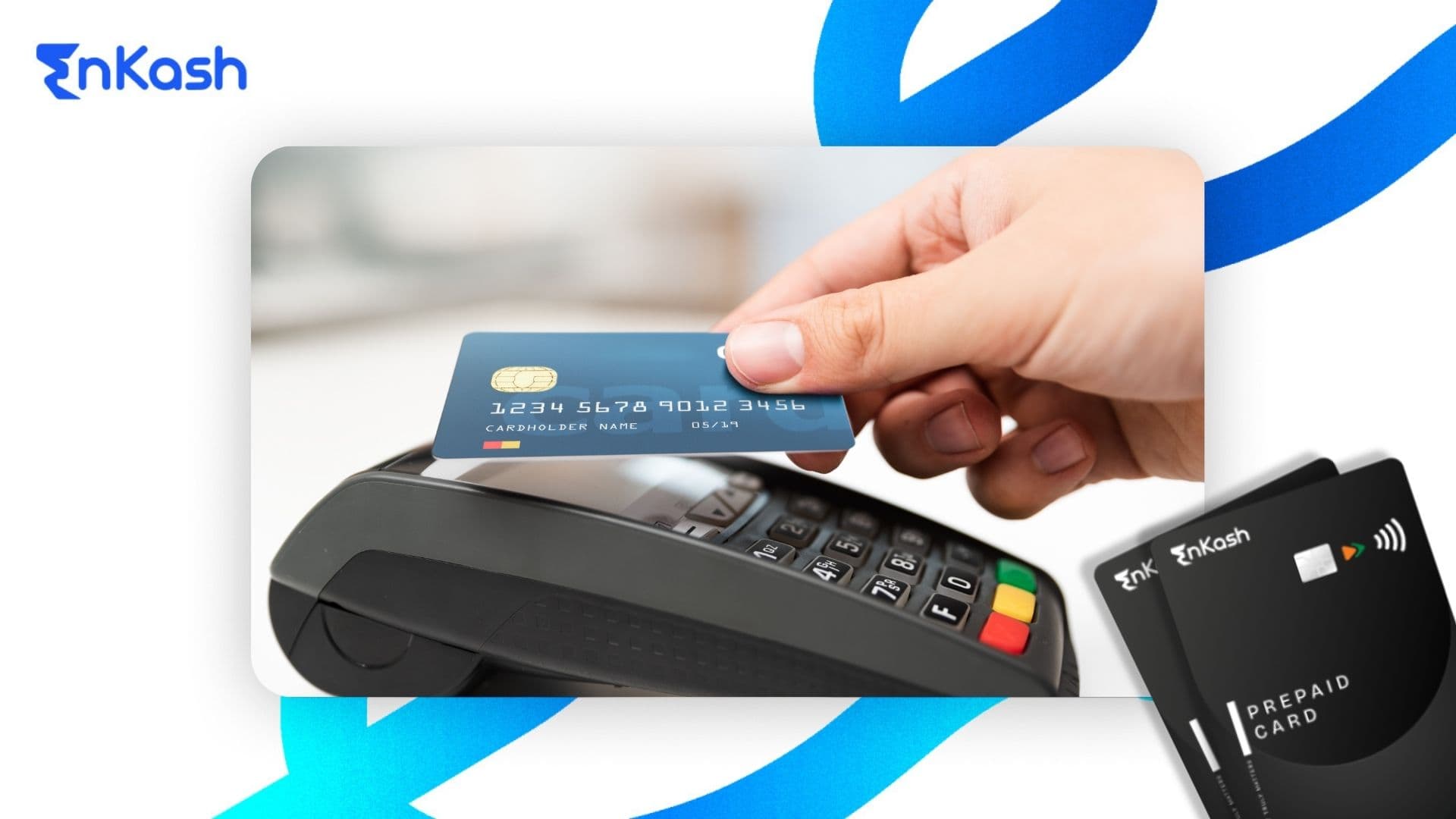
A physical card looks and works like any regular payment card. It can be swiped or tapped at stores, fuel stations, or restaurants. A virtual card, on the other hand, exists only in digital form. It is used mostly for online transactions. Many companies use virtual cards to issue funds quickly to remote teams or freelancers.
Open-Loop vs Closed-Loop Systems:
Open-loop cards can be used anywhere that accepts standard card networks like Visa or Mastercard. These are suitable for most business use cases. Closed-loop cards work only with specific merchants or within a company’s internal system. For example, a card usable only at a certain fuel chain or a partner vendor is a closed-loop card.
Reloadable vs Non-Reloadable Cards:
Reloadable cards can be topped up with new funds whenever needed. These are ideal for ongoing team expenses like travel or office supplies. Non-reloadable cards come with a fixed value and are often used for one-time payments, rewards, or gifts.
Single-Use vs Multi-Use Purpose Cards:
Some employee expense card types are created for a single task, like booking a hotel or paying a vendor. Others can be reused for daily tasks and reissued monthly as needed. This makes it easier for teams to stay within budgets without needing to apply for new cards each time. Understanding these options makes it easier to decide how to choose the right prepaid card. By matching card types to team needs, businesses can reduce misuse, improve tracking, and keep every rupee accounted for. Selecting the right prepaid card platform also ensures that these cards can be managed and monitored easily across departments.
Key Features That Make Prepaid Cards Valuable for Businesses
A business prepaid card is beyond simply a way to pay. What makes it useful is the set of features that help finance teams manage money with accuracy and control. These features are designed to make day-to-day operations easier, reduce paperwork, and support better decision-making. Here are the most important features of prepaid cards for businesses that make them a strong choice for managing expenses:
- Spending Controls: Finance teams can set spending limits based on department, role, or use case. This ensures that employees stay within budget. You can also restrict certain types of transactions, such as blocking entertainment expenses or limiting the card to travel costs only.
- Real-Time Tracking: Every transaction made using the card appears instantly on the dashboard. With a good prepaid card platform, teams can see where money is going without waiting for end-of-month reports. This improves response time when something unusual shows up.
- Custom Usage Rules: Some cards allow you to create custom rules based on vendor, location, or time. For example, an employee expense card can be limited to business hours or approved merchants. This reduces the risk of misuse while giving employees the freedom to manage their duties.
- Alerts and Notifications: Prepaid systems can send automatic alerts for low balances, unusual activity, or large payments. These notifications help both users and finance teams stay aware of card activity without needing to log in constantly.
- Detailed Reports and Analytics: One of the biggest advantages is the ability to download full reports with expense breakdowns. These reports help finance leaders understand trends, spot unnecessary spending, and plan budgets with greater confidence.
- Integration with Accounting Tools: Most platforms offer ways to link card data with your existing accounting software. This saves time during bookkeeping and simplifies audits. It also ensures better control of prepaid card expenses across teams.
By using the right prepaid card solutions, businesses can remove guesswork from expense management. The goal is not only to give employees a way to pay but also to help finance teams run smoother operations with fewer manual steps.
For teams comparing prepaid cards with broader spend-management tools, this combines corporate cards with built-in spending controls, real-time tracking, and automated expense reporting. Its platform can help finance teams set budgets and limits before employees spend, while AI-powered receipt and expense workflows reduce manual follow-up. This makes it a relevant alternative when a business needs card-based control alongside accounting and expense automation.
Planning and Implementing a Prepaid Card Program
Setting up a business prepaid card system takes planning, clear goals, and the right tools. It is not a plug-and-play process. Finance teams need to think through how the program will fit into daily operations and how it will support control, speed, and accountability in spending. Here is a clear step-by-step guide to help teams introduce prepaid card solutions in a structured way:
- Start with a Needs Assessment: Begin by identifying what your company wants to solve. Are you trying to manage travel costs, vendor payments, or day-to-day field expenses? Estimate how many users will need cards and how frequently they'll be used. This helps you set the right structure from the beginning.
- Involve All Key Departments: Finance leads the setup, but the program affects multiple teams. Include department heads, procurement, HR, and IT early in the process. Their inputs will help ensure that the setup meets real needs across the company.
- Select the Right Vendor: Pick a provider that offers a dependable prepaid card platform with clear pricing, good support, and the ability to scale. Review transaction limits, recharge options, mobile access, and whether the platform supports accounting tool integration. The best prepaid cards are those that fit your business size and use case.
- Run a Pilot Program First: Test the cards with a small group. Choose teams that handle regular expenses like travel or office supplies. A short pilot allows you to check for gaps, gather feedback, and adjust card settings before rolling it out company-wide.
- Set Clear Rules and Controls: Define who can spend, how much, and on what categories. The platform should allow you to build these rules into the system. With the right controls, each employee expense card can be used as intended without room for confusion.
- Train Teams Before Launch: Give employees simple, clear instructions on how to use the card, track spending, and report problems. Training materials can include email guides, video walkthroughs, or quick demos. Proper training minimizes errors and delays.
- Track and Improve: Once live, monitor usage and trends closely. Regular checks help you update spending limits and rules as needed. Over time, the insights from your prepaid business expense cards will help you plan better and keep costs under control.
By following this approach, businesses can set up a system that supports both financial goals and employee needs. A planned launch also helps teams see real business prepaid card benefits for finance team tasks from the start.
Day-to-Day Management and Administrative Controls
Once the prepaid card system is active, ongoing management becomes a key part of keeping things smooth and secure. Finance teams need a process that helps them track usage, prevent fraud, and stay in control of how money moves within the business. Here are the main areas to focus on when managing prepaid cards for businesses:
Card Issuance and Deactivation:
Every card must be issued with clear guidelines. Set user roles, assign limits, and link each card to a specific purpose or team. When an employee leaves the company or changes departments, deactivate the card without delay. This keeps the system clean and avoids risks.
Monitoring Transactions in Real Time:
A good prepaid card platform gives live updates on how and where each card is used. Finance teams can see every transaction as it happens, making it easier to catch errors or stop suspicious activity before it grows into a problem.
Setting User Access Controls:
Different users need different levels of access. Some may need full control, while others only need spending rights. Set permissions for loading funds, viewing reports, or requesting top-ups. This structure makes sure no one has more access than required.
Use features like merchant restrictions, spending caps, and usage hours. For example, a card can be set to work only during business hours or only at approved vendors. These small steps reduce the chance of misuse.
Review and Audit Procedures:
Schedule regular checks to confirm that cards are being used as intended. Reports should clearly show spending patterns and whether the expenses align with business needs. Keeping these records ready helps during audits and supports better decision-making.
Alerts and Notifications:
Set up alerts for low balances, large payments, or failed transactions. These real-time updates keep both the card user and the finance team informed without needing to log in frequently. By staying active in day-to-day management, companies protect their funds and improve how expenses are handled. A well-run system turns employee expense card usage into a smooth, trackable process. With the right tools and checks in place, prepaid card expenses become easy to control without adding extra work for the team.
Prepaid cards handle the employee side of company spending, but purchase orders and supplier invoices still account for most of the money moving through a business. Spendesk brings those together in one procure-to-pay workflow for European finance teams, pairing prepaid Mastercard cards with purchase requests, invoice management, and reimbursements, so approvals, budgets, and accounting sync run in the same system rather than three.
Read more: Automating Expense Management with Corporate Cards
Understanding the Financial Impact: Cost vs Benefit
Before rolling out any new system, finance teams want to know if the investment will pay off. This is especially true with prepaid cards for businesses. While these cards offer more control and speed, it’s important to understand what they cost and what they help you save. Here’s how to look at the cost and value side by side:
- Direct Costs and Fee Structure: Most providers charge a setup fee, annual maintenance, and sometimes a small transaction fee. Some platforms may also charge for card reissues or ATM usage. It is important to read the full pricing breakdown so that there are no surprises later.
- Savings from Reduced Admin Work: Manual processes like collecting bills, verifying claims, and reimbursing staff take up time. With prepaid card solutions, most of these steps are removed. Everything is recorded in real time, which means fewer follow-ups and faster approvals.
- Fewer Errors and Less Leakage: With clear controls on every employee expense card, the system helps prevent overspending and fraud. Finance teams can limit where and how the money is used, which brings down unplanned expenses. This directly supports better budget control.
- Improved Visibility and Faster Reporting: A good prepaid card platform offers dashboards and reports that give a clear view of spending patterns. This supports faster decision-making and helps leaders plan for the next quarter with more accuracy.
- Return on Investment: The value of these cards goes beyond saving time. When companies cut down on waste, avoid delays, and manage budgets better, the savings begin to show clearly. Over time, this builds into a measurable return on investment.
Understanding the full picture helps finance teams pick the best
prepaid cards that meet both their cost limits and operational needs. With proper planning, the system pays for itself through better control, time saved, and fewer financial surprises.
Integration with Financial and Operational Systems
For any finance tool to work well, it should fit easily into the systems a business already uses. This is also true for prepaid card solutions. When the card platform connects smoothly with accounting software, ERP systems, and banking tools, it saves time and prevents errors. Here are the key areas where strong integration makes a difference:
Accounting Software Connection:
Most finance teams use software to track spending, create reports, and handle audits. A good prepaid card platform should allow card data to flow directly into the accounting system. This eliminates the need for manual data entry and lowers the chance of mistakes.
ERP System Workflows:
For businesses using ERP tools to manage operations, linking prepaid card expense data can help build better workflows. Expenses can be assigned to the right projects, departments, or cost centres automatically. This keeps records clear and avoids backtracking during reviews.
Banking System Integration:
Card loading and fund transfers should happen without delays. When your card system is linked to your business bank account, recharges can be done quickly and securely. This is especially helpful during busy periods or for urgent payments.
API Access and Data Sync:
Some companies need more flexibility. With proper APIs, the card system can share data with custom dashboards or other in-house tools. Regular data sync keeps all records up to date and helps teams work with accurate information at all times. Smooth integration turns prepaid cards for businesses into more than a payment tool. It makes them a part of a larger, connected finance system. When everything works together, managing spending becomes easier, faster, and far more reliable.
Behind every good prepaid card platform is a strong technical setup. For finance teams and IT departments, it’s important to know what kind of technology supports the system. This helps avoid performance issues, security gaps, or delays that could affect daily operations. Here are the main factors to check when reviewing the platform:
Cloud-Based Architecture:
Most modern prepaid card solutions are built on cloud systems. This allows users to access the platform from anywhere, update settings quickly, and avoid the need for local servers. Cloud-based tools also get updates regularly, which helps the system stay secure and reliable.
Security Protocols:
The system must protect data at every level. Look for tools that use strong encryption, two-factor authentication, and role-based access. These features help prevent unauthorised use and keep financial information safe.
The platform should handle large numbers of users and transactions without slowing down. For companies with growing teams or frequent card usage, this becomes essential. Downtime or lag can lead to delayed payments and frustrated teams.
Scalability:
As your company grows, the platform should be able to grow with you. Whether you add more employees, teams, or business locations, the system must support that increase without needing major changes.
Uptime and Reliability:
The provider should offer a strong track record of uptime. This ensures that the system is available whenever teams need it. Regular backups and customer support also help fix problems quickly if they arise. A well-built platform makes it easier to manage prepaid cards for businesses without technical problems getting in the way. When the infrastructure is strong, finance teams can focus on tracking expenses instead of fixing system errors. Read More: The Digital Journey of Cards from Plastic to Platforms.
Regulatory Compliance and Risk Management
When businesses use prepaid cards for businesses, they take on the responsibility of following financial rules and protecting sensitive data. A proper system needs to meet legal requirements and reduce the risk of fraud or misuse. This helps build trust and keeps operations safe. Key areas to focus on when handling compliance and risk:
Follow Financial Regulations:
The platform must support financial regulations such as Know Your Customer (KYC), Anti-Money Laundering (AML), and relevant RBI-issued guidelines under the PPI (Prepaid Payment Instruments) framework in India.
Data Protection and Privacy:
Every prepaid card platform stores and processes financial data. It is essential to keep this data secure under the Digital Personal Data Protection (DPDP) Act, 2023 in India, or similar global standards such as the GDPR. Businesses should check how data is stored, who has access, and how long the data is kept.
Fraud Detection and Alerts:
A good system includes tools to spot unusual activity. For example, if a card is used outside normal hours or at a blocked vendor, the system can alert the finance team immediately. These alerts reduce damage and help stop problems before they grow.
User Access Controls:
The platform should let you assign different roles to different users. This means only authorised people can load cards, approve expenses, or see reports. By limiting access, businesses lower the chance of internal errors or misuse.
Audit Readiness:
A reliable system will maintain a full log of every transaction, user action, and change made in the system. This makes audits easier and supports internal checks. These logs also help in investigating issues or responding to compliance reviews. Managing risk and staying compliant are ongoing tasks. With the right systems in place, prepaid card solutions can support safe, legal, and well-monitored business spending. Read More: Supercharge Your Business with a Purchase Card
What’s Ahead: Innovation and Market Evolution
As companies continue to look for better ways to manage expenses, prepaid card solutions are also evolving. New technologies and changing business needs are shaping the future of how these cards are used. Finance teams can benefit by staying aware of these trends and planning for what’s coming next. The following are some key areas where innovation is taking shape:
AI and Automation:
Many platforms are adding features powered by artificial intelligence. These tools can help detect unusual spending, automate approvals, and suggest budgets based on past patterns. This saves time and helps finance teams act faster.
Use of Blockchain:
Some providers are exploring blockchain technology to enhance security and transparency. With blockchain, each transaction is recorded in a secure and permanent way. This can make reconciliation easier and reduce the risk of tampering.
Support for Digital Currencies:
While some global providers are exploring options linked to digital assets or stablecoins, businesses in India should note that current RBI regulations do not permit crypto-based payment settlement systems.
Shifting Regulations:
Rules around data use, financial reporting, and card usage are changing in many countries. Businesses will need to adapt quickly. A flexible prepaid card platform can help meet these updates without needing a full system change. By understanding where the market is going, businesses can make better decisions about the tools they use. Prepaid cards for businesses are no longer just about spending. They are becoming part of a larger digital finance strategy.
Conclusion and Strategic Recommendations
Managing business expenses has become more complex, but prepaid cards for businesses offer a clear, practical way to stay in control. From setting spending limits to tracking every transaction in real time, these cards help finance teams improve accuracy, save time, and reduce manual work. Understanding the prepaid card meaning, how the system works, and the available features makes it easier to choose the right solution. With careful planning, the use of a strong prepaid card platform can transform how a company handles daily spending across teams. To get started, finance leaders should focus on real needs, test the system with a small group, and build clear usage rules. Regular reviews and strong reporting will keep everything on track. When used the right way, prepaid card solutions can become a smart, long-term tool that supports both growth and control. Now is the time for finance teams to explore the value these cards offer.
FAQs
1. Can prepaid cards be used internationally for business expenses? Yes, many prepaid cards for businesses support international transactions, especially if they’re linked to global payment networks like Visa or Mastercard. However, businesses should check for foreign transaction fees and currency conversion rates before using them abroad. 2. What happens if an employee loses a prepaid business card? If a card is lost, the finance team can freeze or deactivate it immediately through the prepaid card platform. Most systems allow reissuing a new card, and any unused funds can usually be transferred to the replacement card. 3. Is a credit score check required to issue a business prepaid card? No, there is no credit score check because these are not credit cards. Prepaid card solutions are funded in advance, so the issuing process does not involve assessing the creditworthiness of the user or the business. 4. Can a business assign multiple cards to one employee? Yes, some platforms allow assigning multiple cards to the same user for different purposes, such as separating travel and project expenses. This helps track prepaid card expenses more accurately across tasks or departments. 5. Are prepaid business cards accepted for online purchases? Yes, as long as the card is active and supported by a card network, it can be used for online purchases. Many employee expense card options also include virtual card numbers specifically designed for digital transactions. 6. How do businesses monitor if a prepaid card is misused? Real-time transaction tracking, spending alerts, and merchant restrictions allow finance teams to spot unusual activity quickly. These features make it easier to manage risk and prevent misuse of prepaid cards for businesses. 7. What types of businesses benefit most from prepaid cards? Startups, small businesses, field service companies, and logistics firms often benefit the most. These companies usually need flexible tools to manage daily spending without long approval processes, making prepaid business expense cards a good fit. 8. Can funds on a prepaid business card expire? Funds on most business prepaid cards do not expire. However, promotional or closed-loop cards may carry usage restrictions or inactivity fees after a certain period. Always review the fee schedule before choosing the best prepaid cards for your business. 9. Can prepaid cards be used for recurring payments like subscriptions? Some prepaid card solutions support recurring payments, but it depends on the platform and the vendor. Businesses should confirm with the provider and ensure that the card has sufficient balance to avoid payment failures. 10. How quickly can funds be loaded onto a prepaid card? In most cases, funds can be loaded instantly or within a few minutes, especially if the prepaid card platform is linked directly to the business bank account. Some providers also allow scheduled or automated fund loading.