What is a GST Challan?
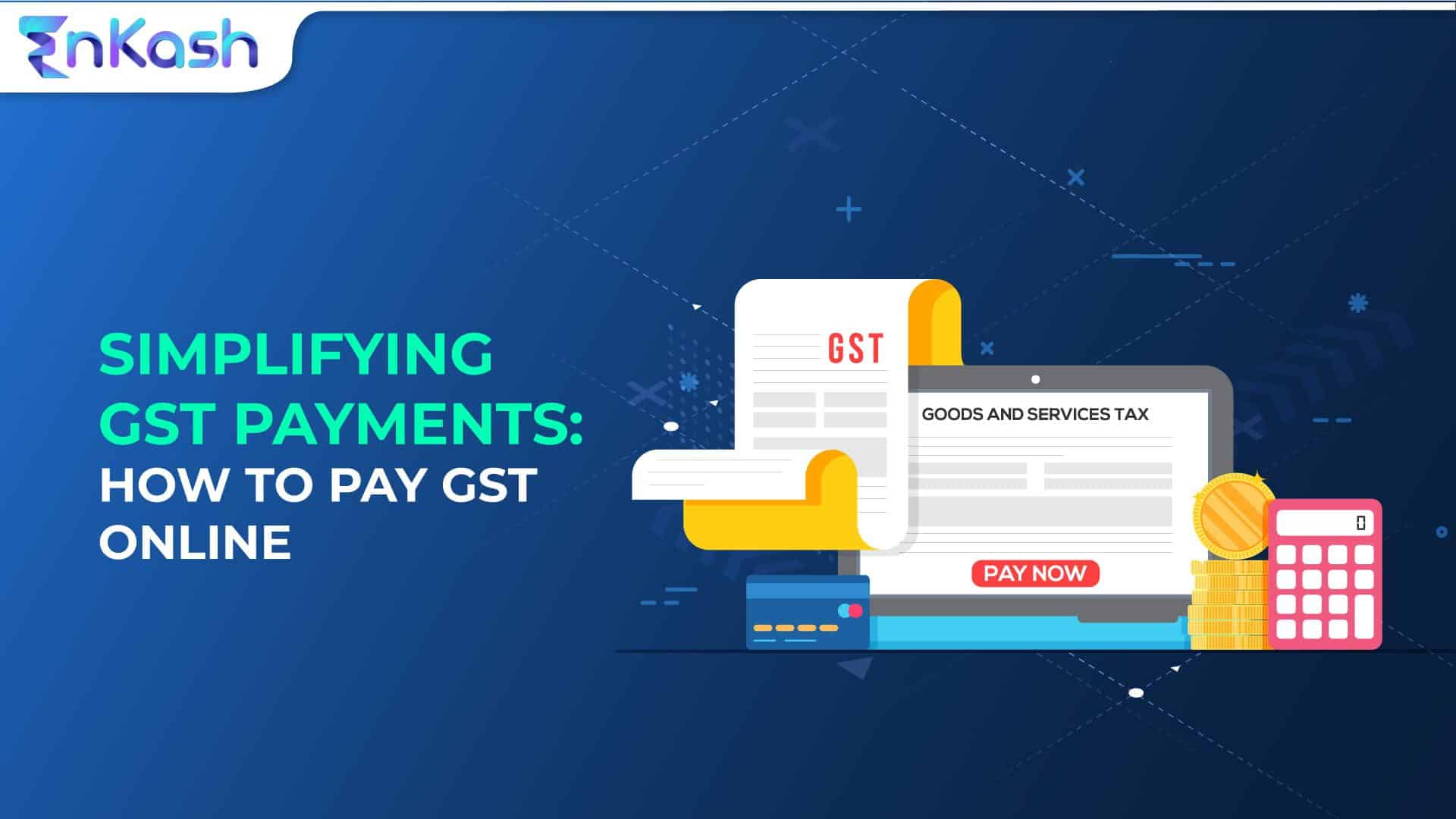
A GST challan is the document used to pay GST dues such as tax, interest, penalty, or late fees through the official GST portal. It provides a structured format for submitting GST tax payments and ensures that the amount paid is correctly recorded under the appropriate tax heads.
GST challan payment refers to the process of generating this challan online (Form PMT-06) and completing the GST e-payment using net banking, UPI, cards, or NEFT/RTGS. Once the payment is successful, a Challan Identification Number (CIN) is generated, which serves as proof of payment and updates the taxpayer’s electronic cash ledger.
In simple terms, the GST challan enables businesses to pay GST online in a secure and standardised manner while maintaining accurate tax records and compliance with filing requirements.
To understand how GST payments fit into the overall tax system, read our complete guide to Goods and Services Tax (GST).
When Do You Need to Generate a GST Challan?
You need to generate a GST challan whenever there is a tax amount that must be paid to the government. This includes regular monthly payments, as well as any additional liabilities that may arise during return filing or compliance checks. A challan is necessary in the following situations:
- When your GST liability for the month is higher than your available Input Tax Credit. If ITC is insufficient, the balance amount must be paid in cash through a challan.
- When you need to pay interest or late fees
Any delay in filing GST returns attracts interest and late fees, which must be deposited using a GST challan.
- When you need to pay penalties
Penalties imposed during GST assessments or audits require a separate challan payment.
- When making voluntary payments under Form DRC-03
Businesses often make additional payments voluntarily to correct past errors, and these are made through a challan.
- When you file NIL returns but still owe late fees
Even if no tax is payable, you may still need a challan for late fees or penalties.
- When paying GST under the reverse charge mechanism (RCM)
Businesses liable to pay RCM tax must generate a challan for the amount due.
In short, you need a GST challan whenever GST or related dues cannot be fully adjusted against your ITC.
How to Pay GST Challan Online
The GST challan generation process is fully online and can be completed in a few minutes on the GST portal. Once a challan is created, the system generates a unique CPIN that is used for making the payment and tracking the status later. Below are the verified steps to generate a GST challan.
Step 1: Visit the GST PortalGo to the official GST website at www.gst.gov.in.
Step 2: Open the Challan Creation PageFrom the homepage, select
Services > Payments > Create Challan.
You can generate a challan with or without logging in. Logging in helps auto fill your details.
Step 3: Enter GSTIN or Temporary IDEnter your GSTIN or Temporary ID.
Unregistered users paying penalties or fees can use their Temporary ID.
Step 4: Enter Tax DetailsIn the challan form, enter the amounts payable under the following heads:
- CGST
- SGST or UTGST
- IGST
- Cess
- Interest
- Penalty
- Late Fee
- Others, if applicable
The system automatically totals the challan amount.
Step 5: Select a Payment MethodChoose your preferred payment mode from the available options:
- Net banking
- Debit card
- Credit card
- UPI
- IMPS
- NEFT or RTGS
- Over the counter at a bank branch (eligible taxpayers only)
This step only selects the payment method. Payment happens after the challan generation.
Step 6: Generate the ChallanClick Generate Challan.
A unique CPIN (Common Portal Identification Number) will be created for your challan.
Step 7: Save or Print the ChallanDownload or print the challan for reference.
The CPIN remains valid for 15 days from the date of creation.
This completes the GST challan generation process. You can now proceed to make the payment online or offline based on the selected method.
Steps to Download GST Challan
Downloading a GST challan is a simple process that allows taxpayers to view, save, or print the challan generated for GST payment. The challan (Form PMT-06) contains important details such as the CPIN, tax amount, payment mode, and status, and is often required for record-keeping, reconciliation, and audit purposes.
Follow these steps to download your GST challan:1. Visit the official GST portalGo to gst.gov.in and log in using your GST credentials.
2. Navigate to the Payments sectionClick on Services → Payments → Challan History.
3. Search for the required challanYou can filter challans using:
- CPIN
- Date range
- Payment status (Paid / Unpaid / Expired)
4. Select the challanLocate the relevant GST challan (PMT-06) from the list.
5. Download or print the challanClick on the challan to open it in PDF format.
You can then download, save, or print it for your records.
A GST challan follows a standard format prescribed by the GSTN to ensure accurate tax payment and tracking. The challan contains essential details such as taxpayer information, payment breakdown, CPIN, and authorized bank details. Understanding the challan format helps taxpayers verify whether all details are correct before making the payment.
Below are the main sections included in a GST challan format:
1. Taxpayer Details- GSTIN or Temporary ID
- Legal name of the taxpayer
- Address (auto-filled when logged in)
2. CPIN Information- CPIN number generated by the GST portal
- Date of challan generation
- Challan validity period (15 days)
3. Payment DetailsThe challan displays the breakup of the tax amounts entered by the taxpayer under:
- CGST
- SGST or UTGST
- IGST
- Cess
- Interest
- Penalty
- Late fees
- Others, if applicable
Each section shows the amount payable and the total challan amount.
4. Payment Mode SelectedThe challan displays the payment mode selected:
- Net banking
- Debit or credit card
- UPI
- NEFT or RTGS
- Over-the-counter at a bank (where applicable)
This helps banks and taxpayers confirm the mode selected during the creation process.
5. Bank Details (if applicable)For NEFT or RTGS payments, the challan displays:
- Beneficiary bank account
- IFSC code
- Reference number
These details must be used when initiating payment from your bank.
6. CIN Section (Post-Payment)Once payment is completed, the bank generates a CIN (Challan Identification Number) and updates it in the GST system.
This section is blank before payment and appears in the receipt once payment is successful.
7. Verification PanelA section for the taxpayer’s confirmation and bank acknowledgment appears at the end of the challan.
The GST challan format ensures transparency, accuracy and a standard structure for all taxpayers making GST payments.
Types of GST Challan Payment
| GST Challan Type | Form Used | Purpose | When It Is Used |
|---|
| Regular GST Tax Payment | PMT-06 | Payment of monthly or quarterly GST liability | Before filing GSTR-3B or under the QRMP scheme |
| Interest and Late Fee Payment | PMT-06 | Payment of interest on delayed tax and late fees | When GST returns are filed after the due date |
| Demand Payment | DRC-03 | Payment against GST notices or tax demands | When liability is raised by tax authorities |
| Voluntary GST Payment | DRC-03 | Self-identified tax paid voluntarily | Before notice or during reconciliation |
| Composition Scheme Payment | PMT-06 | Quarterly tax payment by composition dealers | Along with CMP-08 filing |
GST Challan Payment Methods
Taxpayers can pay GST challans using online and offline methods. The GST portal supports multiple payment options to make tax deposits convenient, secure, and quick. Below are the two main types of GST challan payment methods.
Online Payment of GST Challan
Online payment is the most preferred mode because it is instant and updates the GST ledger automatically. After generating the challan, taxpayers can pay through:
Net BankingYou can select your bank from the authorised list on the portal and complete the payment instantly.
Debit Card or Credit CardCard payments are supported for banks integrated with the GST system.
UPIUPI payments are available for select banks. Payment is processed through supported UPI handles or apps.
NEFT or RTGS (Online initiation)You can generate a mandate form and make the payment from your bank account using NEFT or RTGS.
IMPS (Immediate Payment Service)IMPS enables instant GST challan payment with real-time confirmation and quick CIN generation, available 24×7, including weekends.
Benefits of online payment:- Instant challan settlement
- Auto-update of CIN on the GST portal
- Convenience of paying from anywhere
- Faster return filing and reconciliation
Interest and Late Fees on GST Payment
Timely GST payment is essential to avoid additional costs in the form of interest and late fees. The GST law prescribes separate provisions for interest on delayed tax payment and late fees for delayed return filing, and both are calculated differently.
Interest on Delayed GST Payment
Interest is charged when a taxpayer fails to pay GST within the prescribed due date. It is governed by Section 50 of the CGST Act, 2017.
- Interest rate: 18% per annum on the net tax liability (tax payable in cash)
- Calculation basis: From the day after the due date until the actual date of payment
- Applicability: Only on the portion of tax paid through the electronic cash ledger, not on input tax credit
If excess input tax credit is wrongly claimed and utilised, a higher 24% interest may apply.
Late Fee for Delayed GST Return Filing
Late fees are charged when GST returns such as GSTR-3B or GSTR-1 are filed after the due date. This is governed by Section 47 of the CGST Act.
- Standard late fee: ₹50 per day (₹25 CGST + ₹25 SGST)
- Nil return late fee: ₹20 per day (₹10 CGST + ₹10 SGST)
- Maximum late fee: Subject to notified caps based on return type
Late fees continue to accrue until the return is filed, even if there is no tax liability.
How to Check GST Challan Status Online
After generating and paying a GST challan, you can easily track its status on the GST portal. Checking the challan status helps confirm whether the payment has been processed, whether a CIN has been generated or if the challan has expired. You can track the status using your CPIN or CIN.
Follow the steps below to check GST challan status online.
Step 1: Visit the GST PortalGo to the official GST website at www.gst.gov.in.
Step 2: Open the Challan Status PageNavigate to:
Services > Payments > Track Payment Status
Step 3: Enter CPIN or CINYou can check the status using:
- CPIN, if payment is pending
- CIN, if payment is completed
Enter the code and fill the CAPTCHA.
Step 4: View Current Challan StatusYou will see one of the following statuses:
- Pending for Payment
Challan is generated, but no payment has been made yet.
- Paid
Payment is successful and CIN is generated by the bank.
- Failed
Payment attempt failed. You may retry or generate a new challan.
- Expired
Challan validity has ended. A new challan needs to be created.
- Awaiting Bank Confirmation
Payment is initiated, but the bank has not yet sent the CIN to the GST system. This usually resolves automatically.
Step 5: Download the Paid ChallanIf the challan is marked as Paid, you can download the challan receipt directly from the portal.
Step 6: Verify Entry in Cash LedgerTo ensure the amount is credited correctly, go to:
Services > Ledgers > Cash LedgerThis ledger will show the tax amount deposited under each head.
Checking the challan status regularly helps you avoid payment delays, return filing issues, and late fees.
Conclusion
A GST challan is an essential document for paying GST, interest, penalties and other liabilities to the Government of India. The entire process, from challan generation to payment and status tracking, is fully digital, making it simple for taxpayers to stay compliant. By understanding how to generate a GST challan, the available payment methods, and how to check its status online, businesses and individuals can avoid errors, missed deadlines, and late fees.
Using online payment methods also ensures faster updates in the cash ledger and smoother GST return filing.
FAQs
1. How to pay the GST challan?You can pay a GST challan online on the GST portal using net banking, card, UPI or NEFT, or RTGS. Just enter your CPIN and follow the bank payment steps. For detailed steps, see the “How to Pay GST Challan Online” section above.
2. How to generate GST challan?Go to Services > Payments > Create Challan on the GST portal. Enter your GSTIN, add the payable tax amounts, choose your payment method and click Generate Challan to receive the CPIN.
3. How to pay GST challan offline?You can pay GST challan offline through authorised bank branches using cash, cheque or demand draft, or by using NEFT or RTGS. Refer to the “Offline Payment of GST Challan” section above for detailed steps.
4. What is a challan in GST?A GST challan is a document used to deposit GST, interest, penalty, fees or any other payable amount to the government. It contains a CPIN for payment tracking.
5. What is CPIN in the GST challan?CPIN means Common Portal Identification Number. It is a 14-digit code generated when a GST challan is created. CPIN is used to retrieve the challan and make a payment.
6. How long is a GST challan valid?A GST challan is valid for 15 days from the date of generation. If it expires, a new challan must be created.
7. How to cancel a GST payment challan?Once generated, a GST challan cannot be cancelled. If unpaid, you can ignore it and create a new challan. If payment fails or shows pending, the bank updates the status automatically.
8. What is GST?GST stands for Goods and Services Tax. It is a unified indirect tax system applied to the supply of goods and services in India.
9. What are the types of GST?India has three types of GST:
- CGST Central Goods and Services Tax
- SGST or UTGST State or Union Territory Goods and Services Tax
- IGST Integrated Goods and Services Tax