D2C brands have been obsessed with conversion rates because that’s what they think is the real driving force behind their revenue growth.
Teams work hard to optimize their website pages, redesign product pages and invest heavily in marketing, retention journeys and checkout UX.
But end up ignoring the blind spot hiding in plain sight.
What happens after the customer clicks “Pay”?
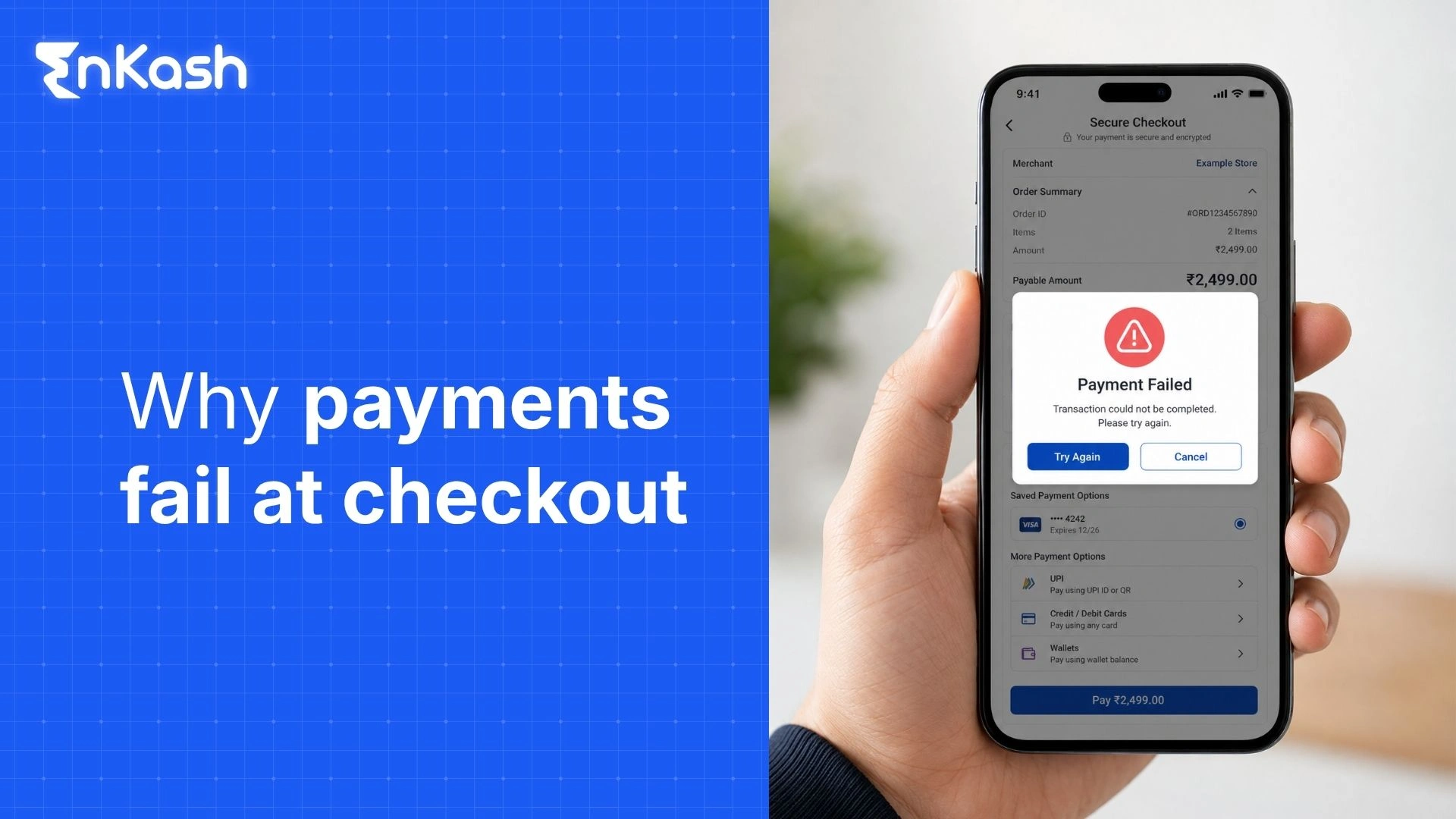
Sometimes, the payment fails. The revenue is lost during execution.
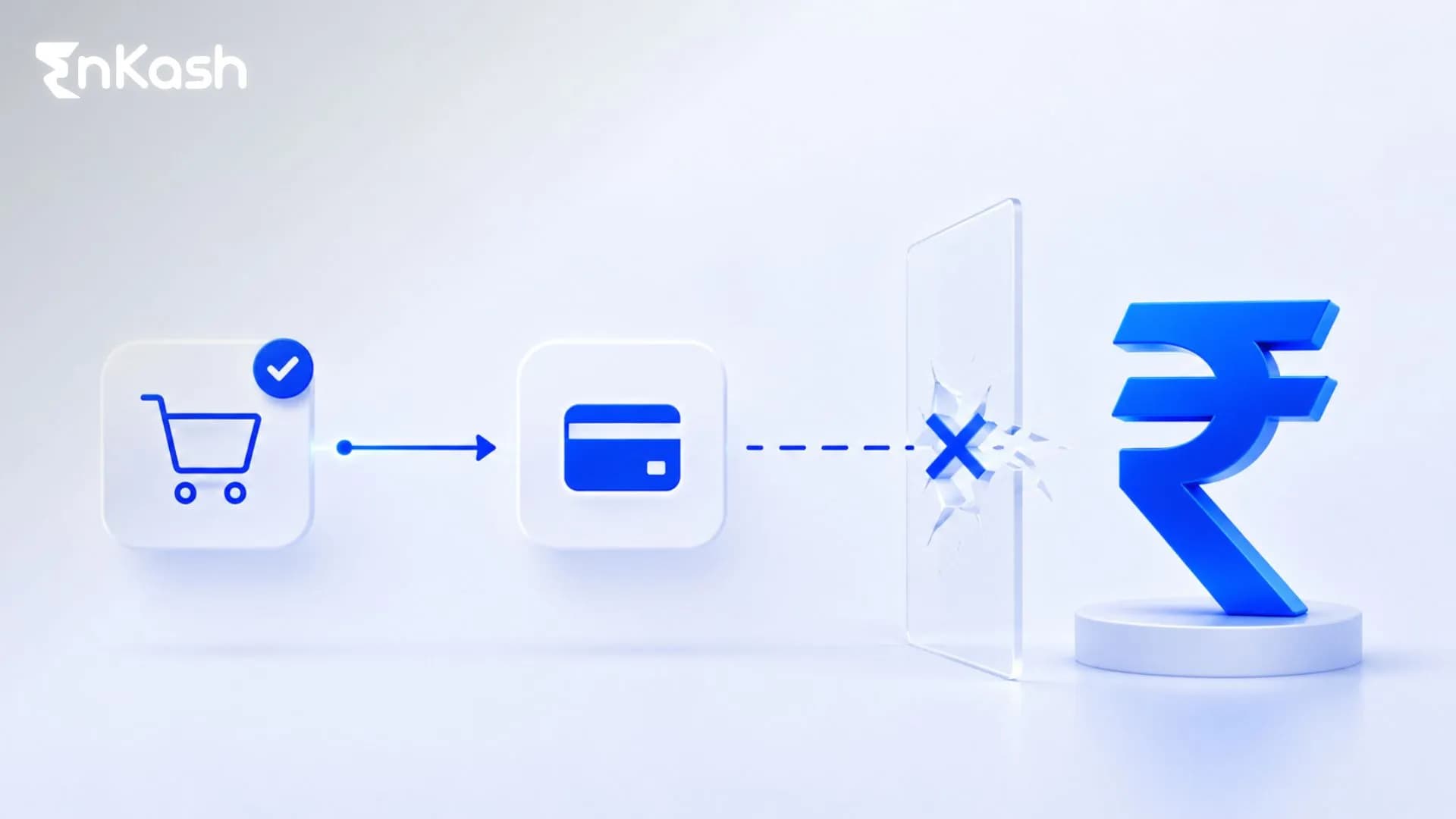
A customer discovers the product, trusts the brand, adds items to the cart, enters delivery details, chooses a payment method, and still never becomes revenue because the payment layer breaks.
Still most brands continue to measure checkout conversion as their revenue metric which is certainly not the case.
Is Successful Checkout Really Successful?
It is often assumed that a customer reaching the website checkout page is a near-guaranteed sale.
It turns out that checkout is simply the point where customer intent becomes vulnerable.
Checkout is one of the largest drop-off zones in the buying journey. According to Baymard Institute research, global cart abandonment rates continue to hover around 70%. In India, many D2C brands report abandonment rates in the 65–75% range, pertaining to payment friction, COD preferences, trust concerns, and checkout complexity.
Teams assume that these losses are caused by pricing concerns, shipping costs, or coupon hunting. In contrast, a significant percentage of losses comes from something operational: payment friction, OTP delays, bank downtime, UPI failures, gateway latency, session timeouts and authentication failures.
The customer wanted to buy. The infrastructure didn’t allow them.
Think about what it costs to bring a customer to checkout today.
You paid for the ad, for the content, for attribution tools, for retargeting to acquire trust.
And it worked too as the customer finally decided to purchase.
But the real performance is happening in the backend because this is that crucial moment when every rupee spent on acquisition depends on a few seconds of payment performance.
A payment failure is no more a payment problem. It is a revenue problem.
And also a customer acquisition cost problem.
When a customer leaves after a failed transaction, brands often end up paying all over again to bring that same user back into the funnel.
The fact is that many businesses are spending more on acquisition while ignoring the major infrastructure leak that is happening right at the point of monetization.
Know Your Conversion Metrics
D2C is treating checkout conversion and payment success rate as the same thing which they are not.
They are entirely different metrics in reality.
Conversion rate exists to tell you that customers want to buy whereas the payment success rate tells you whether your infrastructure allows them to buy.
A business can have great conversion numbers and still manage to lose meaningful revenue due to failed payment attempts.
Payment success rate starts the moment the customer initiates a transaction and measures whether that payment completes successfully.
This differentiation matters more than ever. As soon as a customer has decided to pay, every failure becomes a preventable revenue loss.
Payment Failures Hurts For Real
Payment failures often remain invisible for D2C brands as their dashboards show completed orders.The intent is not visible on these dashboards.
This leads to damage in the long run where the brand:
- Loses revenue from abandoned transactions
- Customer acquisition cost increases
- Repeat purchase probability reduces
- Support tickets pile up
- Trust reduces among first-time buyers
- Brand perception turns negative
Industry studies suggest that payment-related friction contributes to 12–18% of ecommerce cart abandonment in India. Even a small dip in the payment success rates can have an adverse business impact.
If a platform has 10,000 payment attempts worth ₹1,200 each, a failure rate of 8% can cost a business nearly ₹10 lakh in monthly revenue.
That's not a conversion issue. That's revenue leakage.
The Difference In The Indian Market
The majority of purchases in the D2C ecosystem happen on mobile devices.
On mobile phones, network quality varies significantly.
UPI has become the default payment method for millions today. To complete transactions, customers frequently switch between apps.
This additional redirect, delay, authentication step, or timeout raises the abandonment risk.
It’s no longer about convincing customers to buy online. It’s about ensuring that the payment experience keeps up with the customer's intent.
The New Competitive Advantage Isn't Better Ads
Today, an overlooked competitive advantage for D2C brands is payment reliability. Earlier they were acquisition and retention.
The brands thriving in the phase of ecommerce growth will not necessarily be the ones which are spending the most on traffic.
They will be the ones protecting the revenue they have already earned.
Every failed transaction becomes more expensive when customer acquisition costs keep rising.,
A slight improvement in payment success rate can create more immediate revenue impact than another optimization experiment on a product page.
The demand exists. The infrastructure simply needs to deliver.
The Metric To Be Followed
Few D2C leadership reviews payment success rate with the same level of visibility. That needs to change.
They need to view payment success rate as a growth metric, a finance metric, customer experience metric and a revenue protection metric.
The real question isn't how many customers reached the checkout. It is: how many customers decided to pay but never became revenue?