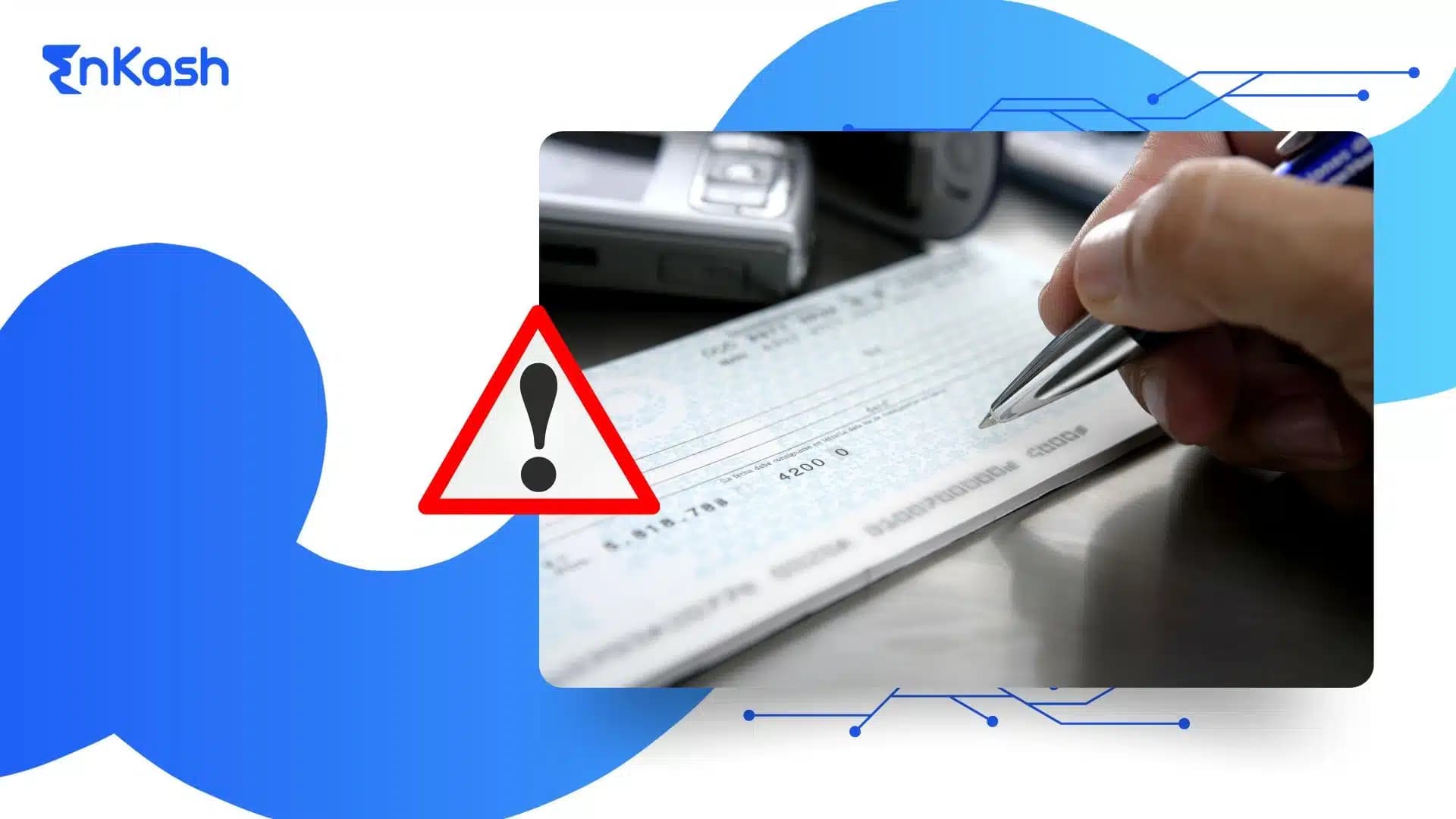
People still use cheques in India for property payments, business deals, refunds, and high-value transfers where a written record feels safer. This is why a cheque bounce creates worry for both the person who issued it and the person who expected the payment. The moment a bank returns a cheque unpaid, the entire plan that depended on that transaction can get delayed or fall through completely.
A returned cheque also raises questions. People want to know why it happened, and what steps they should take next. A bounced cheque can lead to payments being missed, relationships turning tense, and, in some cases, legal action under Indian law. Readers look for clarity because the rules around cheques still play a strong role in many personal and commercial routines.
This blog breaks the topic down in a simple way so every reader can understand what happened, why it happened, and how to deal with it calmly.
What is a Cheque Bounce?
A cheque bounce happens when a bank returns a cheque unpaid instead of clearing the payment. This means the money mentioned on the cheque does not get transferred to the payee’s account.
When a cheque is dishonoured, the bank issues a cheque return memo that explains the reason for the failed payment. Common reasons include insufficient balance, signature mismatch, incorrect details, overwriting, expired cheque validity, stop payment instructions, frozen account, or technical issues during cheque processing.
Also Read: What is Cancelled Cheque?
How Cheque Clearing Works in India
Cheque clearing follows a set path so banks can confirm the details and move the payment safely. The steps below show how the process unfolds from the moment a cheque is deposited.
Step 1: The payee deposits the cheque
The person receiving the payment hands the cheque to their bank. The bank records it and prepares it for digital scanning through the Cheque Truncation System.
Step 2: The cheque is scanned and converted into a digital image
The bank creates a clear image of the cheque. This digital copy moves through the clearing system instead of the physical cheque, which helps speed up the entire flow.
Step 3: The image reaches the drawee bank for verification
The drawee bank reviews the account number, signature, amount, and all printed details. If everything matches their records, the cheque moves to the next stage.
Step 4: The drawee bank reviews the cheque’s validity
Banks check the date to ensure the validity of cheque is still active. In India, a cheque that crosses the three-month validity period is not cleared by banks and is treated as invalid.
Step 5: Instructions on the cheque guide the processing method
Banks read the instructions linked to the different types of cheques, such as bearer, crossed, post-dated, or account payee. These markings decide who can receive the money and how the payment should be handled.
Step 6: The drawee bank approves or rejects the payment
If details are correct and the account has no issues, the bank allows the payment to move forward. When the cheque cannot be cleared, the bank records the reason and prepares a return memo.
Step 7: The payee’s bank updates the outcome
Once approval arrives, the payee’s bank receives the funds and credits the amount. If the cheque is rejected, the payee receives the cheque back along with the memo that explains the reason.
Causes of Cheque Bounce
A cheque can return unpaid for different reasons. Each category has its own triggers, and understanding these helps people read the return memo correctly. The points below separate the causes so there is no confusion between financial issues, instrument issues, technical errors, or account status problems.
Financial Reasons for Cheque Bounce
These issues relate directly to the account balance or a clear instruction from the account holder.
- The account does not have enough money to support the payment.
- The account holder gives a stop payment instruction.
- The account balance turns negative because of earlier deductions or charges.
These situations create the most familiar form of cheque bounce, and they appear clearly on the memo.
Cheque Mistakes and Signature Mismatches
These reasons come from mistakes or inconsistencies on the cheque itself.
- The signature does not match the bank’s records.
- The amount written in words and numbers does not match.
- There is overwriting without a proper correction.
- The cheque has crossed its three-month validity period and is no longer valid.
These issues cause the bank to reject the cheque even when the account balance is sufficient.
Technical Rejections in the Cheque Scanning Process
The Cheque Truncation System scans cheques digitally, and it can reject them when small details affect readability.
- The ink is smudged or unclear.
- The cheque is torn or damaged.
- The MICR code or printed fields cannot be read by the system.
These reasons create a technical return that still counts as a bounced cheque.
Account Status Issues That Lead to Cheque Return
These issues arise from restrictions placed on the account.
- The account is closed by the bank.
- KYC information is incomplete or pending.
- The account is frozen due to a compliance requirement.
Each category points to a different concern, and the return memo reflects the exact reason so both sides can understand the next step.
Cheque Bounce Charges and Penalties Applied by Banks
Banks apply charges when a cheque is returned unpaid, and these charges vary based on the situation. The amount depends on whether the return happened for a financial reason, an instrument error, or a technical issue. Both the issuer and the payee can face charges, depending on the internal rules of the bank and the nature of the return. The memo that comes with the rejected cheque helps both sides understand why the fee was applied.
When Banks Charge the Drawer, Payee, or Both
Banks review the reason for the return before deciding the charge. A financial return usually carries a higher fee, while a technical return may carry a smaller one. Some banks charge the issuer, while others may charge the payee if the cheque was deposited in a way that causes a technical return. These charges are applied to maintain discipline in cheque handling and to manage the cost of processing returns. People who check their statements regularly notice these charges listed clearly under cheque bounce charges, so they can track what caused the deduction.
Consequences of Cheque Bounce
A cheque bounce can lead to financial, legal, and reputational consequences for the drawer. The impact depends on the reason for bounce and whether the cheque was issued against a valid debt or liability.
Common consequences include:
- Bank cheque bounce charges for the drawer, payee, or both
- Delay in payment settlement
- Strained business or personal relationships
- Legal notice from the payee
- Criminal complaint under Section 138 of the Negotiable Instruments Act
- Court proceedings if payment is not made within the notice period
- Fine, imprisonment, or both if the drawer is found liable
- Possible liability for company directors if the cheque was issued by a company
- Negative impact on financial credibility in repeated cases
How to Resolve a Cheque Bounce Issue?
Cheque bounce issues can be resolved through quick communication, repayment, or legal response, depending on the reason for the return.
Common ways to resolve a cheque bounce issue include:
- Check the cheque return memo to understand the exact reason
- Contact the drawer and share the reason for cheque return
- Repay the cheque amount immediately if the bounce happened due to insufficient funds
- Re-issue a corrected cheque if there is a technical error, signature mismatch, date issue, or overwriting
- Use another payment mode such as NEFT, RTGS, IMPS, or UPI if both parties agree
- Settle the matter mutually before it turns into a legal dispute
- Send a cheque bounce notice if the payment is not cleared
- Reply to the cheque bounce notice within the required timeline
- Keep records such as the cheque copy, return memo, notice, reply, payment proof, and bank communication
Issuance of Cheque Bounce Notice
A cheque bounce notice is a written demand sent by the payee to the drawer after the bank returns a cheque unpaid. It is an important step before filing a complaint under Section 138 of the Negotiable Instruments Act, 1881.
The payee must send the notice within 30 days of receiving information from the bank that the cheque has been returned unpaid. The notice should demand payment of the cheque amount and give the drawer a chance to clear the dues.
Once the drawer receives the cheque bounce notice, they get 15 days to make the payment. If the drawer does not pay within this period, the payee can file a complaint under Section 138, provided the cheque was issued for a legally enforceable debt or liability.
The notice should include key details such as:
- Cheque number, date, amount, and bank name
- Reason for cheque return as mentioned in the return memo
- Details of the debt or liability linked to the cheque
- Demand for payment of the cheque amount
- Time allowed for payment after receiving the notice
- Statement that legal action may follow if payment is not made
The payee should send the notice through a mode that gives proof of delivery, such as registered post, speed post, courier, or email where legally acceptable. Copies of the cheque, return memo, notice, dispatch proof, and delivery proof should be kept safely.
Reply for Cheque Bounce Notice
A reply for cheque bounce notice is the drawer’s written response after receiving the legal notice from the payee. The reply should state whether the drawer accepts the payment demand, disputes it, or wants to settle the amount.
If the cheque amount is valid and payable, the drawer should clear the payment within 15 days of receiving the notice. Paying within this period can help avoid further legal proceedings under Section 138.
If the drawer disputes the claim, the reply should explain the reason clearly. This may happen when the amount has already been paid, the cheque was issued as security, the cheque was misused, the amount claimed is incorrect, or there is no legally enforceable debt or liability.
A cheque bounce notice reply should mention:
- Reference to the notice received
- Cheque number, date, amount, and bank details
- Whether the payment demand is accepted or disputed
- Reason for dispute, if any
- Proof of payment or settlement, if already made
- Request for correction, withdrawal, or settlement, where applicable
The drawer should not ignore a cheque bounce notice. If the matter is disputed, it is safer to send a written reply with supporting documents and take legal advice before responding.
Conclusion
A cheque bounce creates confusion when people do not understand why the payment failed or what the memo means. Clear information helps both sides respond calmly and choose the right next step. The law also gives structure so disputes can move forward fairly and predictably. Learning the reasons behind a bounced cheque and knowing how the process works reduces mistakes and prevents avoidable stress. People who take simple precautions while issuing or receiving cheques lower the chance of dealing with a cheque bounce case, and this makes everyday transactions smoother and more reliable.
FAQs
1. What does a cheque return memo show and why is it important? The cheque return memo explains the exact reason the bank rejected the payment. It helps both parties understand the issue clearly. This memo becomes essential if the matter needs formal action, since it serves as the first documented proof of the cheque return. 2. Can a cheque be presented again after it has been returned once? A cheque can be presented again if the reason for return is temporary, such as a signature mismatch or a balance shortage that has now been fixed. People should check the memo first, so they know whether the issue is still likely to repeat. 3. What happens if the payee forgets to deposit a cheque before it expires? A cheque loses its life after the three-month period. Once the validity of cheque ends, the bank cannot clear it. The payee must ask for a fresh cheque if the time period has passed and the payment is still pending. 4. Does a cheque bounce affect future banking relationships? Banks take note of repeated cheque returns linked to an account. Regular rejection creates doubt about the account holder’s financial discipline. This can influence how the bank views risk, and it may affect service approvals or future requests made by the customer. 5. Can a security cheque be taken to court if it bounces? A security cheque can lead to a legal dispute only when the payment linked to it is due and confirmed. The court reviews the purpose of the cheque and the proof of the debt before deciding if the return qualifies as a cheque bounce case. 6. What should someone do first when they receive a returned cheque? The first step is to read the reason printed on the memo. This helps the payee understand whether the issue is financial, technical, or linked to the account holder. Once the reason is clear, they can decide if a second attempt or a discussion is needed. 7. Do banks always charge a fee when a cheque is rejected? Banks usually apply a small charge for processing a rejected cheque, but the amount depends on the reason listed on the memo. A financial return carries a higher cost, while a technical error may have a lower one. Each bank follows its own rules. 8. Can a cheque bounce due to handwriting or ink issues? Handwriting that is unclear, smudged ink, or uneven pressure on the cheque can lead to technical rejection. The scanning system needs a clean image to read the amount and details. A small correction at the time of writing prevents this kind of bounced cheque. 9. Does a bounced cheque have any impact on loan applications? A single return does not affect loan approval, but frequent cheque issues may make lenders cautious. They look at overall financial behaviour to understand reliability. Cheque returns can create doubt, so keeping a clean record helps when applying for new credit. 10. Can two people be held responsible for the same cheque bounce? Responsibility depends on who signed the cheque. If the account has joint signatories, the person who signed becomes accountable. In business accounts, the authorised signatory carries the responsibility. The memo and the account records help clarify who issued the cheque. 11. Is cheque bounce a criminal offence in India? Yes. Under Section 138 of the Negotiable Instruments Act, cheque bounce for a legally enforceable debt can lead to criminal proceedings if the notice and timelines are followed correctly.