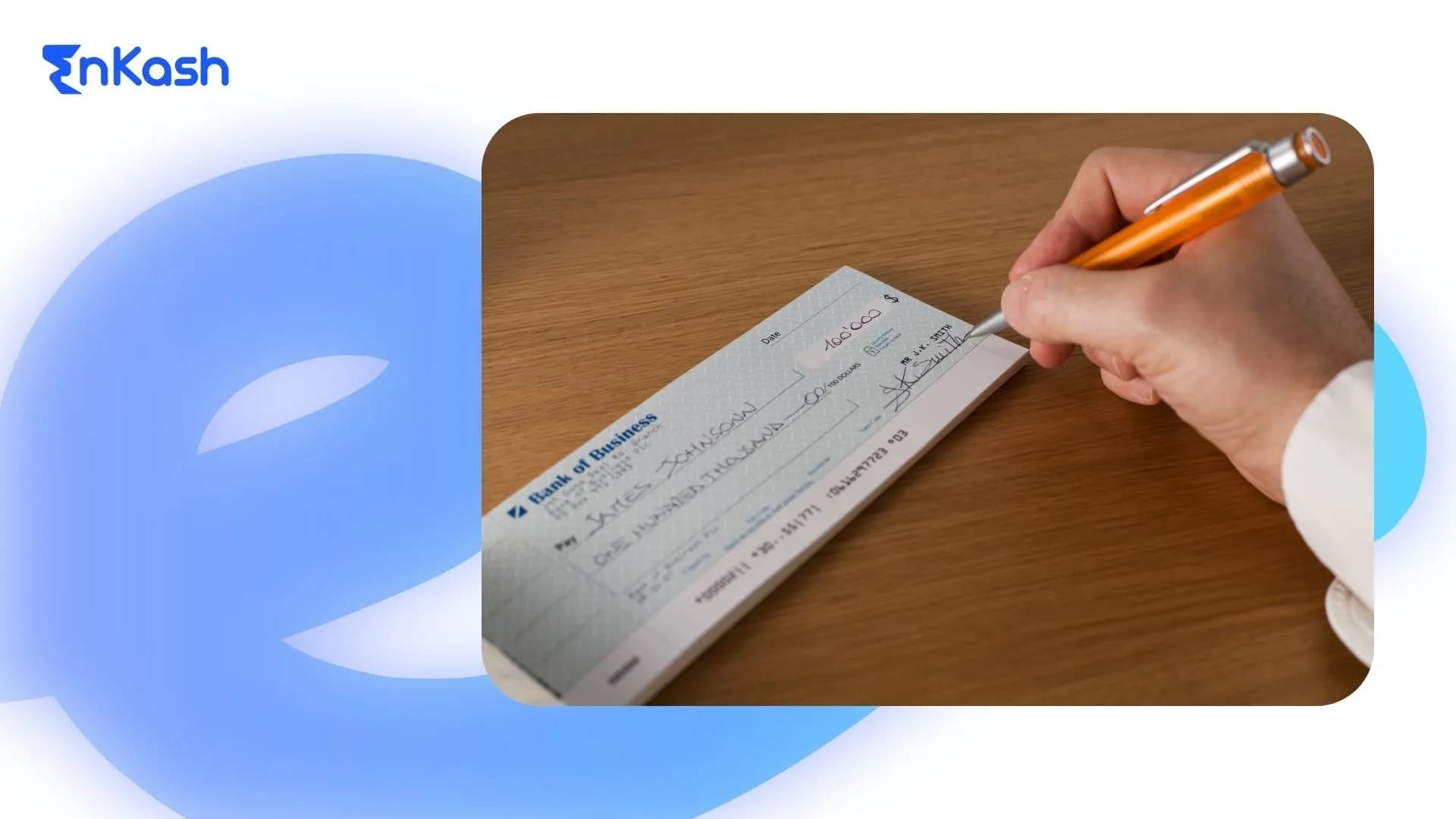
In Indian banking, a bearer cheque allows payment to the person who presents it at the bank counter. The bank checks the
cheque, reviews the drawer’s signature, and decides whether cash can be paid against it. This makes it different from an order cheque, where payment is tied more closely to the named payee or a properly endorsed holder.
A bearer cheque can be used to withdraw cash, which makes it useful in certain situations. The same feature also creates risk. If the cheque is lost, altered, or handled carelessly, the risk of wrongful encashment increases. Payment depends on the basics that banks take seriously, including a correctly filled cheque, a matching signature, a valid date, and no visible irregularity on the instrument.
Questions about the cheque limit arise for a different reason.
Cash withdrawal handling does not follow a single uniform pattern across all banks. The amount, the branch, the account, and the bank’s own checks can all affect whether the payment is processed smoothly. This blog walks through the bearer cheque definition clearly, then moves into withdrawal rules, validity, limits, and the points where extra caution becomes necessary.
This guide is based on the Negotiable Instruments Act, 1881, RBI’s cheque-validity rule, and RBI customer-service guidance on cheque handling and account operations.
What is a Bearer Cheque
A bearer cheque is a cheque that can be encashed by the person holding it and presenting it at the bank. It is payable to the holder who presents it, which is why the ability to seek payment is linked to possession of the instrument.
This type of cheque does not work like a cheque meant to keep payment tightly controlled in favour of a named recipient.. If it is issued in bearer form and remains valid, the person carrying it can approach the bank and seek payment. Because of this, it moves more easily from one person to another than cheque formats designed for stricter control.
Its practical appeal lies in the speed and convenience of cash withdrawals. This format is designed for ease of presentation, which is why it has long been used for cash-based transactions. If the cheque is lost, passed around carelessly, or reaches the wrong hands, the risk attached to it rises immediately.
How to Write a Bearer Cheque
Fill Every Part With Precision
A bearer cheque should be filled carefully from the start. The bank reads it as a payment instruction, which means every detail must be clear, complete, and easy to verify. Even a minor mistake can delay or block payment.
Write the date in the correct space first. Then fill the pay line in the intended format. After that, enter the amount in words and write the same amount in figures. Both entries must match fully. Any mismatch can create a payment issue at the branch.
Pay Close Attention to the Signature
The signature carries the cheque’s payment authority. It must match the signature available in the bank’s records. A hurried signature, a changed signing style, or an incomplete signature can lead to refusal even when the rest of the cheque looks correct.
This is where many cheque users make avoidable errors. A cheque may appear complete, but payment can still be stopped if the signature does not match what the bank expects.
Check What a Proper Format Looks Like
A correct bearer cheque specimen should look clean, readable, and properly filled from top to bottom. The writing should be clear. The amount should appear correctly in both places. The instrument should not contain unnecessary cuts, loose alterations, or confusing handwritten changes.
Before handing it over, the drawer should review the full cheque once again. A quick check at this stage can prevent a failed cheque withdrawal later.
Avoid Mistakes that Trigger Payment Issues
Most problems with bearer cheques begin with basic drafting errors. Common examples include a missing date, an incorrect amount, poor handwriting, overwriting, and an absent or mismatched signature. Blank spaces can also create risk because they leave room for misuse or unauthorised changes.
A bearer cheque should be written with the same level of care as a cash instruction. Clear drafting reduces risk, supports smoother bank verification, and increases the likelihood of a successful payment.
Key Characteristics of a Bearer Cheque
Payment Right Follows Possession
A bearer cheque is structured for payment to the person who presents it at the bank. The bank examines the instrument, checks the signature, and verifies the account before releasing cash. The central point is clear, physical possession of the cheque gives the presenter the ability to seek payment.
It is Used for Direct Encashment
This cheque format is commonly associated with over-the-counter cash withdrawal. It is issued for presentation at the branch rather than for tightly controlled receipt by a single identified payee. Its use is tied to immediate payment intent, which is why it appears more often in cash-handling situations than in account-credit situations.
Transfer is Relatively Easy
A bearer cheque is negotiable by delivery, so it can pass from one person to another more easily than a cheque built around named-payee control. This makes movement simpler in practical use. It also changes the risk profile because the person holding the cheque can attempt to encash it once it reaches the bank.
Control Remains Weaker than Restricted Cheque Types
The drawer has less control over the final presenter after issuing the instrument. A named-payee cheque provides clearer direction on who should receive the funds. A bearer cheque gives wider payment access on presentation. Bearer cheques are also known as a format that requires careful issue, careful transfer, and close attention before they leave the drawer’s hands.
Read more:
What is a Cancelled Cheque? Step-by-Step Guide With Format & Sample Image
Bearer Cheque Withdrawal Rules
Payment Happens Only After Bank Checks
A bank does not release cash against a bearer cheque merely because someone presents it at the counter. The cheque must be valid, properly filled in, signed in line with bank records, and free from visible alterations or mismatches. In India, banks generally process self or bearer cheques subject to usual precautions, which is why verification remains central to the withdrawal process.
The Presenter Can Seek Payment
A bearer cheque is payable to the person who presents it, which means the presenter can ask the bank to release funds if the instrument is in order. Under the legal framework for negotiable instruments in India, a cheque payable to bearer is treated as payable to the holder or presenter in that form. In practical
banking use, this is why possession of the cheque becomes important at the withdrawal stage.
The Account Holder’s Presence is Not Usually Required
RBI guidance states that banks should not ordinarily insist on the account holder’s presence for account operations unless the circumstances warrant it, though the bank may still apply additional caution before paying a self or bearer cheque.. This is useful for readers who assume the drawer must accompany the presenter in every case. The bank still retains the right to examine the cheque carefully before paying.
Refusal Can Happen for Clear Banking Reasons
A bearer cheque may be refused if the signature does not match, the cheque is stale, the amount field is inconsistent, the instrument shows material alteration, payment has been stopped, or the account lacks funds. A bank may also slow down or decline payment when the transaction appears doubtful and internal caution is warranted. These are standard control points linked to cheque risk and cash handling discipline.
Self-Cheque and Bearer Cheque are Not the Same
Many users search for a self-cheque withdrawal limit when they are really trying to understand the bearer cheque cash withdrawal. The two are related in branch use, but they are not identical instruments. A self cheque is drawn by the account holder for personal withdrawal. Any cash-payment limit in practice depends on the bank’s operating rules, branch controls, account type, and transaction value rather than on one fixed universal number for every bearer cheque.
Bearer Cheque Validity
A Bearer Cheque Remains Valid for a Limited Period
A bearer cheque does not remain payable forever after it is issued. In India, cheques are valid for three months from the date of issue written on the instrument, in line with RBI’s revised validity rule.. Once that period ends, the cheque becomes stale, and the bank can refuse payment even if the account has enough balance and the rest of the cheque appears correct.
The Date on the Cheque Affects Whether Payment Can Happen
The cheque date is not a routine formality. It decides the validity window for presentment. A cheque presented within its valid period can be processed by the bank. A cheque presented after expiry may fail at the counter because the instrument is no longer valid for payment in the normal course.
Delay in Presentation Creates a Direct Payment Risk
This is why the cheque date should be checked before the instrument is handed over or taken to the bank. A person may hold a cheque that appears complete in every other respect, yet payment can still be stopped if the time validity has already lapsed. Bearer cheque validity becomes important at this stage because timing can decide the outcome even before signature review or account verification begins.
Order Cheque vs Bearer Cheque
The Payment Right Works Differently
An order cheque vs. bearer cheque comparison starts with a basic rule: who is entitled to receive payment. A bearer cheque can be paid to the person who presents it. An order cheque is meant for the named payee, or for a person who receives the right through proper endorsement. In Indian banking practice, this creates a clear difference in how payment authority is understood at the counter or during handling.
Control is Stronger in an Order Cheque
An order cheque gives tighter control over the destination of funds because payment is linked to the named recipient rather than to mere possession of the instrument. A bearer cheque offers easier presentation, but that also reduces control once the cheque leaves the drawer’s hands. This is why banks and customers treat order cheques as the safer option when the payment is intended for a specific person and should not be freely transferable in practical use.
Transfer Works in a Different Way
A cheque payable to bearer is negotiable by delivery, meaning possession plays a direct role in its movement and presentment. An order cheque follows a more controlled route because the right to payment is tied to the named payee and endorsement framework. This difference affects how easily the instrument can pass from one person to another and how much payment certainty the drawer wants to preserve.
Read more:
Electronic Clearing System (ECS) in Banking: Meaning, Activation, Mandate & Uses
Advantages and Disadvantages of Bearer Cheque
Advantages of a Bearer Cheque
- A bearer cheque allows the person who presents it at the bank to claim cash, making it useful for direct physical withdrawal.
- It is easier to transfer in practical use because a cheque payable to bearer is negotiable by delivery.
- It can work well in cases where immediate presentment is intended, and the drawer does not need tight recipient control.
Disadvantages of a Bearer Cheque
- Control weakens after the cheque leaves the drawer’s hands, as possession plays a central role in claiming payment.
- The risk of misuse is higher if the cheque is lost, misplaced, or carelessly passed on.
- It is less suitable where payment must reach a specific person or where stronger payment control is needed.
- It is a weaker choice for higher-value or more sensitive transactions where safer cheque formats provide better protection.
Conclusion
A bearer cheque provides quick access to cash, but that convenience comes with weaker control over who may ultimately present it for payment. The instrument is simple in form, yet serious in effect. Once it is written and handed over, the risk profile changes immediately.
Every stage plays a role in the final outcome. The cheque must be correctly filled in, signed properly, remain valid, and be examined by the bank before payment is released. A mistake in the amount, date, signature, or condition of the cheque can interrupt payment. A lapse in handling can create a far bigger problem.
Bearer cheques continue to pose cautionary concerns in Indian banking. They are useful in the right situation, but they are never casual instruments. Before issuing one, the drawer should carefully consider speed, control, safety, and the amount involved. In many cases, the smarter decision is not just about getting money out. It is about choosing the cheque format that protects the payment from the start.
FAQs
1. Can a bank ask for identity proof before paying a bearer cheque?
A bank may conduct additional verification before paying a bearer cheque when the amount is high, the transaction appears unusual, or the instrument raises suspicion. The exact checks can depend on the bank’s internal risk controls and the circumstances of the transaction.. Payment is linked to presentation, but banks still apply caution to protect the account, the customer, and the withdrawal process.
2. What should be done if a bearer cheque is lost before encashment?
If a bearer cheque is lost before encashment, the drawer should contact the bank immediately and request a stop payment. Fast action reduces the risk of wrongful withdrawal. Keeping a record of the cheque number, date, and amount also helps the bank identify the instrument quickly and respond with greater accuracy.
3. Can a bearer cheque be encashed at any branch?
A bearer cheque may be encashed subject to the drawee bank’s process, branch controls, account type, and transaction value. Branch-level handling can vary depending on internal policy and risk review. Some branches may allow smooth payment, while others may apply additional checks. Cash availability, risk review, and internal policy can all affect the final outcome.
4. What happens when a bearer cheque is crossed?
When a bearer cheque is crossed, it is directed to account-based handling rather than open cash payment at the counter. Crossing reduces the practical ease of direct encashment and adds stronger control over how funds move. This is why crossed cheques are preferred where better traceability and payment discipline are needed.
5. What happens if the amount in words and figures is different?
If the amount in words and figures does not match, the cheque may be rejected because the payment instruction becomes unclear. Banks expect both entries to agree exactly. Even a small mismatch can create doubt, delay the transaction, or stop payment altogether until the issue is corrected through proper banking procedure.
6. Can a bearer cheque be post-dated?
A bearer cheque can be post-dated, but it cannot be paid before the date written on it. The bank reads the cheque according to that date and treats it as payable only when the date arrives. Presenting it early may result in refusal because the instrument is not yet due for payment.
7. Why do banks check large bearer cheques more carefully?
Banks check large bearer cheques more carefully because high-value cash transactions carry greater operational and fraud risk. Extra scrutiny helps verify the signature, review the account, examine the instrument, and confirm that payment should proceed. This protects the customer account, the bank, and the broader payment process from avoidable errors or misuse.
8. Can a bearer cheque be deposited instead of being encashed?
A bearer cheque can be deposited, but deposit and cash encashment follow different handling paths. Once the cheque is taken for account-credit processing, the bank may apply separate checks and timelines from over-the-counter cash payment. Its common use, however, is direct cash presentation. Deposit and encashment follow different paths, and once account-credit processing begins, the cheque may be subject to separate checks, timelines, and handling procedures.
9. Why is a bearer cheque considered risky?
A bearer cheque is considered risky because payment is closely linked to the instrument's possession. Once it leaves the drawer’s hands, control over the final presenter becomes weaker. If the cheque is lost, stolen, or carelessly transferred, another person may attempt to encash it before the bank receives a stop-payment instruction.
10. What should be checked before handing over a bearer cheque?
Before handing over a bearer cheque, the drawer should check the date, the amount in words, the amount in figures, the signature, and the overall condition of the instrument. Blank spaces, unclear writing, corrections, or mismatched details can create payment issues. A final review reduces the chance of delay, refusal, or wrongful use later.