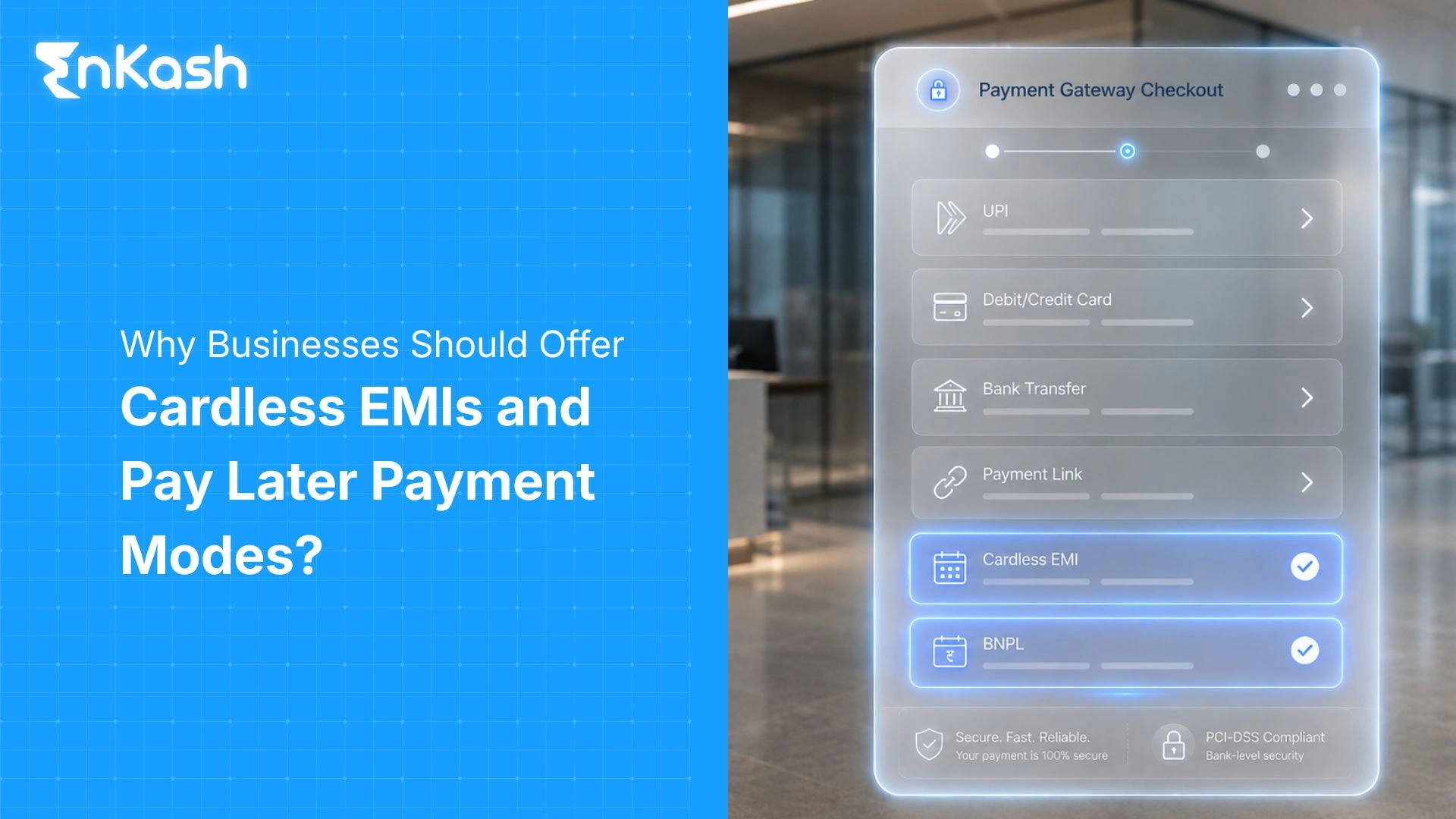
Businesses of all sizes are increasingly adopting online transactions to enhance efficiency and meet customer expectations. A merchant payment gateway facilitates direct and secure electronic payment processing for customers. Merchant payment gateways act as bridges connecting the customer, merchant, and financial institution to allow for the simple processing of transactions.
As businesses expand internationally, the need for secure payments has increased, making merchant payment gateways essential for success. Whether directly integrated with a bank or through third-party payment providers, merchant payment gateways offer security, protection against fraud, and varied means of payment. Having a basic understanding of merchant payment gateways will help businesses optimize these gateways in their digital payment processes.
What is Merchant Payment
Merchant payment is the payment a business receives from a customer for goods or services. It is how money moves from the buyer to the seller after a purchase. These payments can happen online, in-store, or through mobile devices. Customers may pay through cards, UPI, net banking, wallets, QR codes, bank transfers, or payment links.
Merchant payments help businesses collect money faster, track transactions clearly, and offer customers more ways to pay.
Example of Merchant Payments
Here are common examples:
- A customer pays through UPI on an online store
- A shopper taps a debit card at a retail counter
- A hotel guest pays through a payment link
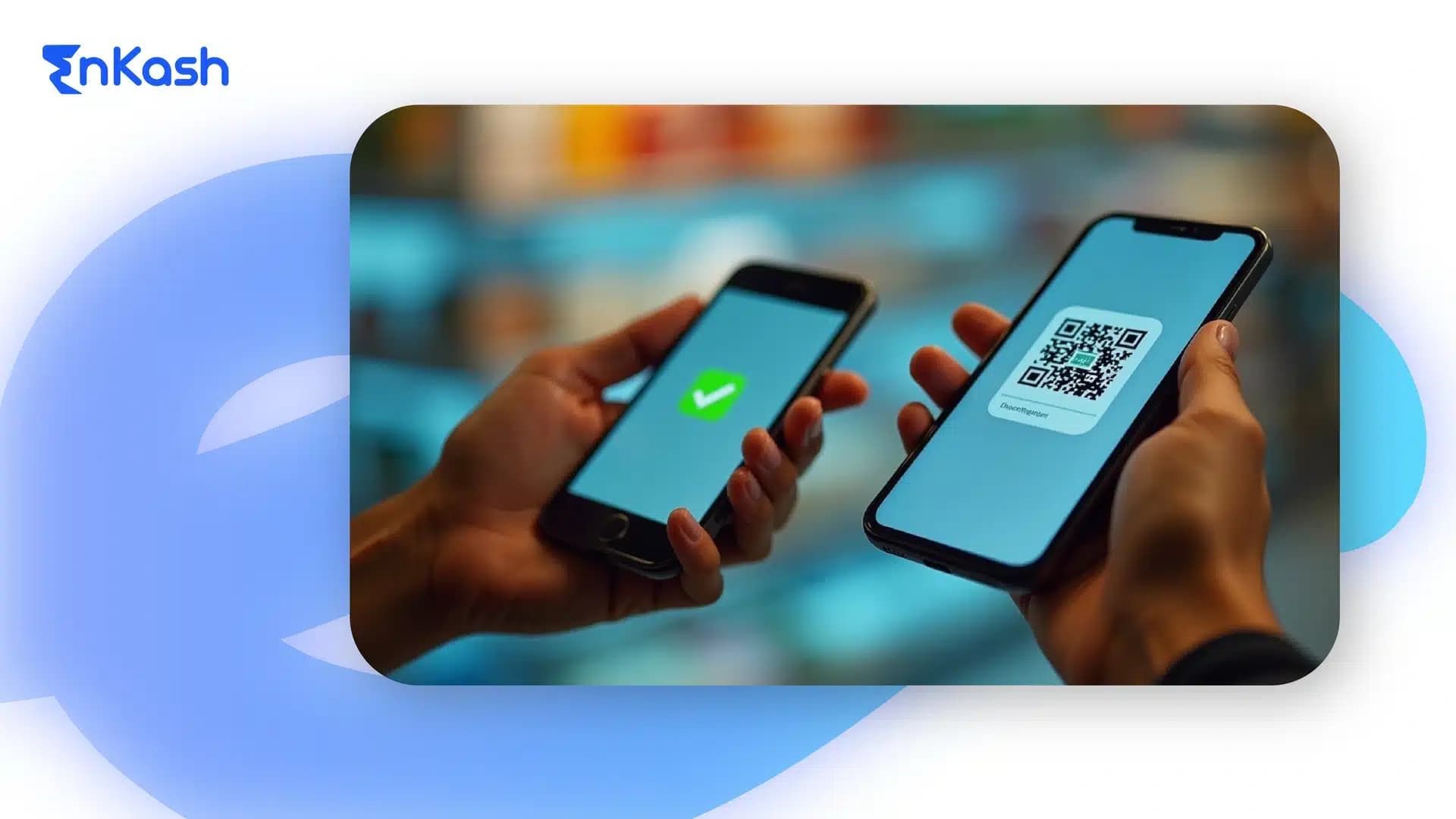
- A diner scans a QR code at a restaurant
- A company pays an invoice through net banking
Merchant payment refers to receiving money from customers. A merchant payment gateway is the system that helps process digital payments securely.
Types of Merchant Payment Gateway
Merchant payment gateways come in different formats. The right choice depends on how your business sells, how much control you need, and the checkout experience you want to offer.
Hosted Payment Gateway
A hosted gateway redirects customers to the payment provider’s page to complete the transaction. After payment, the customer returns to your website. This option is easier to set up and comes with built-in security management.
Best for:
- Small businesses
- New online stores
- Businesses that want quick setup
Integrated Payment Gateway
An integrated gateway keeps the customer on your website or app during checkout. Payment happens inside your platform. This gives you more control over branding and customer experience.
Best for:
- Growing online brands
- Businesses focused on conversions
- Custom checkout flows
API-Based Payment Gateway
An API gateway gives developers direct control to build custom payment experiences, automate workflows, and connect with internal systems. This works well when you need flexibility at scale.
Best for:
- SaaS companies
- Marketplaces
- Large businesses with tech teams
Mobile Payment Gateway
These gateways are designed for mobile apps and mobile-first checkouts. They support SDKs, one-click payments, and faster mobile flows.
Best for:
- App-based businesses
- Delivery platforms
- Mobile commerce brands
Omni-Channel Payment Gateway
An omni-channel gateway supports online and offline collections through one system. It can combine website payments, POS, QR, and payment links.
Best for:
- Retail chains
- Restaurants
- Businesses selling across multiple channels
Choose a gateway based on your sales model, customer behavior, and future growth plans.
What Types of Merchants Can Use a Payment Gateway
Any business that accepts digital payments can use a payment gateway. It is not limited to large companies or online brands. If you collect money from customers, a gateway can help you do it faster and more securely.
E-commerce Businesses
Online stores use payment gateways to accept cards, UPI, wallets, and net banking during checkout.
Examples:
- Fashion brands
- Electronics stores
- Beauty and skincare websites
Retail Stores
Physical stores can use gateways through QR codes, payment links, POS systems, or online ordering channels.
Examples:
- Grocery stores
- Local shops
- Franchise outlets
Service Businesses
Businesses that bill customers for services can use gateways to collect payments online.
Examples:
- Consultants
- Agencies
- Repair services
- Salons and spas
Hospitality and Travel Businesses
Hotels, resorts, and travel companies often need advance payments, booking deposits, and refund management.
Examples:
- Hotels
- Tour operators
- Travel agencies
Education Businesses
Schools, institutes, and edtech platforms use gateways for fee collection and recurring payments.
Examples:
- Coaching centers
- Online course platforms
- Training institutes
Healthcare Providers
Hospitals and clinics can collect consultation fees, deposits, and online appointment payments.
Examples:
- Clinics
- Diagnostic centers
- Hospitals
B2B Businesses
Businesses selling to other businesses can use payment gateways for invoices, subscriptions, and recurring collections.
Examples:
- SaaS companies
- Wholesalers
- Equipment suppliers
If your business collects payments, a payment gateway can improve speed, tracking, and customer convenience.
Features to Look Out for in a Merchant Payment Gateway
A payment gateway should help you collect payments smoothly and manage them with less effort. If it creates friction, it becomes a problem instead of a solution.
Strong Security
Your gateway should protect payment data at every step. Look for PCI DSS compliance, encryption, tokenization, and fraud controls.
Multiple Payment Methods
Customers pay in different ways. Your gateway should support:
- Credit cards
- Debit cards
- UPI
- Net banking
- Wallets
- EMI or Pay Later
More payment choices often lead to more completed checkouts.
Fast Payment Processing
Customers do not wait long at checkout. A gateway should process payments quickly and maintain high uptime.
Easy Integration
You should be able to connect the gateway with your website, app, or store without delays. APIs, plugins, and SDKs make setup faster.
Dashboard Visibility
You need full payment visibility. A useful dashboard helps you track:
- Successful payments
- Failed transactions
- Refunds
- Settlements
- Chargebacks
Quick Settlements
Payments collected should reach your bank account on time. Faster settlements improve cash flow and daily operations.
Smart Failure Recovery
Some payments fail because of network or bank issues. A strong gateway uses retry logic or better routing to recover eligible transactions.
Reliable Support
If payments stop, support matters. Choose a provider that responds fast and resolves issues properly.
Ready to Scale
Your gateway should handle higher transaction volumes as your business grows. You should not need to switch systems too soon.
The right gateway helps you collect more payments, reduce friction, and run operations with better control.
Benefits of Using a Merchant Payment Gateway
A merchant payment gateway should do more than process transactions. It should help you improve collections, customer experience, and day-to-day payment operations.
Stronger Payment Security
Payment gateways use security controls such as encryption, tokenization, and fraud monitoring to protect sensitive payment data. This helps reduce fraud risk and builds confidence during checkout.
Better Customer Experience
Customers want fast and familiar payment options. A gateway that supports cards, UPI, wallets, and net banking makes checkout easier and improves the buying experience.
Lower Checkout Drop-Offs
Many purchases are lost when payment options are limited or the checkout process feels slow. Offering preferred payment methods can help more customers complete their transactions.
Useful Reports and Insights
Payment gateways often provide dashboards and reports that help you track payments, refunds, settlements, and transaction trends. This gives you better visibility into business performance.
Easier Recurring Payments
If your business runs on subscriptions or repeat billing, a gateway can automate recurring collections. This reduces manual follow-up and helps collect payments on schedule.
Ready for Growth
As your business scales, payment volumes increase. A reliable gateway can handle higher transaction loads without affecting payment performance.
A good merchant payment gateway supports revenue growth while making payments easier for both your business and your customers.
How to Choose the Right Merchant Payment Gateway
Choosing the right merchant payment gateway is vital for smooth transactions, low costs, and secure transactions for customers. Here are some key factors to take into account:1. Security and Compliance
- Make sure the payment gateway is PCI DSS compliant, which in turn guarantees compliance with global security standards.
- Ensure the payment gateway includes encryption, tokenization, fraud detection, and multi-factor authentication to protect customer data.
- Opt for a provider that keeps updating its security protocols to defend against changing patterns of cyber threats.
2. Transaction Fees and Pricing Structure
Payment gateways have varying charges, including:- Setup fees (one-time charges for integration)
- Transaction fees (a percentage or flat fee per transaction)
- Withdrawal fees (encumbrances for transferring funds to a bank sector)
- Monthly maintenance fee
- Compare different options to ensure the pricing mode fits your business revenue and transaction volume.
3. Ease of Integration
- Payment gateways should be easily integrated into the existing system, which includes the website, mobile apps, POS systems, and accounting software.
- Search for gateways that offer pre-built APIs, SDKs, and plugins to speed up the integration process.
- Ensure that the gateway supports omnichannel payments if you are operating across multiple platforms.
4. Customer Support and Reliability
- Go for a provider with 24/7 customer support so that technical issues and transaction failures can be resolved almost immediately.
- Assess customer reviews and feedback for reliability in helping and resolving issues.
5. Scalability and Business Growth
- If you envision growing your business, ensure that the payment gateway can handle very high transaction volumes and have global acceptance for payments.
- Watch for other features like subscription billing, automated invoicing, and analytics dashboards that might help in business growth.
Learn more about How to Calculate Payment Gateway Costs for Your BusinessEnKash: Revolutionizing Merchant Payment Gateways
In the fast-paced digital economy, businesses need a reliable, secure, and versatile payment gateway to streamline transactions. EnKash’s payment gateway is designed to power seamless payments, offering a robust suite of features that cater to businesses of all sizes. From accepting multiple payment methods to providing advanced security and intuitive dashboards, EnKash ensures that businesses stay ahead in the fintech landscape.Main Features of EnKash's Payment Gateway
1. Accept Payments Anytime, Anywhere
EnKash allows businesses to offer multiple payment options, giving customers flexibility in how they pay.- Credit & Debit Cards: Accept payments via Visa, Mastercard, Rupay, Amex, and Diners Club, covering both domestic and international transactions.
- UPI (Unified Payments Interface): Leverage India’s leading real-time payment system for instant transactions.
- Net Banking: Seamlessly integrates with 50+ major banks for quick and secure online banking payments.
- Digital Wallets: Enable fast checkouts by accepting payments from popular digital wallets.
- EMI & PayLater Options: Improve conversions by offering no-cost EMI and Buy Now, Pay Later (BNPL) solutions.
2. Developer-First Integration
Designed for flexibility, EnKash’s gateway comes with powerful tools that make integration a breeze.- Comprehensive SDKs & APIs: Seamlessly integrate with developer-friendly APIs for Python, Java, PHP, and more.
- Pre-built Plugins: Simplify setup with ready-to-use plugins for platforms like Shopify, WooCommerce, and Magento.
- Detailed API Documentation: Access step-by-step guides for a frictionless onboarding experience.
- Sandbox Testing: Test and optimize your integration in a secure environment before going live.
3. Enterprise-Grade Security
EnKash ensures every transaction is secure and compliant with industry standards.- PCI DSS Compliance: Protect customer payment data with stringent security protocols.
- End-to-End Encryption: Prevent fraud and data breaches with advanced encryption methods.
- Tokenization: Replace sensitive card details with secure tokens for enhanced privacy.
- Continuous Monitoring: Stay protected with real-time threat detection and third-party security audits.
4. Advanced Checkout & Global Card Saving
A seamless checkout experience is crucial for higher conversions, and EnKash delivers just that.- Frictionless Checkout: Provide an intuitive, distraction-free checkout process.
- Saved Cards Across Businesses: Let customers save their card details securely for quicker repeat purchases.
- Global Card Saving: Enable international customers to store card details while staying compliant with security standards.
- Personalized Payment Options: Display payment methods tailored to customer behavior for faster decision-making.
5. Powerful Business Dashboards
Gain real-time insights and manage transactions efficiently with EnKash’s smart dashboards.- Financial Overview: Monitor transactions across daily, weekly, and monthly timelines.
- Transaction History Insights: Access detailed payment records, including order statuses, refunds, and settlements.
- Settlement Reconciliation: Get a transparent view of transactions, reversals, refunds, and disputes.
- User-Friendly Interface: Easily manage API keys, webhooks, invoices, and payment processing—all from one centralized dashboard.
Check out how EnKash Payment Gateway transforms payment collectionConclusion
Merchant payment gateways are essential for businesses to process transactions securely, seamlessly, and efficiently. EnKash offers advanced security features, multiple payment modes, and regulatory compliance, simplifying payments for businesses. Using such a payment gateway will enhance customer experience, increase financial management, and reduce failed transactions in business. EnKash offers a giant solution in terms of all-in-one solutions for bulk payments and RBI-approved measures of security, thus making it a partner that modern industries consider an invaluable asset. It helps to maintain the competitive edge in running the business and keep revenue higher and smooth financial operation in the new age of the digital economy.