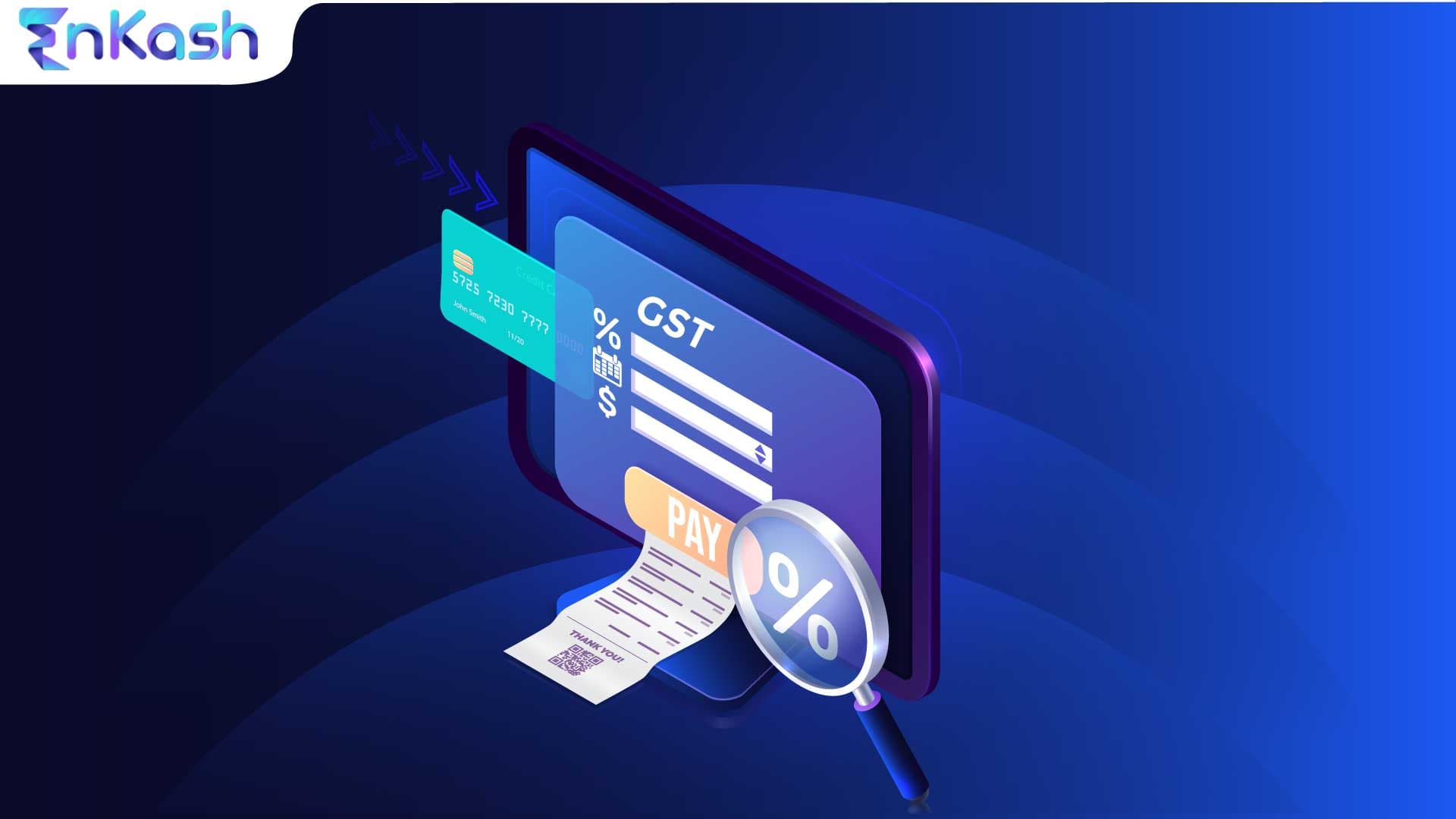
For businesses running in India, GST payments are an integral part of their operations and a necessity by law. It is essential to simplify GST payments and learn how to pay GST online to ensure you meet all compliance and audit requirements.
There is more than one aspect to ensure you pay GST on time for your business. One is to ensure that if you are not registered under GST then you should know the GST registration requirements to register, but if you are already registered then you use online tools to search GST number. The next thing you have to ensure is that you are paying within the time period given to you to make the payment. Usually, this falls about 20 days after the end of the month, and if you have chosen the composition scheme, it falls 18 days after the end of the quarter. The second aspect that you have to ensure regarding GST payment is to ensure that you have the funds available to make the payment. GST payment through credit cards is a good option.
The third aspect is to ensure that you have all the paperwork and approvals to make the payment on time. This ensures that you can submit GSTR-3B or GSTR-4 forms on time after the payment of GST. The final aspect is to ensure you have an easy and quick way to complete the transaction.
As a business with numerous demands on your limited resources, it may often be difficult to arrange funds to make the payment on time. This is where using a credit card to pay GST becomes a viable option. You can also learn how to pay GST in advance payments.
EnKash, Asia’s first and smartest spend management platform, steps in to help you with this. You need to have a personal or corporate credit card with a substantial limit to help you access easy and quick funds. The smart platform goes one step further and helps you make tax payment through a credit card.
Benefits of GST payments by credit cards with EnKash:
- Quick access to funds from your credit limit to make the GST payment on time
- GST payments via credit cards on EnKash also ensure you have all checks and approvals as needed
- You get a credit period based on your billing cycle to enable you to enjoy the credit
- A minimal transaction rate charge of only 1.1% on such payments using the platform
- Additional reward points can be redeemed for a wide variety of rewards useful to your business
- Improved credit score when you manage your credit card payments on time
Also Read: Types of GST
How to use your credit card to pay GST online:
- As a first step, please sign in to the government GST portal
- Login and create the GST challan as per your business type
- Enter all the details required and make the payment using NEFT/RTGS while ensuring you have selected Axis Bank as your remitting bank
- Click on generate challan. Verify all the details and download it
- Go to EnKash and enter your mobile number and OTP to login
- Select the GST payment option as visible and enter company details like company type, sub-category, and PAN/GSTIN as required
- All these details will be verified, after which you will be able to upload the GST challan generated
- Upload the GST challan, and OCR based auto reader will read and verify all the details
- You can view the challan and check all the details for yourself
- Make sure it is maker and checker approved
- Once verified, select the challan and click on Pay option
- Click on Pay Online option and enter any of your credit card details
- As soon as you click on Pay Now, your GST will be paid on EnKash
- You can check the status of your payment on the dashboard
As you can see, the process of using credit cards to make GST payments is not only easy, it is also beneficial to your business. Additionally, you can use the EnKash platform to streamline all kinds of payments and manage paperwork to ensure you are up-to-date with all your compliance and audit requirements.
Charges or fees levied on credit card
Here are some charges that most companies levy on credit cards, which can help you select the card that will best suit your needs.
Charges for annual maintenance
The amount charged varies from one card to another and, in some cases, can be waived off. The key is to check if this has been waived off for only the first year or for a lifetime.
Fees on cash withdrawal
Most credit cards will include a credit limit and a cash withdrawal limit. Apart from the interest charges that cash withdrawals incur, there is a fee that is charged (~2.5%) at the time of withdrawal.
Over-credit limit charges
According to the type of credit card you have, there could be a provision for you to spend over and above the set limit on the card. When card usage is above the limit, there will be an over-credit limit charge levied on it,
Penalties for late payment
When billing you, the credit card statement will state the total amount to be repaid as well as the minimum amount due, In case you are not able to make the amount due by the due date, there will be late payment penalty.
Interest on the amounts due
If you have an outstanding amount on your credit card, after the due date, the bank will charge you interest on the amount due. These charges are incurred only when you do not pay the total outstanding amount by the due date.
Goods and services tax
Credit card transactions will attract GST as per the applicable laws of the country. Usually, GST is applicable on interest charges, annual fees, and the processing charges on EMIs.
Mark-up fee for foreign currency
Many credit cards are configured for usage in foreign countries, and along with it, there could be extra fees for transactions that take place in foreign exchange. This fee will differ from one card to another.
Do you still have some doubts about GST payments?
Read these FAQs to know more
I have issues with ready funds. What is the solution to making GST payments on time?
The solution is to make GST payments via corporate cards. It is a simple but effective solution that automatically allows you to pay your dues without worrying about a long process to arrange funds. The best part is using credit cards to pay GST is a simple and secure process that can be done on the EnKash portal.
Can I use any credit card to make GST payments?
Yes, you can use any credit card as long as that is operational for Indian usage and has a credit limit to cover the payment. We have described the process to pay via credit cards above for your reference.
What other methods do I have to complete GST payments?
The GST portal offers a wide variety of options, including electronic payments, checks, demand drafts, credit cards, debit cards, and over-the-counter cash payments with authorized banks.
What happens if I miss remitting GST payments on time?
You face a penalty fee for every day of delay in making the payment against the GST dues of your business.
Is there a problem if I make an excess payment toward GST?
Besides blocking your funds, there is no problem with excess payment toward GST. You can file for a refund of the excess amount paid or have it adjusted against future dues on GST.