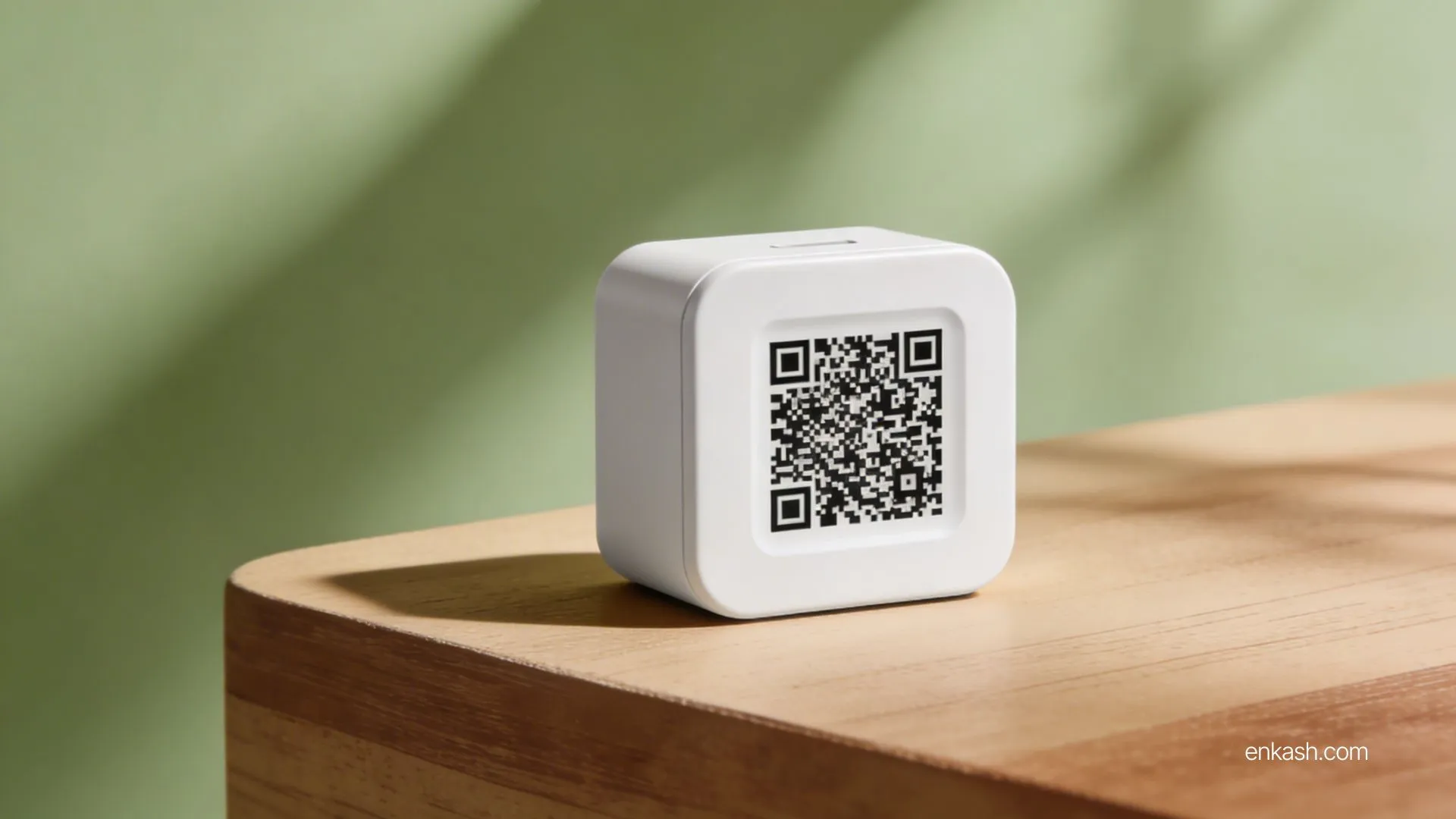




EnKash is India’s leading spend management platform, simplifying payments, expenses, cards, and rewards for businesses. Backed by $23M in funding and trusted by 5,000+ businesses, it holds key RBI licenses and partners with Visa, Mastercard, and NPCI. Its powerful financial suite empowers CFOs with automation, compliance, and real-time insights across the payment ecosystem.
EnKash Payment Gateway, is a licensed online payment aggregator authorised by the RBI
EnKash is a commercial trade name owned by the legal entity, Nehat Tech Solutions Pvt. Ltd.
Licenses & Certificates



Help and Support
Corporate cards, payments, and other related services are provided by RBI-licensed banks and/or in accordance with RBI regulations and/or compliance maintained by banks and regulated entities. EnKash is not a bank and does not hold or claim to hold a banking license.
*Powered by Banks/REs.
Copyright © 2025 | Nehat Tech Solutions Pvt. Ltd. All right reserved.
Help and Support
Licenses & Certification

Corporate cards, payments, and other related services are provided by RBI-licensed banks and/or in accordance with RBI regulations and/or compliance maintained by banks and regulated entities. EnKash is not a bank and does not hold or claim to hold a banking license.
*Powered by Banks/REs.
Copyright © 2026 | Nehat Tech Solutions Pvt. Ltd. All rights reserved.
Copyright © 2026 | Nehat Business Services Pvt. Ltd. All rights reserved.
Copyright © 2026 | Nehat Tech Solutions Pvt. Ltd. All rights reserved.
Copyright © 2026 | Nehat Business Services Pvt. Ltd. All rights reserved.
Corporate cards, payments, and other related services are provided by RBI-licensed banks and/or in accordance with RBI regulations and/or compliance maintained by banks and regulated entities. EnKash is not a bank and does not hold or claim to hold a banking license.
*Powered by Banks/REs.