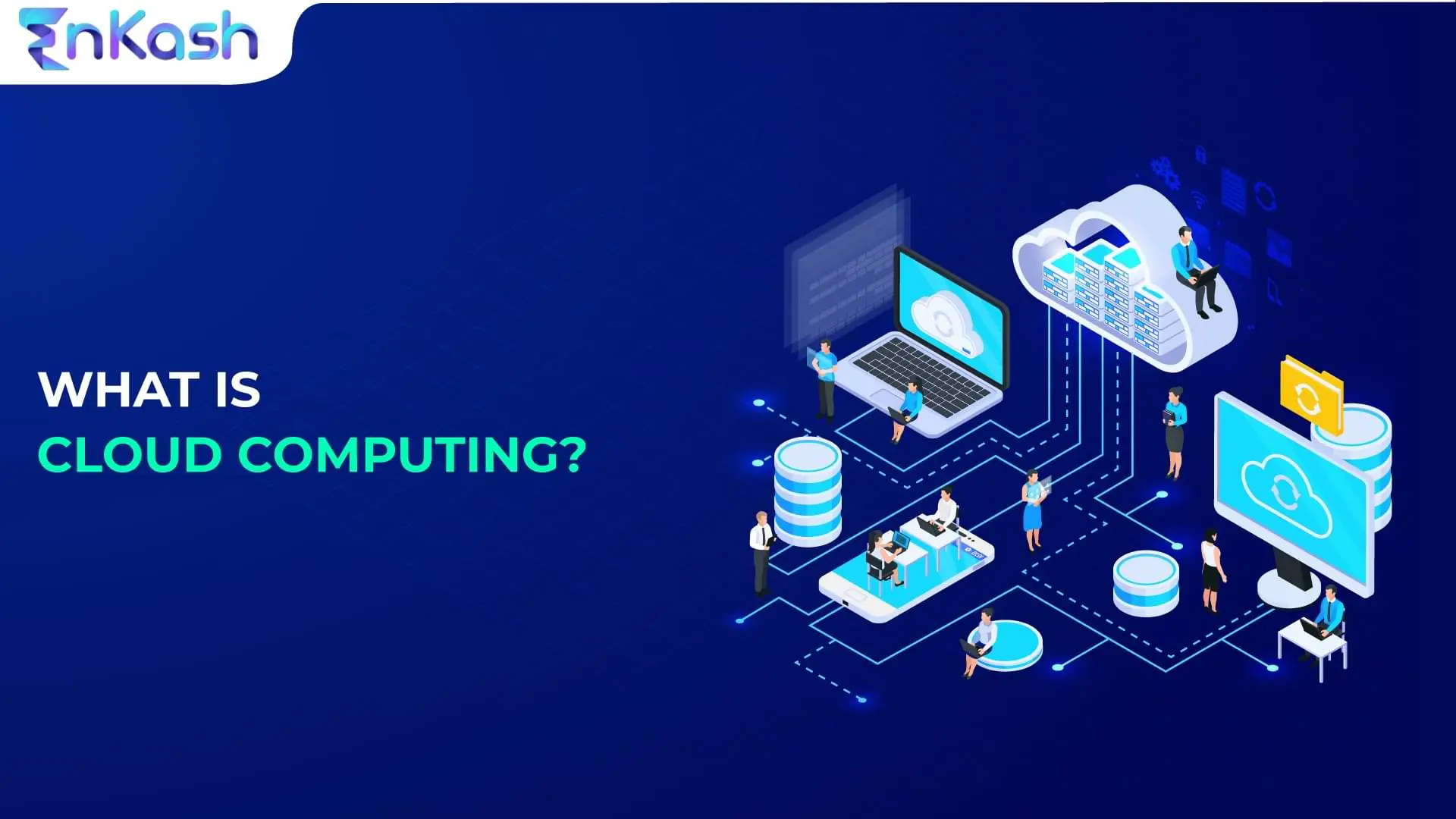
Cloud computing has become an increasingly popular buzzword in recent years, as businesses and individuals seek out more efficient and cost-effective ways to store and process data. With the rise of remote work and the need for flexible, scalable solutions, cloud computing has emerged as a key technology for the digital age.
In this article, we will explore what cloud computing is, and its meaning and provide examples of how it is used in the modern world. Whether you are a business owner, IT professional, or simply curious about the future of technology, understanding cloud computing is essential.
What is Cloud Computing?
The delivery of computing services, such as servers, storage, databases, networking, software, and statistics, over the internet is known as cloud computing. It is an on-demand service, which means that users can access and use resources as they need them without having to worry about infrastructure maintenance or upfront costs. Cloud computing can be used for a variety of purposes, from hosting websites and applications to storing and processing data.
Cloud computing can be defined as a method of using a network of remote servers hosted on the internet to store, manage, and process data, rather than relying on a local server or a personal computer. It allows users to access computing services on demand, without having to invest in hardware or infrastructure. Cloud computing is scalable, meaning that resources can be added or removed as needed, making it a flexible and cost-effective solution for businesses and individuals.
Examples of Cloud Computing
Cloud computing is a broad term that encompasses various services and solutions delivered over the Internet. Here are some examples of cloud computing in detail:
- Infrastructure as a Service (IaaS)Infrastructure as a Service (IaaS) provides businesses with virtualized computing resources, such as servers, storage, and networking. IaaS providers like Amazon Web Services (AWS), Microsoft Azure, and Google Cloud Platform offer businesses the ability to access powerful computing resources without having to invest in expensive hardware and infrastructure.
IaaS is a popular option for businesses that require scalable, flexible solutions for their computing needs. For example, a business may need to quickly ramp up its computing resources during peak periods, such as during a holiday shopping season. With IaaS, businesses can quickly add or remove computing resources as needed, making it a cost-effective solution.
- Software as a Service (SaaS)Software as a Service (SaaS) provides businesses with software applications that are delivered over the internet and accessed through a web browser or mobile app. SaaS providers like Salesforce, Microsoft Office 365, and Adobe Creative Cloud offer businesses the ability to access powerful software applications without having to install or maintain the software themselves.
SaaS is a popular option for businesses that require access to powerful software applications but do not want to invest in the hardware or infrastructure required to support them. For example, a small business may need access to customer relationship management (CRM) software but cannot afford to purchase and maintain the software themselves. With SaaS, the business can access the software they need on a subscription basis, making it a cost-effective solution.
- Platform as a Service (PaaS)Platform as a Service (PaaS) provides businesses with a platform for developing and deploying applications without having to worry about the underlying infrastructure. PaaS providers like Google App Engine and Heroku offer businesses the ability to develop and deploy applications quickly and easily, without having to invest in the hardware or infrastructure required to support them.
PaaS is a popular option for businesses that want to focus on developing and deploying applications, rather than worrying about infrastructure. For example, a startup company may need to quickly develop and deploy an application to compete in a crowded market. With PaaS, the company can quickly develop and deploy the application they need, without having to worry about the underlying infrastructure.
- Cloud StorageCloud storage services like Dropbox, Google Drive, and OneDrive provide businesses and individuals with the ability to store and access files and data in the cloud. Cloud storage services offer a convenient way to access files and data from anywhere with an internet connection, making it easy to collaborate and work remotely.
Cloud storage is a popular option for businesses and individuals that need to access files and data from multiple locations. For example, a team of remote workers may need to access the same files and data to collaborate on a project. With cloud storage, the team can access the files they need from anywhere with an internet connection, making it a flexible solution.
Benefits of Cloud Computing
Here are three key benefits of cloud computing:
- Cost SavingsWith cloud computing, businesses can avoid the high upfront costs of purchasing and maintaining hardware and software infrastructure. Instead, businesses can access computing resources and software applications on a subscription basis, paying only for what they need and use. Cloud computing also eliminates the need for businesses to invest in expensive IT staff and infrastructure. This means that businesses can focus on their core competencies and let cloud providers manage the IT infrastructure and support.
- Scalability and FlexibilityCloud computing allows businesses to easily scale up or down their computing resources and software applications as their needs change. This means that businesses can quickly and easily respond to changes in demand, whether that is due to seasonal fluctuations, growth, or unforeseen circumstances. Additionally, cloud computing gives companies the freedom to work remotely and access their software and computing resources from any location with an internet link. This is especially crucial in the modern world, where remote work is the standard.
- Reliability and SecurityCloud computing offers businesses reliable and secure computing resources and software applications. Cloud providers typically offer robust security measures, including encryption, firewalls, and access controls, to protect their customers' data and computing resources. Cloud computing also offers businesses reliable computing resources and software applications, with built-in redundancy and failover capabilities. This means that businesses can avoid costly downtime due to hardware or software failures and ensure that their computing resources and software applications are always available when they need them.
Conclusion
As businesses and individuals increasingly rely on the internet for storing and processing data, cloud computing has emerged as a key technology for the digital age. With the flexibility, scalability, and cost-effectiveness of cloud computing, it has become a popular choice for businesses looking to optimize their computing resources.
The examples of Infrastructure as a Service (IaaS), Software as a Service (SaaS), Platform as a Service (PaaS), and Cloud Storage demonstrate the versatility of cloud computing in various industries. The benefits of cloud computing, including cost savings, scalability, flexibility, reliability, and security, make it an indispensable technology. As the world continues to embrace remote work and other digital technologies, the use of cloud computing is expected to grow even more in the coming years