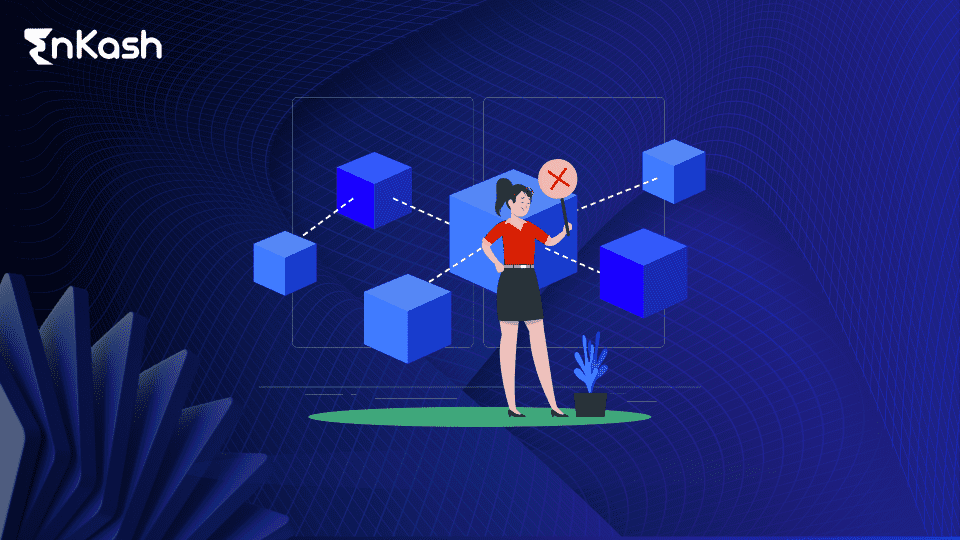
Probably one of the most important decisions when organizations grow is the scale at which control and autonomy are applied within the organizational structure. Often, such a decision is between centralized and decentralized models. Every structure has its advantages and disadvantages, and this also applies to the purchasing or procurement function.Decentralization refers to the actual delegation of decision-making powers from higher levels of management to lower levels or even individual departments. In contrast, centralization keeps all decision-making authority consolidated at the top levels of the organization. An understanding of how these structures work, especially in the context of procurement, helps companies choose the best approach for operational needs. This blog post is going to discuss the disadvantages of decentralization, particularly in purchasing, and the difference between centralized and decentralized purchasing.
Read More: Analytics Solution for BusinessUnderstanding Decentralization
Before we delve into the disadvantages of decentralization, it’s important to understand both centralization and decentralization. In a centralized organizational structure, decision-making authority is concentrated at the top levels of the hierarchy. All important decisions, including purchasing and procurement, are made by a central authority, usually the head office or a designated procurement department. This model allows for better control over organizational operations, standardization of processes, and a consistent strategy across all departments.
In a centralized purchasing system, all procurement activities are handled by a single department. This allows the company to consolidate its purchasing efforts, negotiate better deals with suppliers, and ensure compliance with company-wide policies.Decentralization, in contrast, disperses decision-making authority across various departments or business units. Each department or unit has the autonomy to make operational decisions, including purchasing. This flexibility allows teams to be more responsive to their specific needs and market conditions. However, it can also create challenges when it comes to coordination, consistency, and cost-efficiency.In decentralized purchasing, individual departments or business units are to run their own procurement activities. Sometimes it might lead to inefficiency and missed opportunities for bulk discounts or streamlined processes.
Read More: Expense ManagementKey Disadvantages of Decentralization
Decentralization in purchasing also has a few drawbacks that are most probably going to adversely affect a firm's overall performance. Some of the major disadvantages of a decentralized purchasing model include the following:
1. Coordination Challenges
This system allows one unit to make decisions on their own, independent from the organizational decisions, hence allowing them flexibility. While some autonomy makes way for ideas and better decision-making, decentralized structures also sometimes work to eliminate coordination in the whole business. For instance, one department might negotiate favorable terms with a supplier, but another department might unknowingly enter into a separate, less advantageous deal with the same supplier. Coordination often fails where it doesn't create chances for economies of scale, leading to inefficiency.When purchasing is decentralized, it becomes a problem for the organization to ensure an integrated procurement strategy. In this case, departments may have conflicting priorities which can make the negotiation of contracts complicated and may also lead to inconsistencies in relationships with suppliers. Moreover, departments will not be aware that they are buying redundant products or services hence adding more inefficiencies.2. Higher Administrative Costs
Another major disadvantage of decentralization is the potential for higher administrative costs. Decentralized organizations often require more staff to handle the additional administrative workload that comes with greater autonomy at the department level. Each department may need its own procurement team, which increases labor costs. Additionally, decentralized purchasing can lead to redundant functions, as each department may develop its own purchasing processes and systems rather than sharing a centralized approach.
These increased administrative overhead costs can present particular challenges to SMEs, where the additional costs of decentralization may outweigh the benefits. Such costs are also likely to burden larger organizations in terms of the duplicated roles and activities across various departments.3. Inconsistent Processes and Standards
Decentralized organizations are unable to have consistent processes and standards across departments. In purchasing, this will lead to different compliance levels with company policies, regulatory requirements, and quality standards. For example, a department may be very strict in procurement while another may be lenient, and the difference may be realized in supplier quality and compliance.This lack of standardization also makes it challenging to operate procurements efficiently and effectively. For example, the company would not have a centralized purchasing department that can enforce certain companywide standards, meaning that it cannot easily promote a unified procurement strategy. Instead, it will have a patchwork of purchasing processes, which make it harder to take measures to gain operational efficiencies or negotiate better terms with suppliers.4. Loss of Negotiating Power
Loss of negotiating power with suppliers is one of the most crucial disadvantages of decentralization in purchasing. Under a central purchasing model, the consolidation of buying power by an organization helps in negotiating huge discounts and securing favorable terms from suppliers. In contrast, in decentralized models, purchases are authorized at the department or business unit level, thus making the overall buying power less effective for the organization as a whole.
This means that departments have much less bargaining power than the general organization during negotiations, and will therefore end up with a more costly deal with respect to the goods and services they purchase. They don’t have the luxury of choosing their supplier. On the supplier side, for the suppliers, it’s easier to deal with one person than with multiple interlocutors, and the negotiation process is speeded up.5. Duplication of Efforts
Decentralization often results in much duplication of effort, particularly when various departments act as separate units. For instance, purchasing different products or services from different suppliers might waste time and resources, thereby being inefficient. In a case where two departments independently procure the same office supplies, there would be duplication of effort and, most probably, increased costs.In addition to wasting time and money, this duplication makes it hard for an organization to track overall spending. In a decentralized model, it’s hard to know what everyone in the organization is buying, making it hard to identify areas in which bulk purchasing or supplier consolidation could save money.6. Lack of Transparency
Decentralization can also reduce transparency in procurement. Because each department operates its own procurement process, it is more difficult for an organization as a whole to monitor overall patterns of spending. This can lead to inefficiencies, such as duplicate purchasing or maverick spending (in which employees make purchases outside of procurement policy).In a decentralized model, procurement policies are harder to enforce, and compliance becomes more difficult to monitor across departments. Without a centralized authority managing the purchasing decisions, there are greater chances of variation and non-compliance with corporate policies or regulatory requirements.7. Slower Organizational Learning
Decision-making might be slower in a decentralized organization, as knowledge gained from the purchasing decisions would not be passed on to other departments, thus slowing down organic organizational learning. Each department in a non-profit might develop different procurement strategies, but these strategies would not influence or benefit from each other. For instance, suppose one department finds a more efficient supplier or process. If the organization does not have a centralized procurement function, other departments will not benefit from this discovery.This lack of learning might prevent the organization from improving its procurement processes over time. If purchasing is centralized, the organization can create best practices and share them across departments, which enables continuous improvement of procurement operations.It can be difficult to assess the performance of a set of decentralized departments or business units when the departments might not be able to see what other departments are doing. If there are no common processes and standards for interacting with suppliers across the organization, it can be difficult to gauge supplier performance, track spending, and identify issues that need corrective action.There won’t be a common set of standards (KPIs) either to judge the success of procurement across the organization or to identify where improvements in cost or efficiency could be made.Read More: Account receivable processCentralized and Decentralized Purchasing: Key Differences
In order to better understand the disadvantages of decentralization, it is important to look further into the differences between centralized and decentralized purchasing. These models are two different approaches to the procurement function, and each have their own benefits and disadvantages.
1. Decision-Making and Better Control
The most obvious difference between centralized and decentralized purchasing is the level of control and decision-making authority: in centralized purchasing, all procurement decisions are made by a single central procurement department. This department is responsible for creating and maintaining relationships with suppliers, negotiating contracts and agreements, and handling the purchasing process for the whole organization.
In contrast, decentralized purchasing delegates the decision-making to several individual departments or business units. By doing that, the individual departments are in charge of their own purchasing activities. The benefit of this approach is that it grants more flexibility and autonomy in the purchasing decisions, which can lead to faster decision-making. The disadvantage is that the organization’s purchasing activities cannot be coordinated across departments.
2. Supplier Relationships
In a centralized purchasing model, the organization builds a long-term relationship with suppliers because the central procurement department manages all purchasing activity. Thanks to this arrangement, the organization can negotiate better terms with the supplier as well as improve service levels.In the decentralized purchasing model, each department is responsible for managing its own supplier relationships. This might lead to more flexibility for departments: they can work with more specialized suppliers. However, it also increases the possibility of variation in supplier performance or contract terms, which may not be pleasant for the suppliers. Consistency of contract management is also easier if one department manages all the contracts.
3. Cost-Saving and Efficient
Centralized purchasing is usually more efficient than decentralized purchasing. This is because an organization can concentrate its purchasing activity and benefit from economies of scale; the organization will be able to negotiate a cheaper rate with its suppliers by buying a bulk quantity of goods and signing longer-term contracts.
Decentralized purchasing can also result in higher costs, as individual departments will not have the same buying power as the organization as a whole. It can also mean duplication, as the same products or services are sourced by different departments, possibly through separate procurement processes.
4. Flexibility and Responsiveness
Decentralized purchasing enables departments to purchase goods and services more flexibly and responsively than in a centralized system since they don’t have to wait for central approval. This kind of agility is particularly valuable in fast-moving industries where departments must act quickly in response to developments in the market or the needs of customers.
On the other hand, centralized purchasing is often more sluggish and less nimble since all purchasing decisions must flow through the central procurement department. This sluggishness means that the central department can slow decision-making, particularly if it faces a high volume of orders from many departments.5. Compliance and Risk Management
Centralized purchasing also gives more control over compliance and risk management since the central procurement department decides the policies and regulations for all purchase activities. This way, fraud, waste, and non-compliance risks are much lower, as all purchases are subject to the same processes and standards.A decentralized purchasing model makes enforcing compliance and managing risk across departments more difficult. Without a central purchasing authority to govern purchasing decisions, there is a greater risk of inconsistent practices, maverick spending, and non-compliance with company policy or regulations.
Read More: Budget Management PlatformConclusion
The key advantages of decentralization are flexibility, autonomy, and faster decision-making; the key disadvantages are lack of coordination, higher administrative costs, inconsistent processes, and loss of negotiating power.On the other hand, centralized purchasing offers more control, efficiency and cost efficiencies through the concentration of procurement activities in one single department. Although it is less adaptable to swift changes in the market, centralized purchasing allows the organization to benefit from economies of scale, maintain its relationships with suppliers consistently and enforce compliance.In the end, the decision between centralized and decentralized purchasing is based on organizational needs and priorities. Some organizations may prefer decentralized purchasing because it provides agility and autonomy. Other businesses may prefer centralized purchasing because it offers cost savings and control. Some may even select a mixture of centralized and decentralized purchasing that combines both benefits.
Read More: Expense management softwareFAQs
What is the main difference between centralized and decentralized purchasing?The main difference is the question of decision-making authority. When procurement is undertaken centrally, all procurement decisions are centralized in a single purchasing department, while with decentralized purchasing, each department or unit is allowed to procure goods and services by themselves.
Why do some organizations prefer decentralized purchasing despite the higher costs?Some organizations might deliberately favor decentralized purchasing because it confers greater flexibility and faster decision-making at the department level, which is important when departments must respond swiftly to market conditions shifts or customers’ demands.
How can decentralization impact the overall efficiency of purchasing processes?Duplication of efforts and inconsistencies across the departments can arise in the process of decentralization. Without centralized coordination, different departments follow different processes which can slow down the procurement process and increase costs.How does centralized purchasing help in managing supplier relationships?In centralized purchasing, a single procurement department manages all supplier relationships to negotiate better terms, achieve consistent quality, and develop long-term relationships with suppliers.What are some risks associated with decentralized purchasing?Lack of centralized purchasing can mean a lack of transparency, uneven adherence to company policies, and missed opportunities for bulk discounts.Can a hybrid purchasing model incorporate some of the strengths of centralized and decentralized approaches? Yes, a hybrid model provides the best of both approaches. It combines the efficiencies of centralized purchasing of high-value and strategic goods with the autonomy of individual departments over lower-value, day-to-day purchases.What types of organizations typically benefit most from centralized purchasing?Companies with many departments, a large number of goods to buy, and complex supply chains benefit the most from centralization. They can best leverage their purchasing power and ensure a standardized organizational approach.How does decentralized purchasing affect compliance with company-wide policies?Decentralized purchasing might make compliance difficult to enforce. Different departments might develop their own processes, leading to different levels of compliance with regulatory requirements and internal rules.
How does centralized purchasing improve spending visibility across an organization?The key benefit of centralized purchasing is that all the data is visible in one place, and the organization can see exactly where it’s spending money. This sheds light on where it’s overspending or spending inefficiently and helps it ensure that purchases support the company’s vision and goals.What are the potential challenges of transitioning from decentralized to centralized purchasing?The shift entails pushback from departments accustomed to autonomy, the standardization of processes across the organization, and new procurement technology investments to centralize data and track spending.