

ECOMMERCE & RETAIL
An e-commerce payment gateway that converts more browsers into buyers, and gets paid faster doing it.
India's e-commerce market is booming. But checkout drop-offs, payment failures, and slow settlements are silently costing you revenue every single day. EnKash Payment Gateway is built to fix all three.
Five ways we turn payment problems into revenue
Lightning Checkout
Give every buyer a reason to complete and no reason to drop off
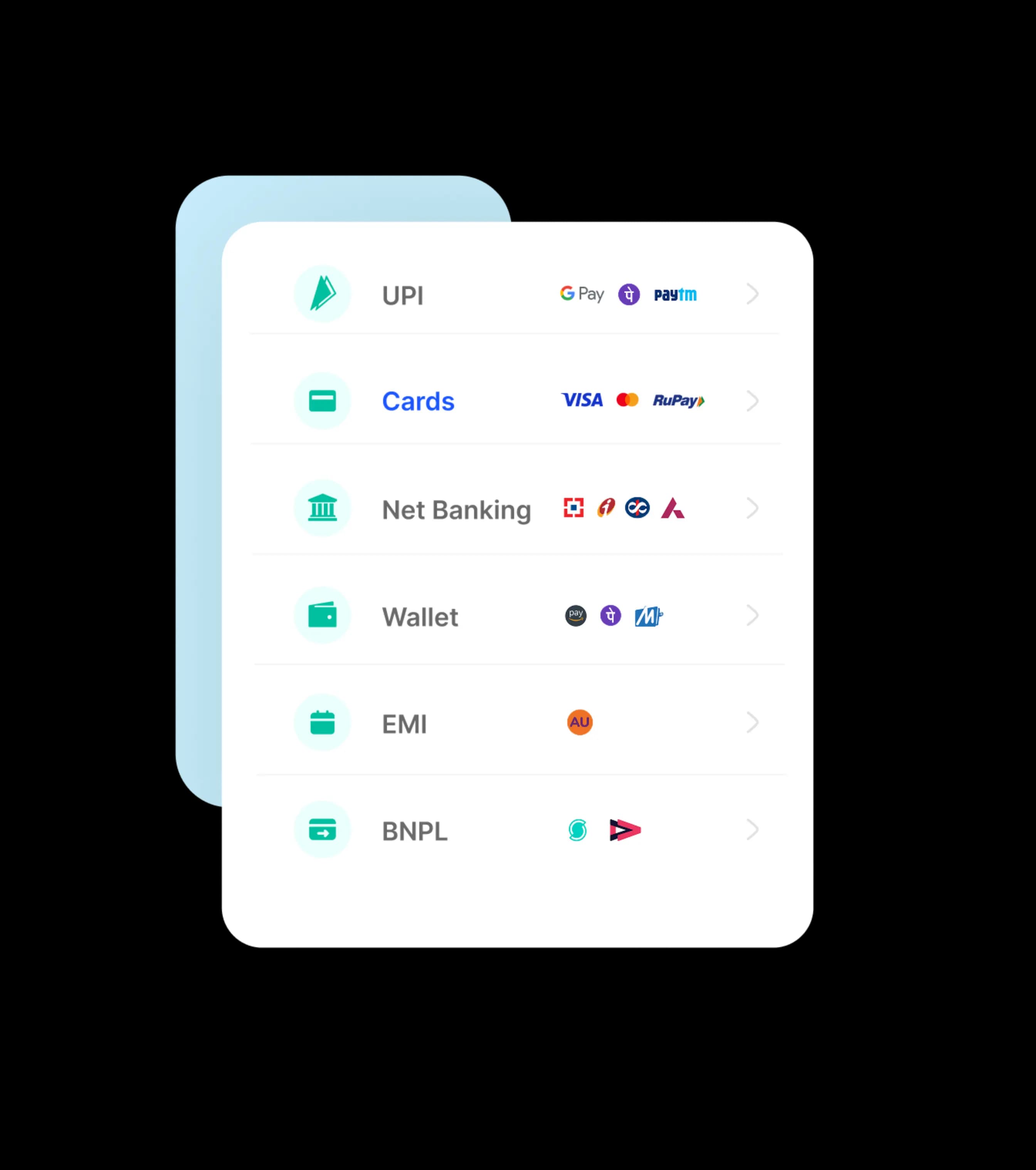
100+ payment options, including UPI, cards, net banking across 70+ banks, wallets, and flexible installment options in a single fast-loading checkout. Returning users move through a simplified flow with fewer steps. Intelligent payment suggestions surface the most relevant option for each user.
Higher conversion at checkout. Every percentage point recovered directly improves revenue.

Cash On Delivery Controls
You decide when cash on delivery is available
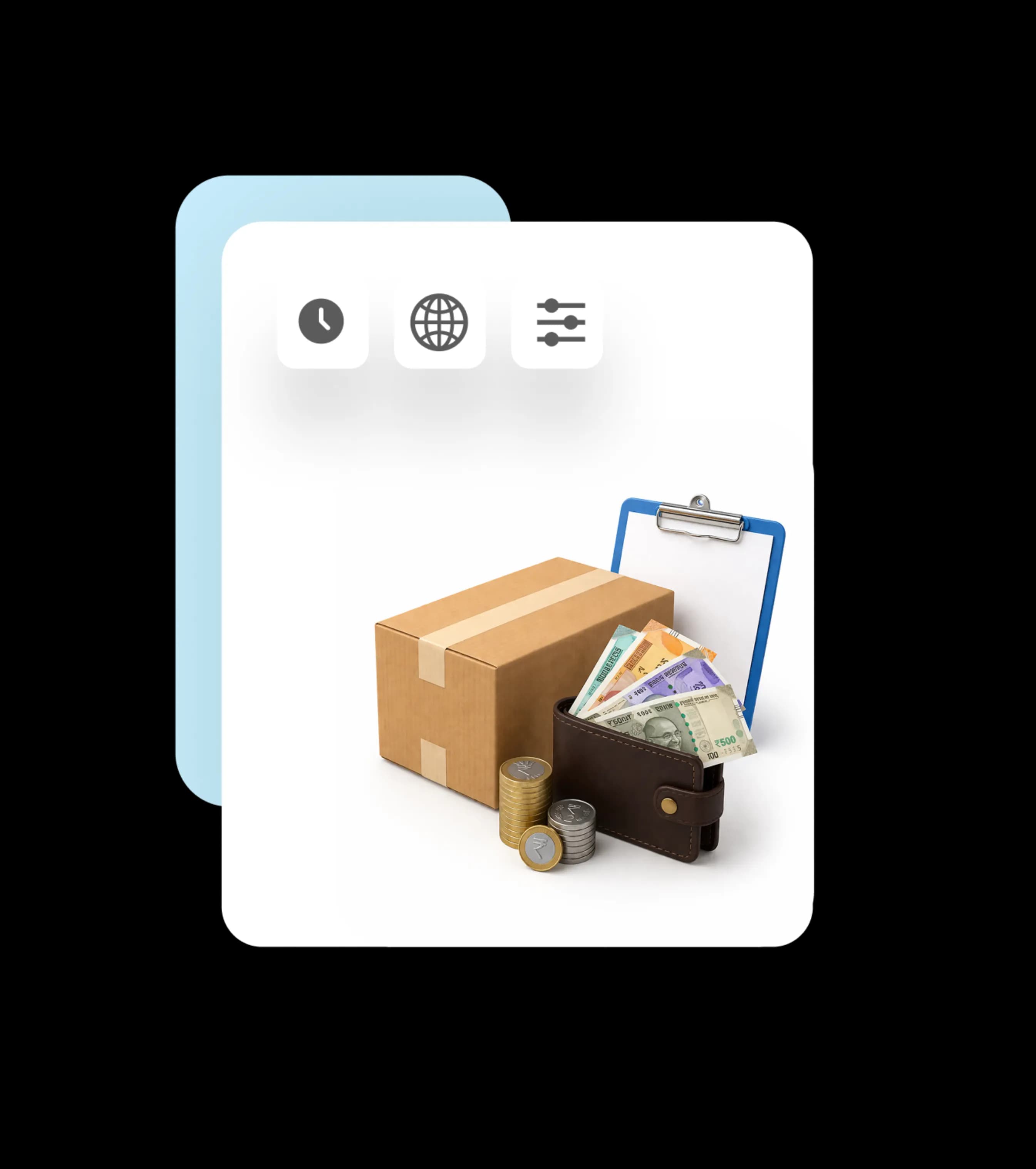
Configure cash on delivery by order value, location, and customer profile. Add a convenience fee to encourage prepaid adoption without removing flexibility. Every order triggers a webhook instantly for operational visibility.
Lower return to origin rates. Higher prepaid share. More predictable margins.

Instant Settlement and Smart Reconciliation
Know exactly what you earned across every channel by end of day
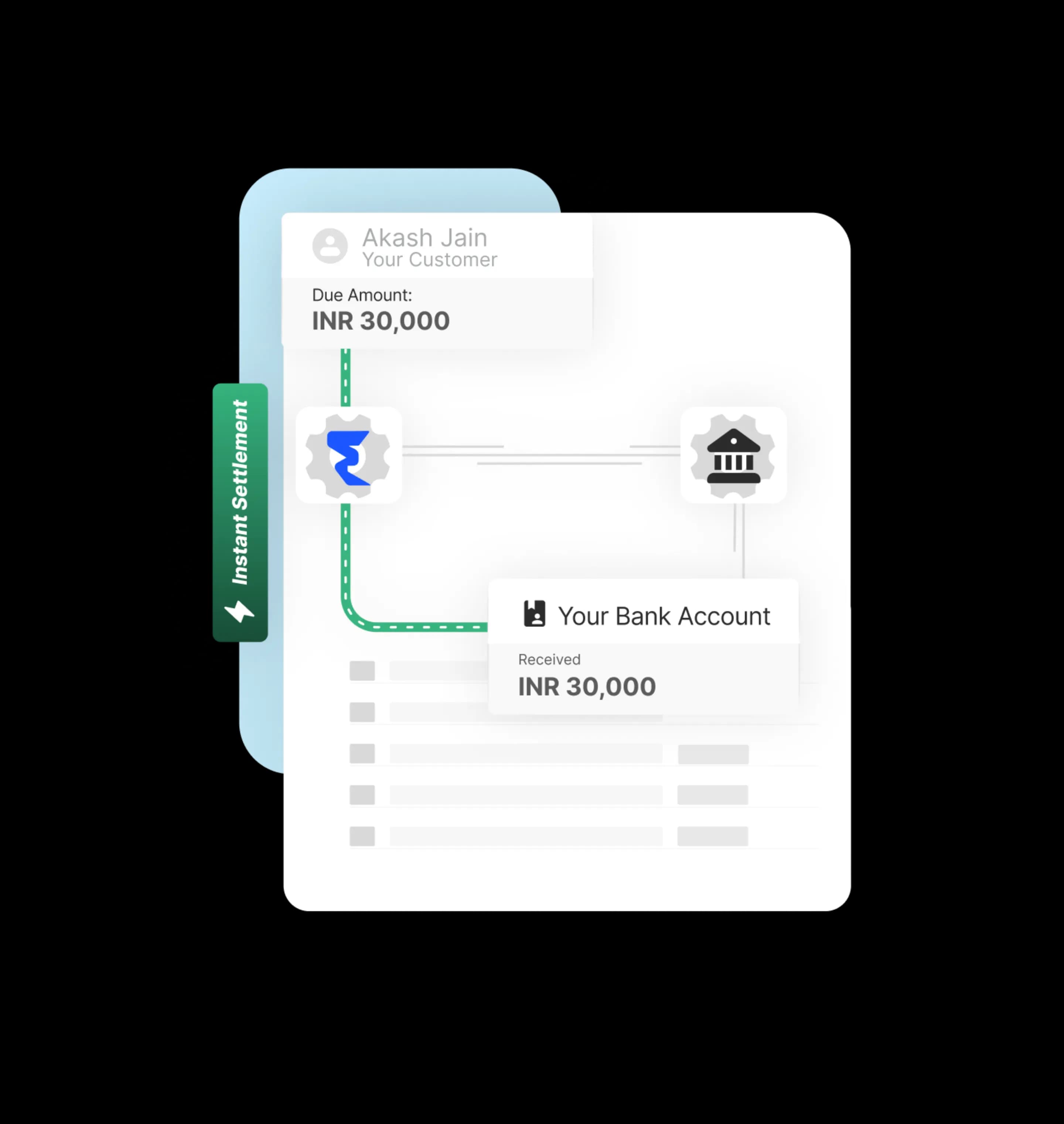
Choose same-day or T+1 settlements. Every transaction is automatically reconciled across your website, marketplaces, and social channels. Direct ERP integrations with Tally, SAP, and Zoho ensure accurate and real-time accounting.
Faster access to working capital. Financial closure in hours instead of days.

Affordability Suite
Turn high-ticket hesitation into completed orders
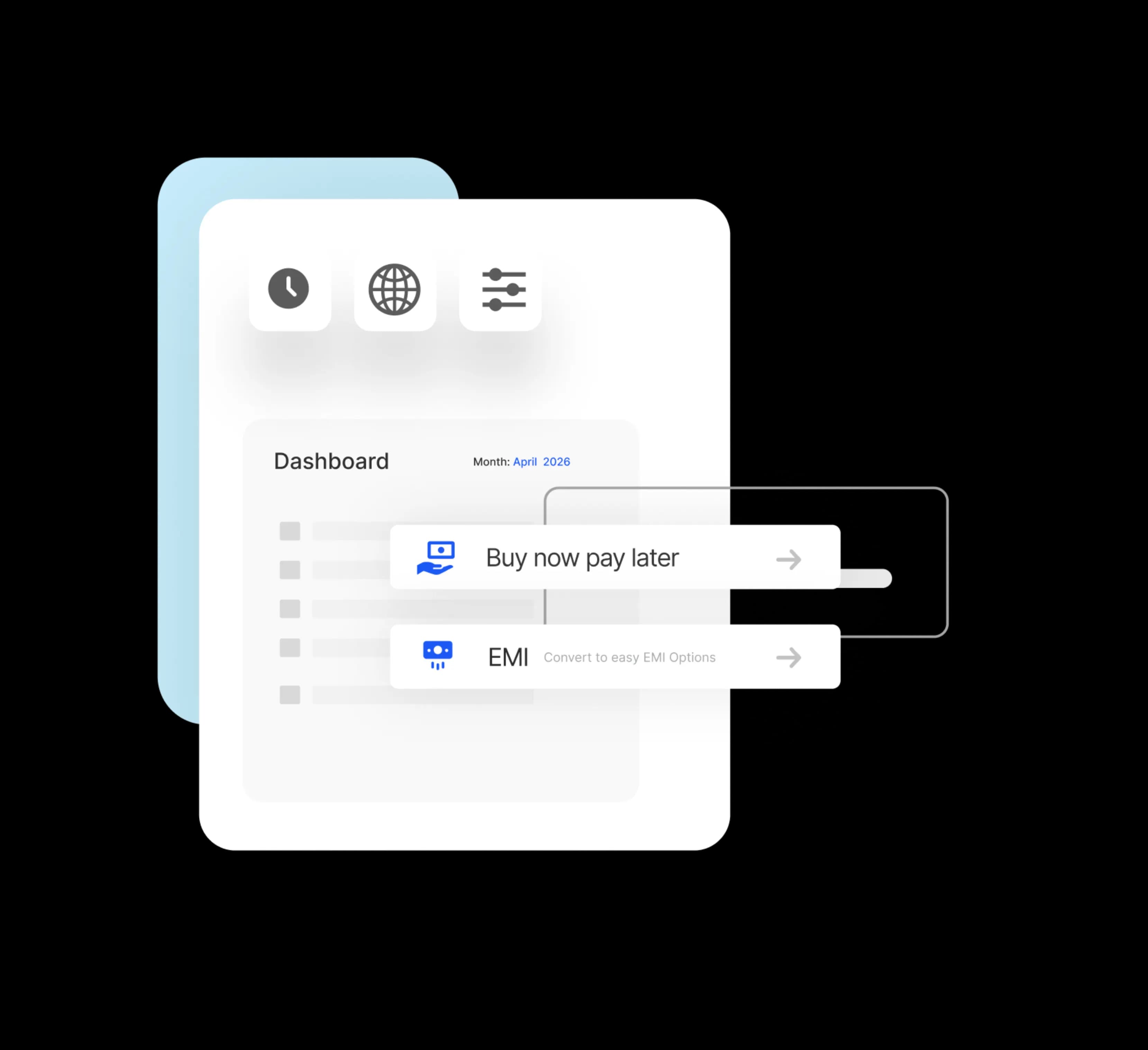
Give buyers flexible ways to pay large amounts, instalment options and pay-later solutions at checkout, so cart size is never limited by what someone can pay in one shot. Configurable per product category, cart value, or payment mode. No revenue delay for you; a manageable experience for them.
Higher average order value. Fewer abandoned carts on high-ticket items.

High-Concurrency Infrastructure
Your gateway should be most reliable exactly when traffic is highest
EnKash is built for peak-load scenarios — 800+ transactions per second, CDN-optimised checkout, and auto-scaling during sale events. No degradation during festival drops, flash sales, or influencer-driven traffic spikes. Every payment captured, every session completed.
Zero gateway failures during your highest-revenue moments.

What reliable e-commerce payments look like in numbers
0+
payment modes including UPI, cards, net banking, and wallets
T+ 0
Settlement cycle, revenue in your account the next business day
0
Major platform plugins — Shopify, WooCommerce, Magento, Wix
More ways EnKash helps your businesses get paid
Works with your existing stack
Native plugins, clean APIs, and ERP sync — connect in hours, not weeks.
Stop losingsales at checkout.
Frequently Asked Questions (FAQs)
Have more questions?
01. What is an e-commerce payment gateway?
An e-commerce payment gateway is a secure technology that facilitates online payment processing between customers, businesses, and banks. It authorizes online transactions in real time and encrypts sensitive data like card details and net banking information of the user to ensure safe and reliable payments.
02. Which type of e-commerce uses a payment gateway?
Almost all types of e-commerce businesses use a payment gateway to accept online payments. This includes B2B, B2C, and D2C businesses, as payment gateways enable secure, fast, and seamless transactions between customers and businesses.
03. Can I run an e-commerce business without a payment gateway?
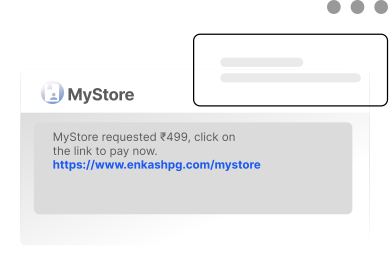
Yes, you can run an e-commerce business without any traditional payment gateway. You can accept payments via different methods, such as cash on delivery (COD), direct bank transfers, QR codes, and payment links. However, it is not recommended. Without a payment gateway, managing and tracking transactions becomes difficult, reconciliation takes more time, and the risk of errors increases. You also miss out on online card payments, which are a major part of consumer preference today, as consumers use credit cards to make online purchases on e-commerce platforms.
For a smooth, scalable, and secure checkout experience, using a payment gateway is the better choice for most e-commerce businesses.
04. Can you bypass a payment gateway on an e-commerce website?
No, you cannot bypass a payment gateway on an e-commerce website for legitimate online transactions. A payment gateway is essential to securely process payments, encrypt customer data, and comply with regulations set by the Reserve Bank of India (RBI) and card networks. Attempting to bypass it can expose your business to fraud, data breaches, and legal risks, and may lead to payment failures or penalties.
Instead, businesses can optimize costs and performance by choosing the right payment gateway, using smart routing, and negotiating transaction fees with providers.
05. How do you use a payment gateway in e-commerce?
To use a payment gateway in an e-commerce website, you need to integrate it with your store using APIs or plugins (for platforms like Shopify or WooCommerce). Once integrated, customers can select their preferred payment method, such as UPI, cards, or net banking, at checkout. The payment gateway securely processes the transaction, verifies details with the bank, and confirms the payment in real time, allowing you to complete the order smoothly.
06. What are the payment gateway charges for an e-commerce website?
Payment gateway charges for an e-commerce website usually range between 1% to 3% per transaction, depending on payment method, monthly volume, industry type, and provider terms. Additional fees may apply for international payments or premium services. Businesses with higher transaction volumes can often negotiate better rates. To get the best payment gateway pricing for your store, contact us today.